
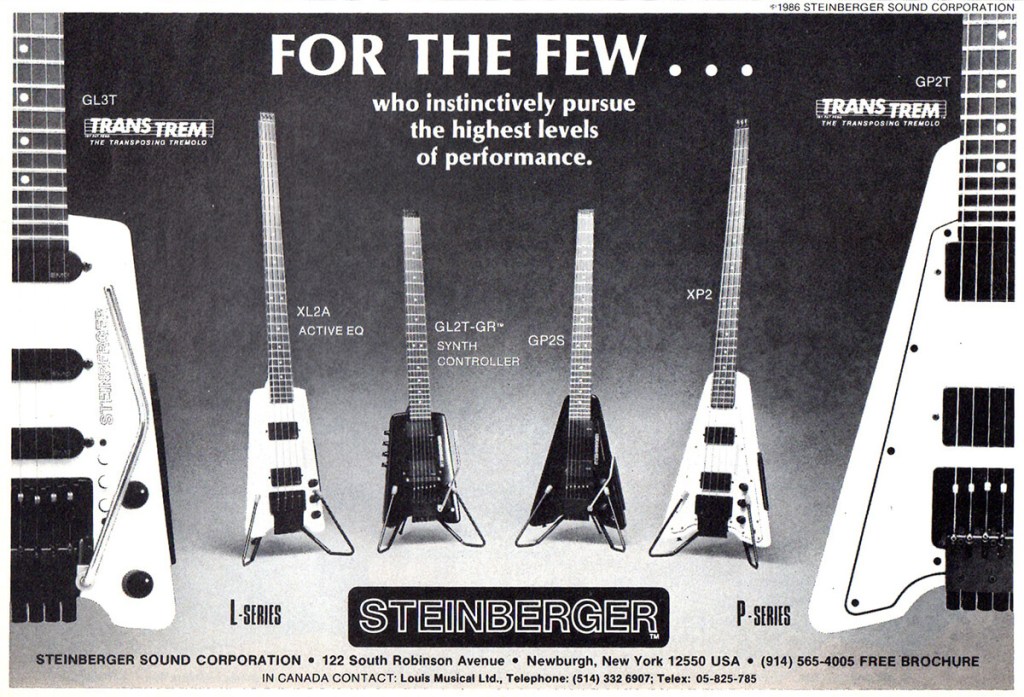
In 1979, the music world experienced a groundbreaking shift when Ned Steinberger introduced the Steinberger L2 bass. A radical departure from traditional bass guitar designs, the L2 became a symbol of innovation, merging cutting-edge materials with sleek aesthetics. Building on the success of the L2, Steinberger later introduced the GL2 guitar, bringing the same pioneering spirit to guitar design. This article explores the origins and unique features of these instruments and their lasting impact on the music industry.
The Vision Behind the Steinberger Instruments
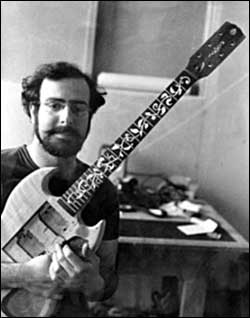
Ned Steinberger, originally a furniture designer, brought a fresh perspective to musical instruments. With no preconceived notions about conventional designs, he sought to solve practical problems musicians faced, such as weight, tuning stability, and ergonomics. His collaboration with Stuart Spector, renowned for his bass guitars, helped Steinberger understand the intricacies of instrument construction. This partnership led to the independent development of the L2 bass and, subsequently, the GL2 guitar.
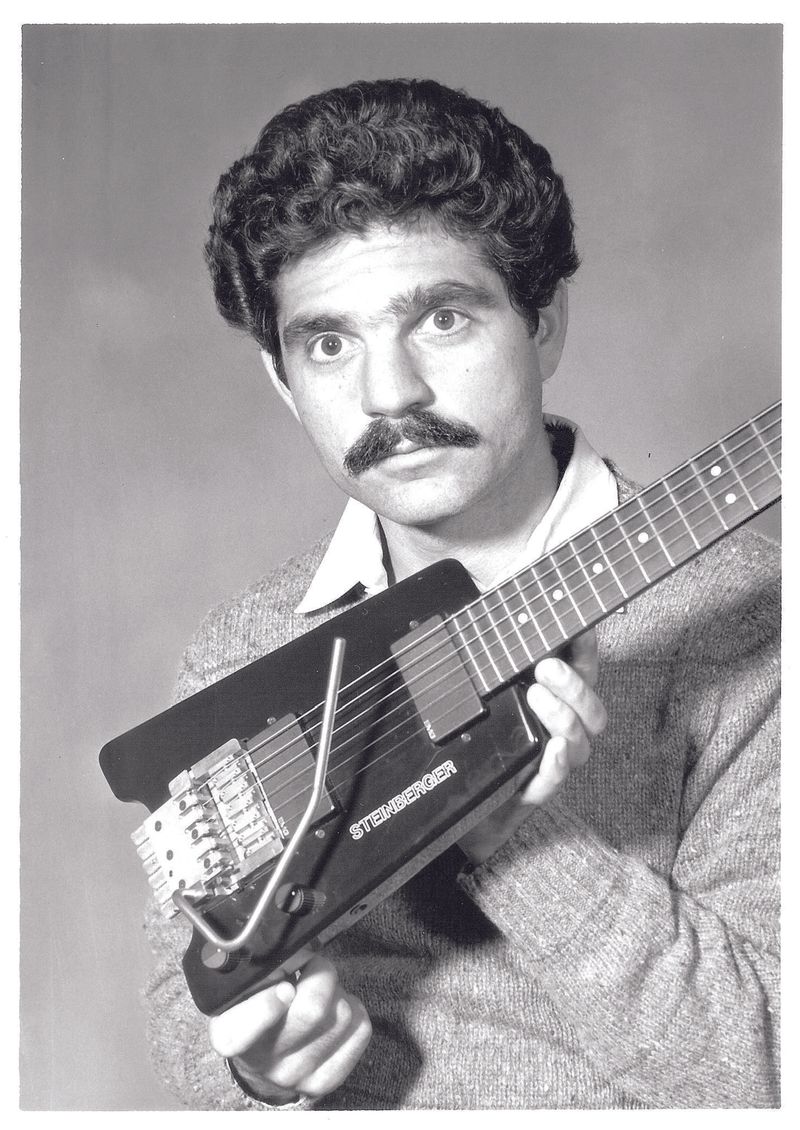
Both instruments reflected Steinberger’s focus on innovation over tradition, introducing features that redefined what a modern instrument could be.
Revolutionary Features of the Steinberger L2 Bass
The L2 bass’s standout features included:
- Headless Design: By removing the headstock, Steinberger reduced weight and improved balance. The tuning mechanisms, placed at the bridge, offered precise adjustments.
- Carbon Fiber Construction: The L2’s carbon fiber and graphite construction provided unmatched durability, resistance to environmental changes, and tonal consistency.
- Direct-Drive Tuning System: The unique tuning system allowed for effortless and accurate tuning.
- Compact Body: The minimalist rectangular body made the L2 lightweight and portable, while its ergonomic design was perfect for long performances.
- Active Electronics: The bass offered a wide tonal range, from crisp highs to deep, thunderous lows.

The GL2 Guitar: Extending Innovation to Six Strings
Following the success of the L2 bass, Steinberger applied his groundbreaking concepts to the guitar, resulting in the GL2. Introduced in the early 1980s, the GL2 became an instant icon among forward-thinking guitarists.
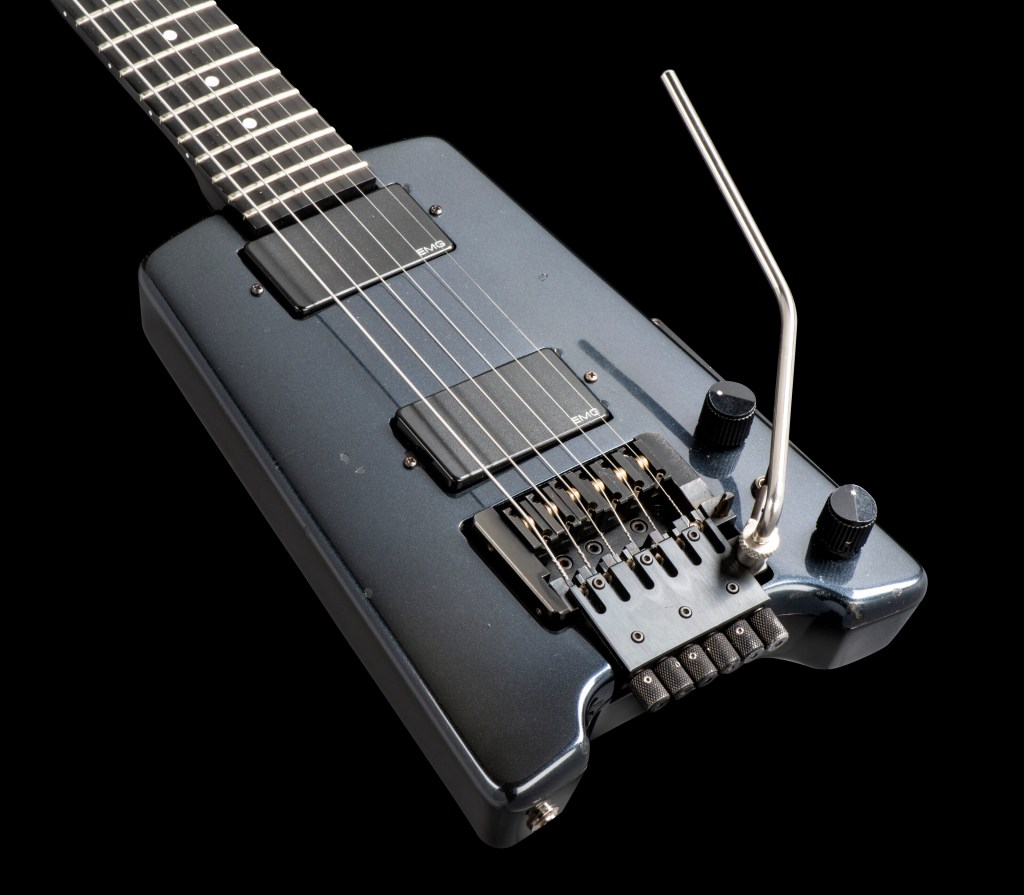
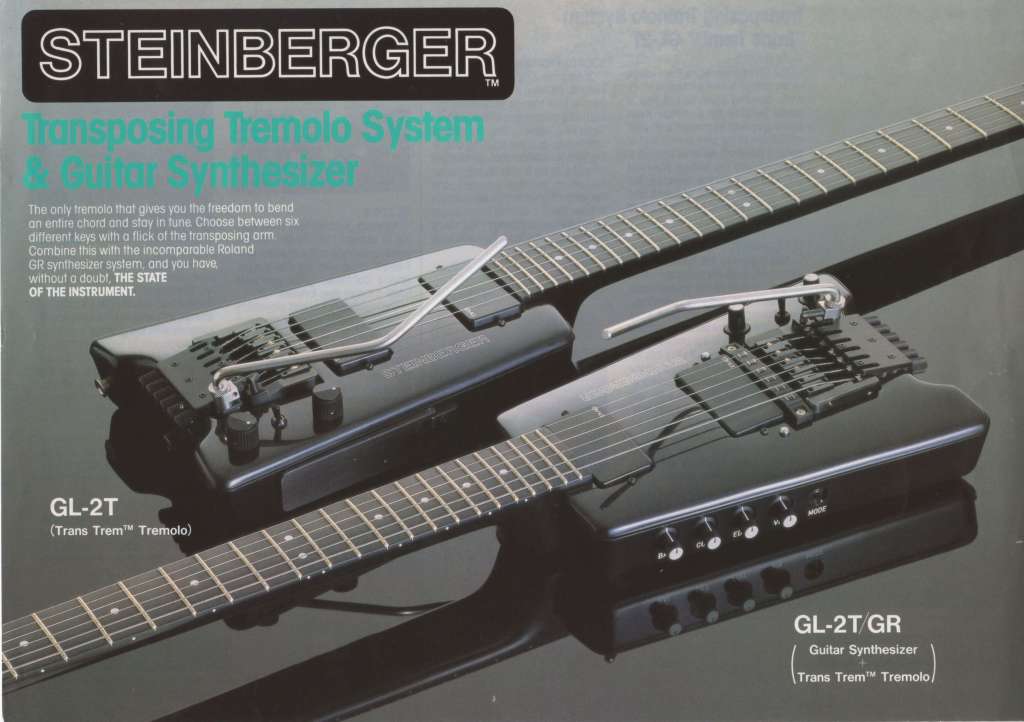
- Headless Design and Body: Like the L2 bass, the GL2 featured a headless design, eliminating tuning instability caused by string tension. Its compact rectangular body mirrored the minimalist approach of the L2.
- Carbon Fiber Construction: The GL2 shared the same composite materials as the L2, providing exceptional durability and tonal clarity.
- Transtrem Bridge System: One of the GL2’s most innovative features was the Transtrem, a tremolo system that allowed players to change tunings mid-performance without affecting intonation. This opened up a world of creative possibilities.
- Active Electronics: The GL2’s electronics provided a vast tonal palette, suitable for various styles, from jazz to rock and experimental music.
Impact on the Music Industry
Both the L2 bass and the GL2 guitar captured the imagination of musicians worldwide. The L2 found favor with bass legends like Tony Levin (King Crimson), Geddy Lee (Rush), and Tina Weymouth (Talking Heads). The GL2, meanwhile, was embraced by innovative guitarists such as Eddie Van Halen, David Bowie’s guitarist Earl Slick, and Allan Holdsworth, who appreciated its futuristic design and tonal capabilities.

The instruments’ distinctive looks also became cultural symbols of the 1980s, representing the era’s penchant for bold experimentation. Beyond their aesthetics, their practical advantages inspired countless modern instrument designs, influencing both boutique manufacturers and mass-market brands.
Legacy and Evolution
The success of the L2 and GL2 models led to an expansion of Steinberger’s product line, including additional guitar and bass models. Steinberger Instruments was eventually acquired by Gibson in the late 1980s, but the original designs remain highly sought-after by collectors and musicians.
The headless design and carbon fiber construction pioneered by Steinberger have inspired numerous manufacturers, proving that Ned Steinberger’s vision was decades ahead of its time. Today, both the L2 and GL2 stand as timeless examples of innovation in music technology.
Conclusion
Ned Steinberger’s L2 bass and GL2 guitar reshaped the music world by combining innovation, practicality, and cutting-edge materials. These instruments set new standards for performance, sound quality, and design, leaving an indelible mark on the music industry. Whether admired for their futuristic aesthetics, groundbreaking features, or enduring legacy, the L2 and GL2 remain iconic symbols of musical innovation.
 oscaronguitars.com
Leave a comment