

1. Understanding Guitar Finishes: What Are They and Why Do They Matter?
A guitar’s finish is the protective coating applied to its body, neck, and sometimes the headstock. It serves several purposes: protecting the wood from moisture and wear, enhancing the guitar’s appearance, and even influencing its tone.
Why Guitar Finishes Matter:
- Protection: The finish acts as a barrier against environmental factors like humidity and temperature changes, which can cause the wood to expand, contract, or warp over time.
- Aesthetics: The finish contributes significantly to the guitar’s visual appeal, highlighting the wood grain or adding color and depth.
- Tone Impact: The thickness and type of finish can affect how the guitar resonates, with some finishes allowing the wood to vibrate more freely than others.
2. Types of Guitar Finishes
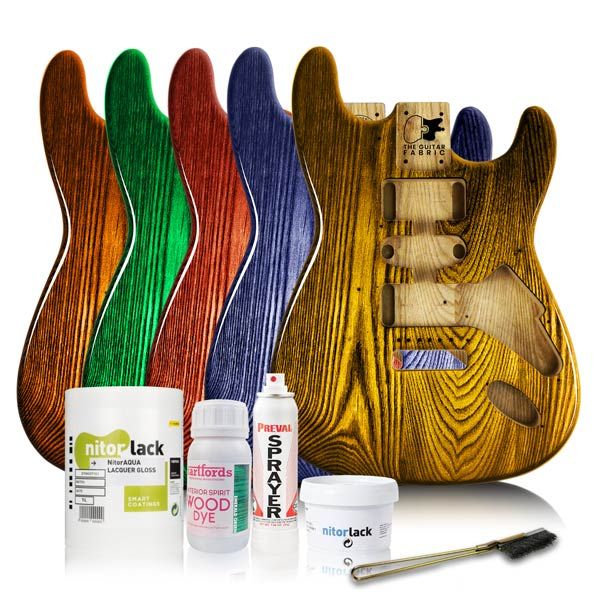
There are several types of guitar finishes, each with its own characteristics, pros, and cons. Understanding these will help you make an informed choice based on both aesthetic preferences and practical needs.
Nitrocellulose Lacquer
Overview:
- Nitrocellulose lacquer, often referred to simply as “nitro,” is one of the oldest and most traditional guitar finishes. It was widely used in the mid-20th century, especially by brands like Gibson and Fender.
Pros:
- Thin and Lightweight: Nitro finishes are thin, allowing the wood to resonate freely, which can enhance the guitar’s tone.
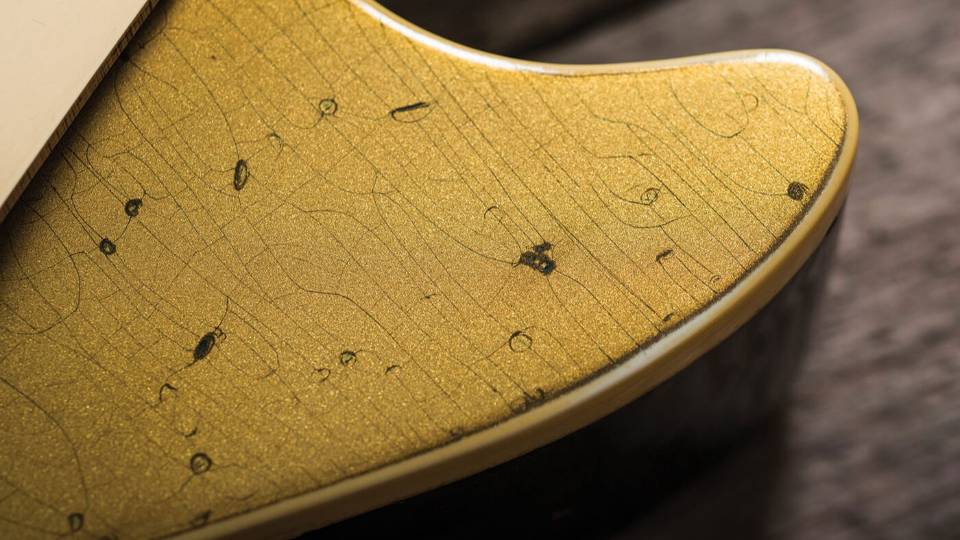
- Vintage Appeal: Nitro tends to age beautifully, developing a natural patina or “relic” look over time, which is highly prized by many players.
- Breathability: Nitro allows the wood to breathe, which some believe contributes to the guitar’s tonal qualities improving with age.
Cons:
- Fragile: Nitro finishes are more prone to scratches, dings, and wear compared to other finishes.
- Environmental Sensitivity: Nitro can be affected by temperature and humidity changes, leading to potential finish cracking or checking.
Polyurethane (Poly) and Polyester
Overview:
- Polyurethane and polyester finishes, often referred to as “poly” finishes, are more modern alternatives to nitro. They are commonly used on mass-produced guitars due to their durability and ease of application.
Pros:
- Durable: Poly finishes are thicker and more resistant to scratches, dings, and general wear and tear.
- Glossy and Smooth: Poly finishes provide a high-gloss, mirror-like finish that looks sleek and modern.
- Low Maintenance: Poly finishes are easier to maintain and keep looking new, as they are less prone to aging and environmental damage.
Cons:
- Thicker Coating: The thicker application can sometimes inhibit the wood’s natural resonance, potentially impacting the guitar’s tone.
- Aging: Poly finishes don’t age as gracefully as nitro; they tend to stay shiny and new-looking, which might not appeal to those who prefer a vintage look.

Satin and Matte Finishes
Overview:
- Satin and matte finishes have a lower sheen compared to gloss finishes, offering a more understated and natural look.
Pros:
- Smooth Feel: Satin finishes often provide a smoother feel on the neck, which can enhance playability.
- Less Fingerprint-Prone: These finishes are less likely to show fingerprints, smudges, or minor scratches.
- Natural Look: Satin and matte finishes highlight the wood’s natural grain without the high-gloss shine, appealing to those who prefer a more organic appearance.
Cons:
- Less Protective: Satin and matte finishes can be less protective than poly or nitro, making them more susceptible to wear over time.
- No Aging Patina: Unlike nitro, satin finishes don’t develop a patina with age, so they may not appeal to players who like a guitar to show its years of use.
3. How Finish Affects Tone
The type of finish on a guitar can subtly influence its tone, particularly in acoustic guitars where the resonance of the wood plays a significant role in sound production.
Nitro vs. Poly:
- Nitro: Because nitro finishes are thinner, they allow the wood to vibrate more freely. This can result in a more resonant and lively tone, with richer overtones and sustain. Nitro finishes are often favored by players who prioritize tone over durability.
- Poly: Poly finishes, being thicker, can dampen the wood’s natural resonance to some extent. While the difference may be subtle, especially in electric guitars, some players feel that poly finishes produce a slightly less vibrant tone.
Satin vs. Gloss:
- Satin: Satin finishes are generally thinner and can allow for better resonance compared to thick gloss finishes. This makes them a good option for players who want a balance between tone and durability.
- Gloss: While glossy finishes are beautiful, they can sometimes slightly inhibit resonance, particularly in acoustics. However, the difference is often minimal and can be offset by the guitar’s overall construction and wood quality.
4. Choosing the Right Finish for Your Style and Needs
When choosing a guitar finish, it’s important to balance aesthetics with practical considerations like durability, maintenance, and tone.
Consider Your Playing Environment:
- If you frequently play in varying environments or travel with your guitar, a durable poly finish might be the best choice to protect against wear and tear.
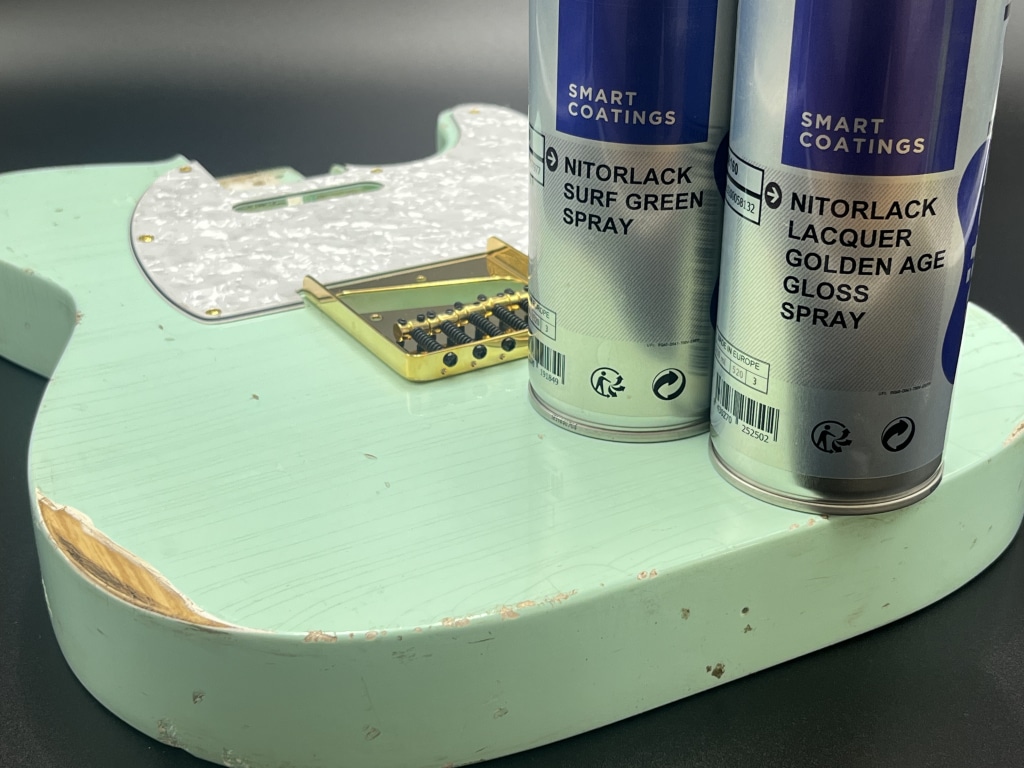
- If you primarily play at home or in controlled settings, and you love the idea of a guitar that ages beautifully, a nitro finish might be more appealing.
Match Your Aesthetic Preferences:
- Vintage Lovers: If you love the look of vintage guitars with their aged, relic’d finishes, nitrocellulose lacquer is the way to go.
- Modern and Sleek: For a guitar with a modern, high-gloss finish that stays looking new for years, consider a poly finish.
- Natural and Understated: If you prefer a more natural, organic look, satin or matte finishes provide a subdued yet elegant appearance.
Think About Maintenance:
- If you want a guitar that’s easy to maintain and resistant to everyday wear, a poly finish is a practical choice.
- For players who enjoy the process of caring for their guitar and don’t mind a bit of wear and tear, nitro or satin finishes offer a more hands-on experience.
5. Conclusion: Finding the Perfect Finish for Your Guitar
Choosing the right guitar finish is about more than just looks—it’s about finding the right balance between aesthetics, tone, durability, and how the guitar will age with you over time. Whether you’re drawn to the vintage appeal of nitrocellulose lacquer, the durability of polyurethane, or the natural feel of a satin finish, understanding the pros and cons of each option will help you make the best choice for your style and needs.
 oscaronguitars.com
Leave a comment