
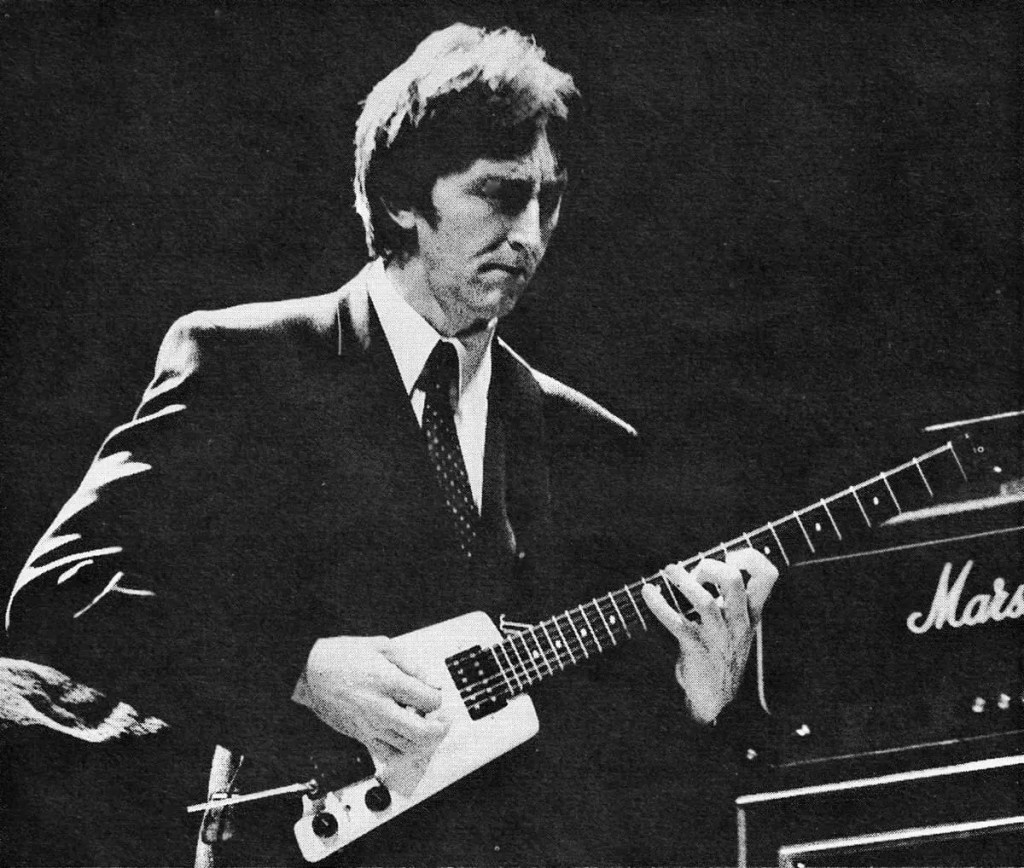
The 1980s marked the rise of headless guitars, spearheaded by Steinberger’s revolutionary designs. Inspired by this innovation, other brands ventured into headless territory, creating instruments that pushed boundaries in sound, ergonomics, and aesthetics. Let’s explore the most important early brands that followed in Steinberger’s footsteps and their lasting impact on guitar design.
Most Important Brands of the 1980s Headless Revolution
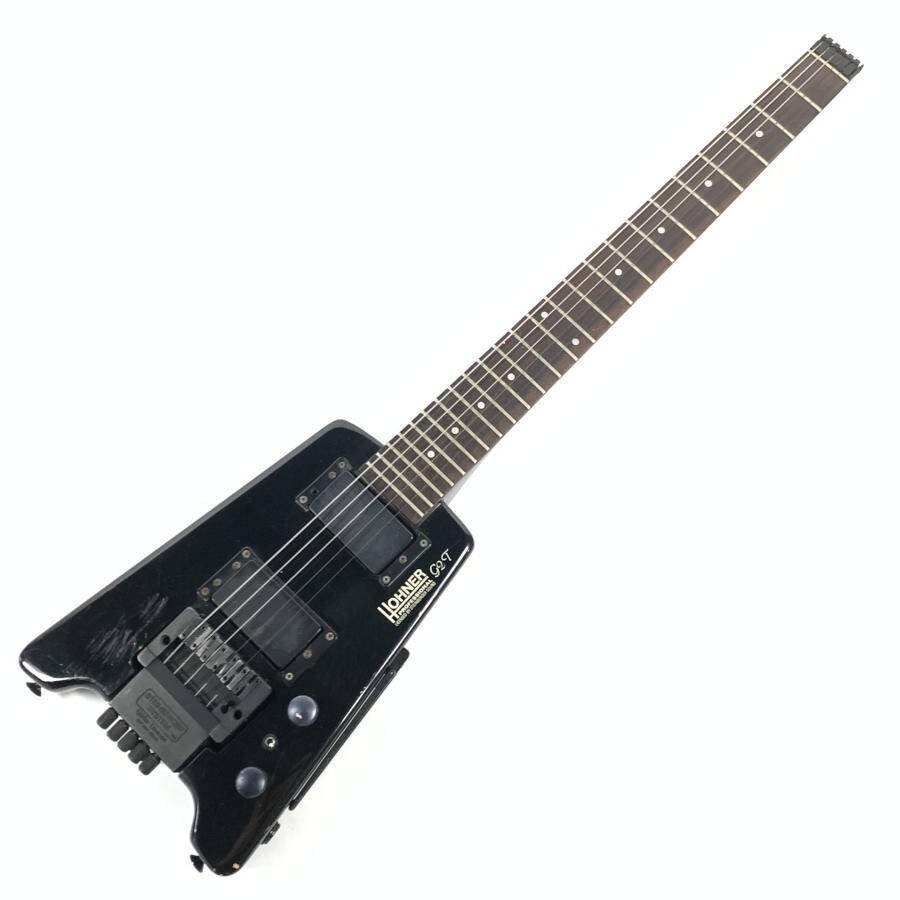
Hohner
Hohner, a German company primarily known for harmonicas, quickly recognized the potential of headless instruments. Their partnership with Steinberger allowed them to produce licensed copies of Steinberger’s original designs at a more affordable price. The Hohner G3T, with its distinctive headless design and TransTrem-inspired bridge, became a popular choice for players seeking Steinberger innovation on a budget.
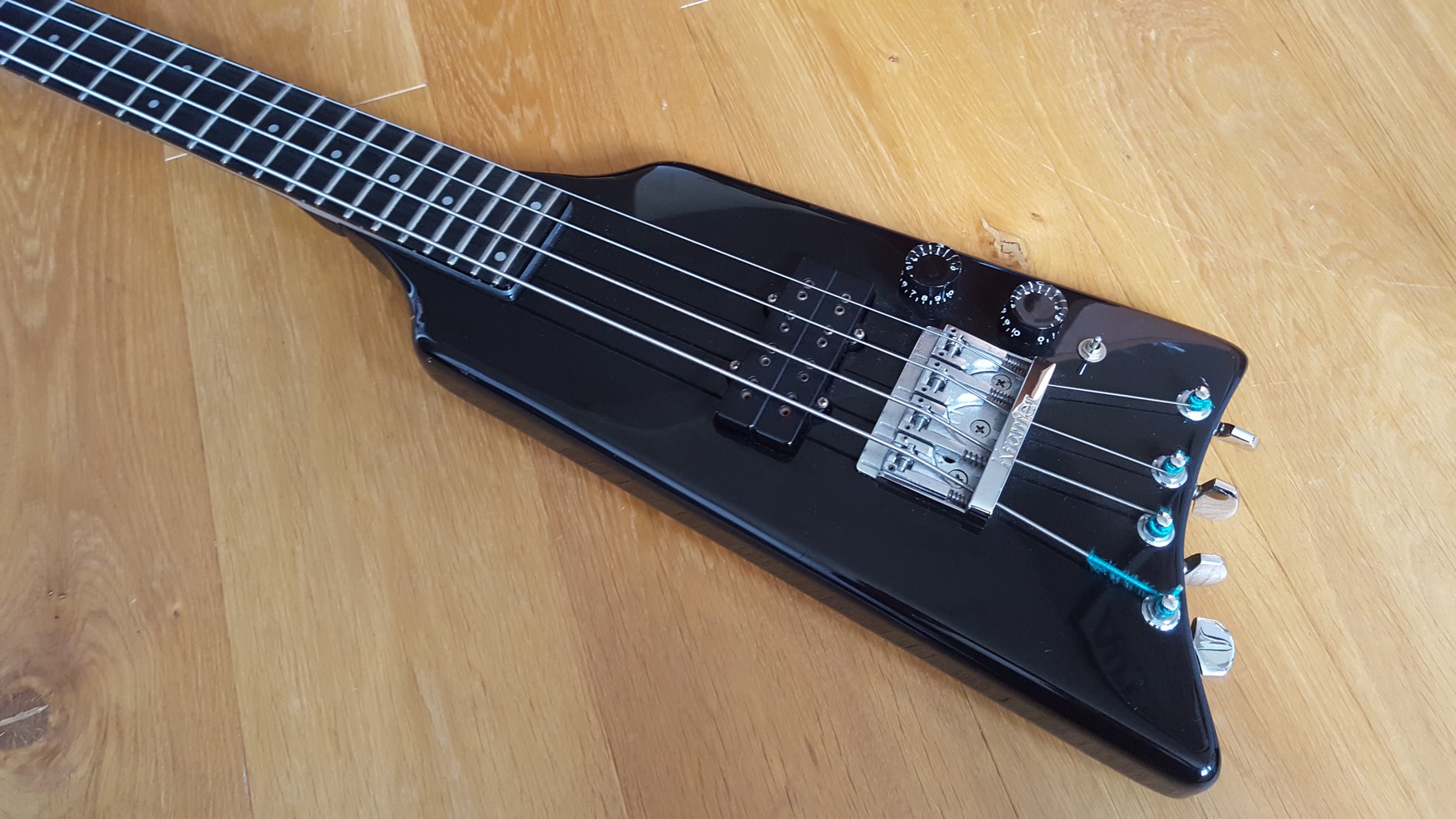
Kramer
Kramer Guitars entered the headless market with the Duke bass and its companion guitar, the Kramer XL series. These instruments featured aluminum necks and minimalist bodies, combining futuristic aesthetics with unique tonal characteristics. While Kramer’s designs didn’t achieve the same fame as Steinberger, they contributed to the growing diversity of headless instruments in the market.
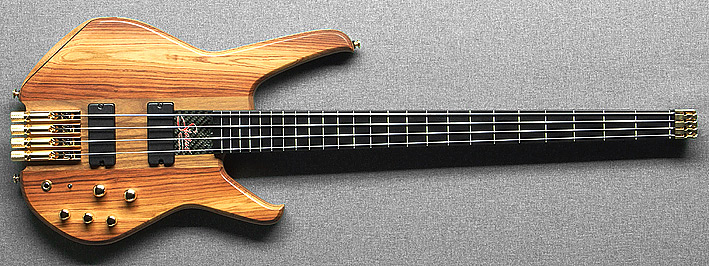
Status Graphite
Known for their high-quality basses, Status Graphite embraced the headless concept with their innovative use of carbon fiber materials. Status instruments, like the Series 2000 bass, offered exceptional sustain and tonal clarity, rivaling Steinberger’s iconic L2. They became a favorite among progressive rock and jazz bassists.
Washburn
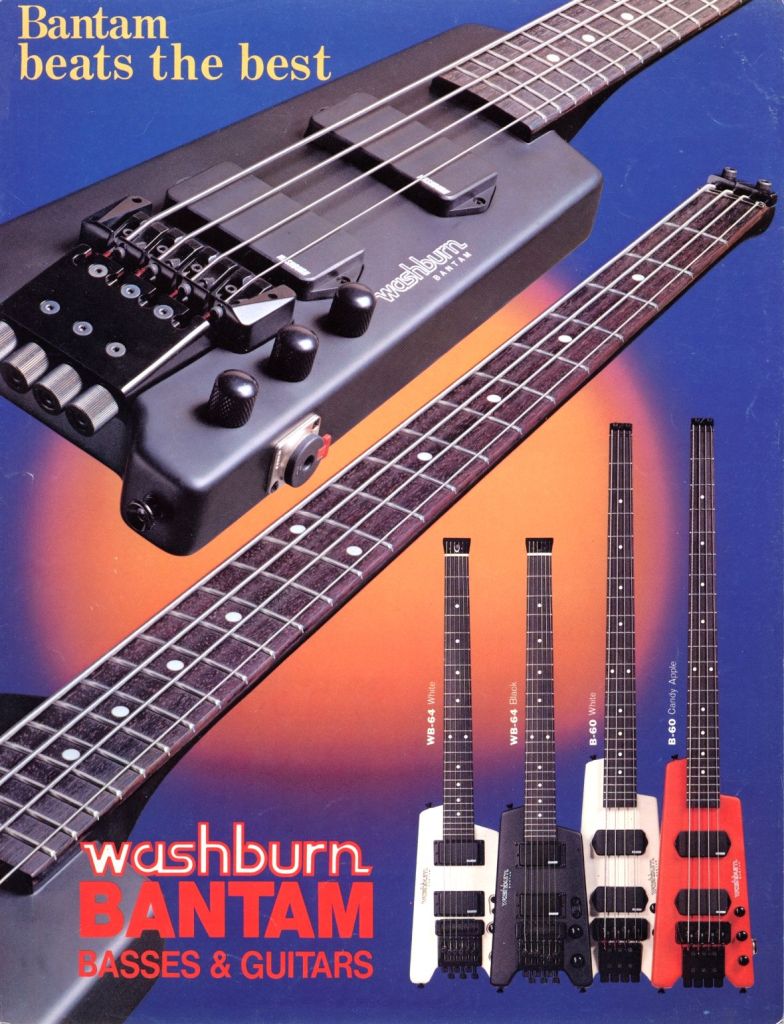
Washburn briefly explored headless designs with their Bantam series of guitars and basses. While less prominent than other brands, these instruments offered lightweight construction and unique tonal versatility, appealing to budget-conscious musicians.
Aria
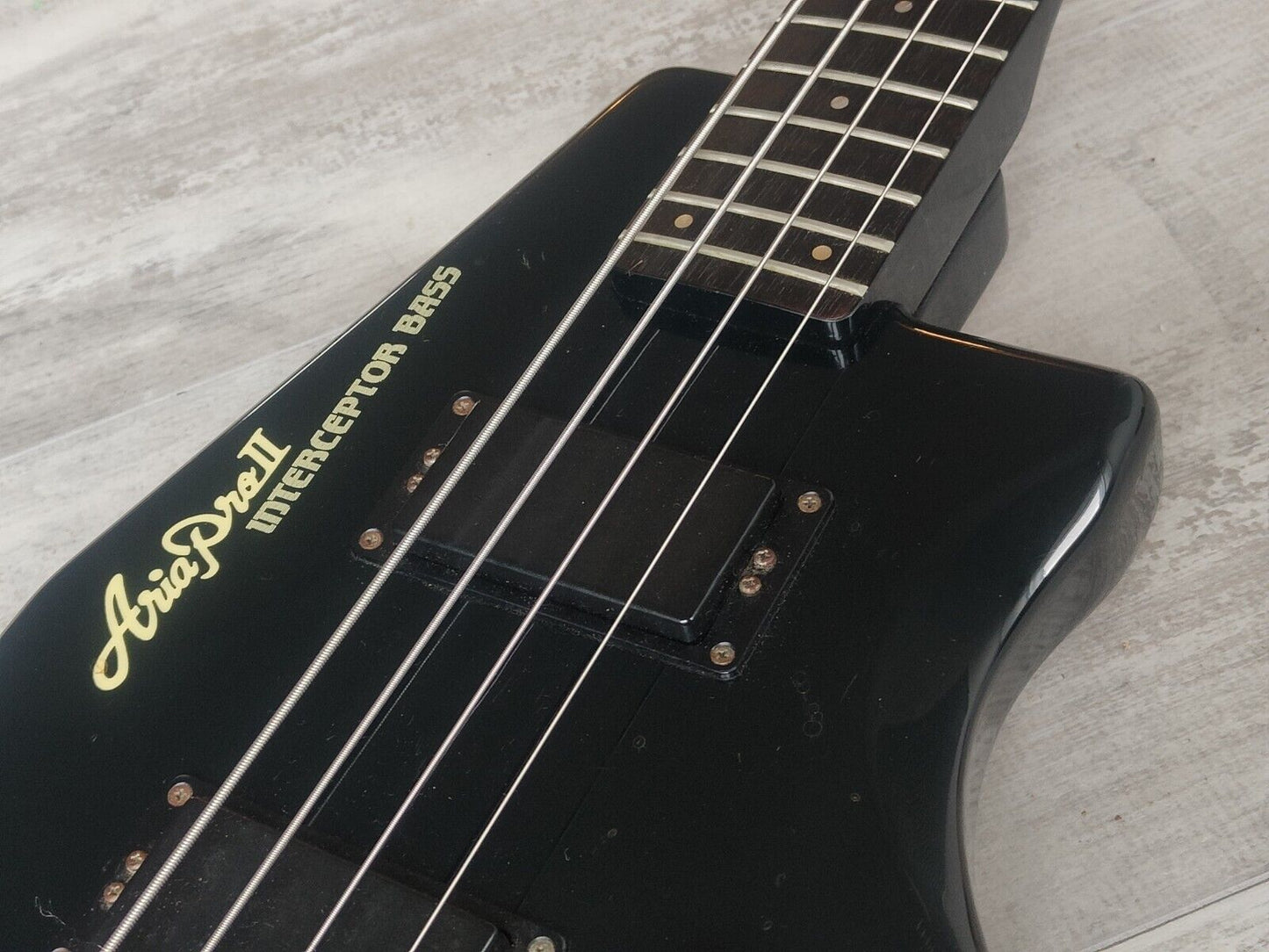
Aria, a Japanese company, introduced the Aria Pro II Urchin series. These guitars were known for their futuristic, angular shapes and headless designs, reflecting the bold aesthetics of the 1980s. While not as influential as Steinberger, Aria’s instruments added variety to the headless guitar market.
The Importance of 1980s Headless Brands
The emergence of multiple brands in the headless guitar space during the 1980s showcased a willingness to break away from traditional guitar norms. By offering alternatives to Steinberger, these brands made headless instruments accessible to a broader audience. This period also marked an era of technological experimentation, with companies exploring materials like carbon fiber, aluminum, and advanced electronics.
Beyond their practicality, headless guitars embodied the spirit of the 1980s: bold, experimental, and futuristic. They appealed to players in genres like rock, fusion, and avant-garde music, providing tools for unique sonic exploration.
The Legacy of 1980s Headless Guitars
While headless guitars became less mainstream in the 1990s, their influence endured. The ergonomic designs and use of alternative materials pioneered during the 1980s laid the groundwork for contemporary headless models. Brands like Strandberg and Kiesel have built on this legacy, creating modern headless guitars that cater to today’s players.
Vintage headless models from the 1980s remain highly collectible, valued for their historical significance and unique tonal properties. The enduring appeal of headless guitars speaks to the foresight of Steinberger and the companies that followed its lead.
Conclusion
The 1980s headless guitar revolution, sparked by Steinberger, inspired a wave of innovation across the industry. Brands like Hohner, Kramer, Status Graphite, and others expanded the concept, offering players new possibilities in sound, design, and performance. These instruments continue to influence modern guitar technology, proving that the headless concept remains a vital chapter in guitar history.
 oscaronguitars.com
Leave a comment