
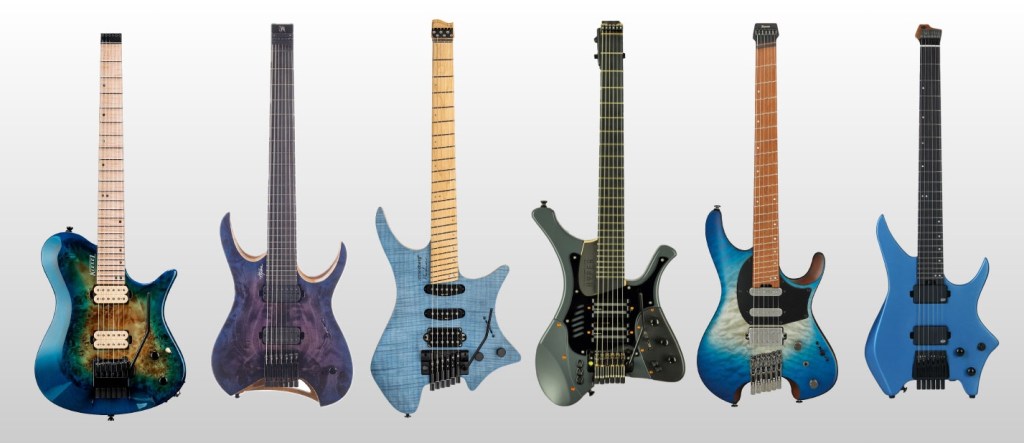
Once considered a niche experiment of the 1980s, headless guitars have undergone a renaissance in recent years. Driven by advancements in technology, evolving player needs, and a modern aesthetic, these instruments have reemerged as a popular choice for guitarists worldwide. Let’s explore what sparked this revival, the key players leading the charge, and why headless guitars are now more relevant than ever.
Why Headless Guitars Are Back
The renewed interest in headless guitars can be attributed to several factors:
- Ergonomics: Modern headless designs focus on lightweight construction and balanced shapes, reducing strain during long practice sessions or gigs.
- Technological Advancements: Improved materials, such as aerospace-grade aluminum and carbon fiber, have made headless guitars lighter, stronger, and more resonant.
- Versatility: Contemporary designs often include multi-scale fretboards, advanced electronics, and modular hardware, catering to diverse playing styles.
- Portability: Without a headstock, these guitars are compact and easy to transport, making them ideal for traveling musicians.
- Aesthetic Appeal: The futuristic, minimalist look of headless guitars resonates with modern players who want to stand out.
The Brands Driving the Renaissance
Strandberg
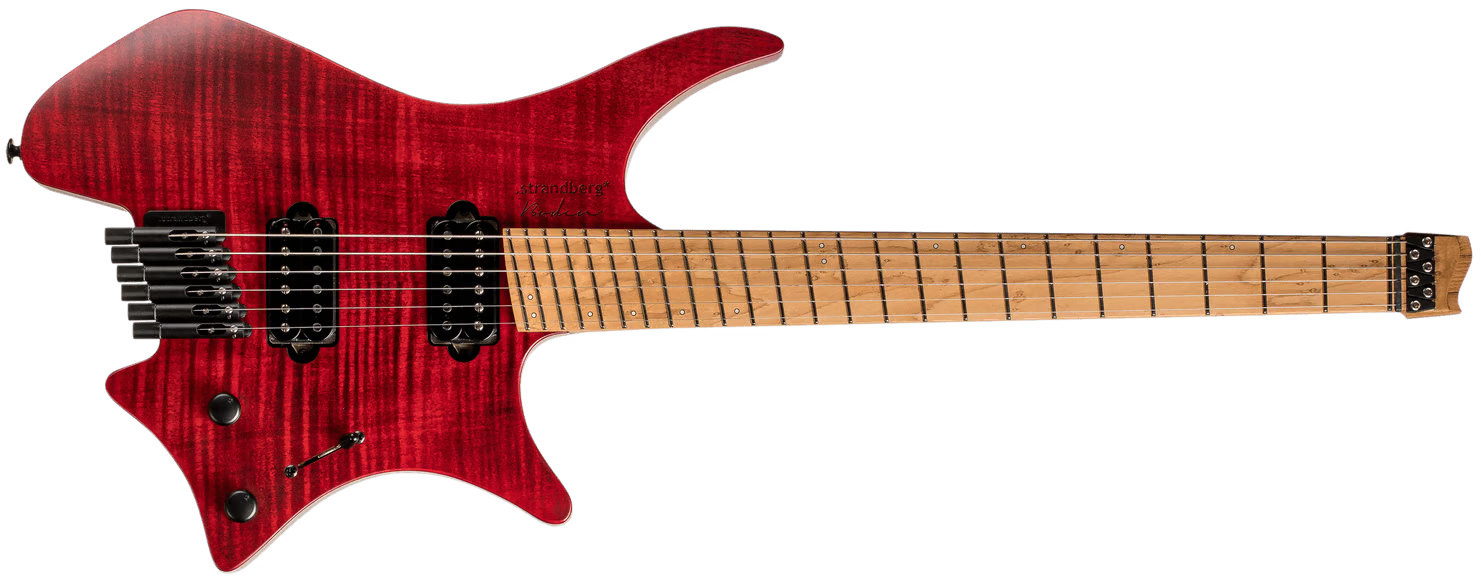
Swedish company Strandberg Guitars is at the forefront of the headless resurgence. Their Boden series introduced innovative features like the EndurNeck™ profile, designed for optimal wrist positioning. Strandberg’s focus on lightweight, ergonomic designs and multi-scale fretboards has made them a favorite among progressive and technical players.
Kiesel Guitars
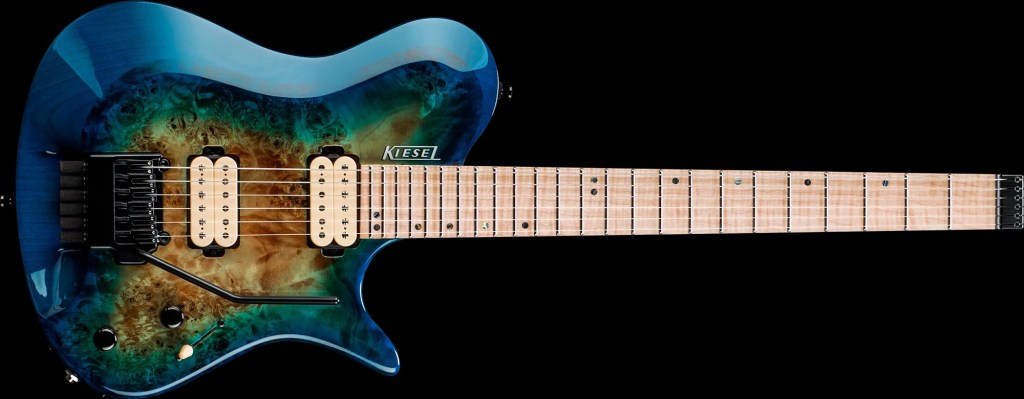
Kiesel has embraced headless designs with their Vader and Aries models. Known for their custom shop options, Kiesel allows players to tailor their headless guitars with various finishes, woods, and pickup configurations. Their high-quality craftsmanship has garnered a loyal following.
Ibanez
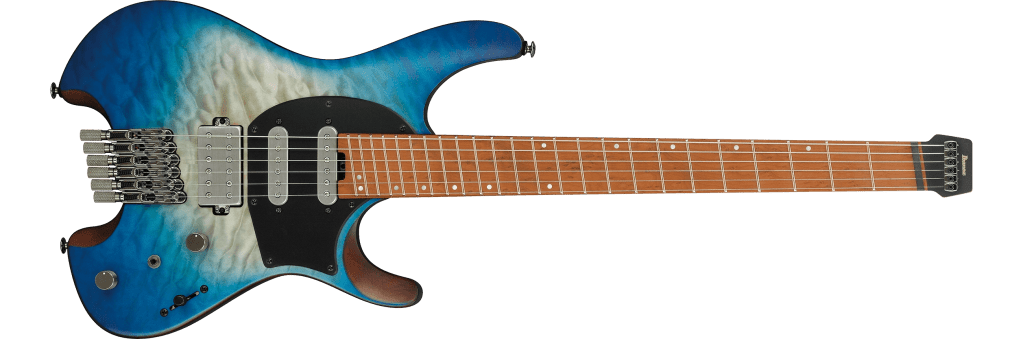
Ibanez entered the headless market with their Q (Quest) series, blending affordability with innovation. These guitars offer features like ergonomic body shapes and versatile pickups, appealing to a broad range of players.
Solar Guitars
Founded by YouTuber and metal guitarist Ola Englund, Solar Guitars offers aggressive, modern headless designs. Their guitars are tailored for metal players, with fast necks, high-output pickups, and striking aesthetics.
Mayones
Polish company Mayones has introduced headless models like the Hydra, combining boutique craftsmanship with stunning aesthetics and impeccable tonal quality. These guitars are highly sought after by professional musicians.

Why Players Are Embracing Headless Guitars
The renaissance of headless guitars isn’t just about the instruments themselves—it’s about how they address the needs of modern players.
- Comfort: Ergonomic designs make headless guitars an excellent choice for extended practice or live performances.
- Playability: Features like multi-scale fretboards and custom neck profiles provide greater precision and ease of play.
- Innovation: Headless guitars often incorporate cutting-edge technology, such as piezo pickups, locking tuners, and MIDI compatibility, enabling players to explore new sonic possibilities.
- Adaptability: The modular nature of headless hardware allows for quick string changes and easy maintenance, adding to their practicality.
The Legacy of the 1980s and Its Influence
The headless guitars of the 1980s laid the foundation for today’s resurgence. Pioneers like Ned Steinberger showed the world that innovation could redefine what a guitar could be. While the popularity of headless instruments waned in the 1990s, their ergonomic and technological advancements remained influential. Today’s designs build on these ideas, blending them with modern innovations to create instruments that are both timeless and futuristic.
The Future of Headless Guitars
With their current momentum, headless guitars are no longer a novelty but a staple in the guitar world. Their appeal spans genres—from progressive metal to jazz and pop—and their practicality makes them ideal for both professionals and hobbyists. As technology continues to evolve, headless designs are likely to incorporate even more groundbreaking features, ensuring they remain at the cutting edge of guitar innovation.
Conclusion
The renaissance of headless guitars reflects a broader trend in the guitar world: a shift toward innovation, comfort, and personalization. From the ergonomic brilliance of Strandberg to the customizable excellence of Kiesel, headless guitars are redefining what modern instruments can offer. Far from a passing trend, they are a testament to how timeless concepts can evolve to meet the needs of contemporary players.
 oscaronguitars.com
Leave a comment