
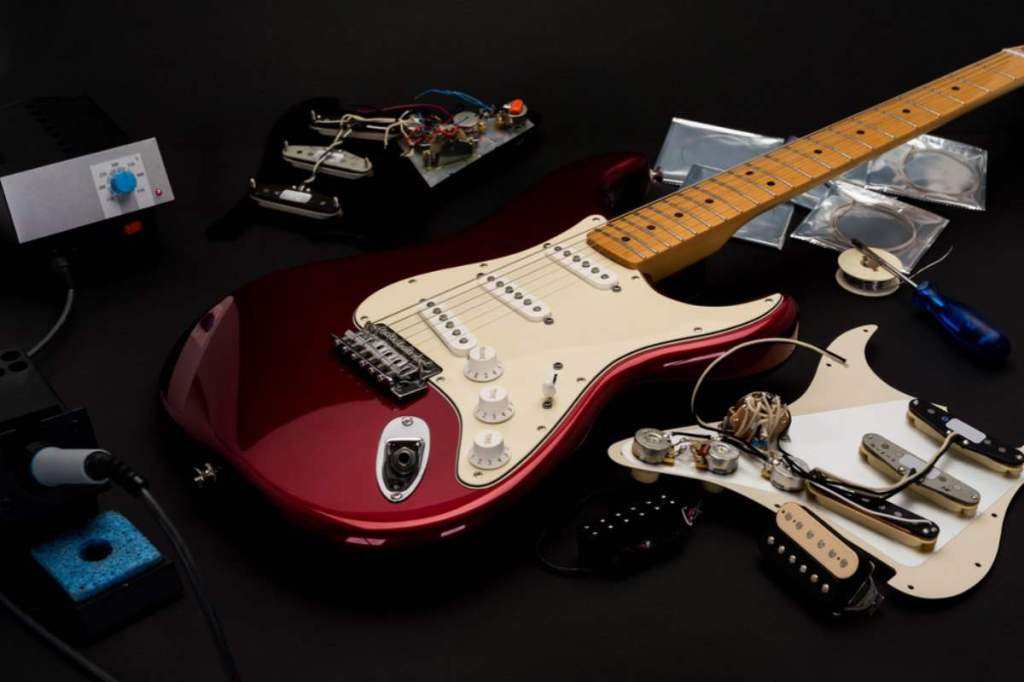
Thinking about upgrading your guitar? Whether you’re chasing better tone, smoother playability, or simply trying to squeeze more personality out of your favorite axe, smart upgrades can breathe new life into almost any instrument.
From swapping pickups to fine-tuning hardware, these mods aren’t just about tweaking specs—they’re about building a deeper connection with your guitar. But before you start filling your cart with parts, it’s worth understanding which upgrades offer the biggest bang for your buck, which ones require a pro’s touch, and when it makes sense to invest in your current guitar—or start fresh.
This guide breaks it all down: what to upgrade, why it matters, and how to avoid the common pitfalls. Let’s dig in.
1. Choosing the Right Guitar for Mods: Start with a Solid Platform
Before you drop serious cash on upgrades, ask yourself: Is this guitar worth it?
It’s easy to fall into the trap of throwing $600 in upgrades at a $500 guitar. Add in professional labor, and suddenly you’ve spent $1,150—a price point where you can buy an amazing guitar straight off the shelf, already loaded with quality hardware, rock-solid construction, and name-brand pickups like Seymour Duncan or DiMarzio.
That doesn’t mean upgrading a cheaper guitar is a bad idea—but it should be a conscious one. If the guitar has a special value to you—maybe it was a gift, has sentimental meaning, or it’s just a perfect fit in your hands—then investing in quality upgrades can absolutely be worth it. A good platform with solid bones can be turned into a stage-ready beast with the right components.
But if the guitar is just “okay,” and you’re not in love with it, you might want to hold off and save that upgrade budget for something better down the road.
Bottom line: Upgrades make the most sense when the guitar is either emotionally valuable, uniquely built, or already a solid instrument worth investing in. If it feels great, sounds decent, and looks like a keeper, then giving it a full hardware and electronics makeover might just turn it into your dream axe.
2. Swapping Tuners: Improving Tuning Stability
Upgrading your guitar’s tuners is one of the easiest and least invasive modifications you can make. It can simplify string changes and (allegedly) improve sustain and tone. Just be sure to measure your guitar carefully without the current tuners and double-check the tuner style before buying replacements.
For PRS SE models, the official locking tuners are a perfect fit—they’re incredibly easy to install and surprisingly affordable. If you own a PRS SE, I highly recommend this upgrade without hesitation.
I also swapped out the unbranded vintage tuners on a Squier Stratocaster 40th Anniversary for Gotoh locking tuners. While the process was a bit trickier than with the PRS, pairing them with a Gotoh tremolo bridge worked wonders. It completely transformed the guitar’s tuning stability, which had been a nightmare before.
If you’re dealing with slipping tuners or frequently use alternate tunings, this upgrade can make a noticeable difference in performance.
Types of Tuners:
- Standard Tuners: Basic tuners that come stock on many guitars. They get the job done but may not hold tuning as well under heavy use or after bends and dives.
- Locking Tuners: These tuners lock the string in place, preventing slippage and improving tuning stability, especially for guitars with tremolo systems.
- Vintage-Style Tuners: These tuners offer a classic look and feel, often with a slightly different gear ratio for smoother tuning adjustments.
What to Consider:
- Tuning Stability: If you’re experiencing frequent tuning issues, locking tuners can be a game-changer. They’re especially useful for players who use tremolo systems or perform heavy string bending.
- Gear Ratio: A higher gear ratio (e.g., 18:1) allows for finer tuning adjustments, making it easier to dial in precise pitches.
- Aesthetic Matching: Choose tuners that match the style and aesthetic of your guitar. For example, vintage-style tuners look great on classic models, while modern locking tuners suit contemporary guitars.
Tip: When upgrading tuners, make sure they’re compatible with your guitar’s headstock. Some tuners require drilling new holes, while others are drop-in replacements.
3. Upgrading the Nut: Improving Playability and Tuning
The nut is a small but critical part of your guitar’s setup. A well-cut nut ensures smooth tuning and comfortable playability, while a poorly cut nut can cause tuning issues and even string breakage.
Materials for Nuts:
- Plastic: Common on entry-level guitars, plastic nuts are inexpensive but tend to wear quickly and may cause tuning instability.
- Bone: Bone nuts are prized for their durability and tonal qualities, offering a brighter, clearer sound compared to plastic.
- Graphite: Graphite nuts provide smooth tuning and reduce friction, making them ideal for guitars with tremolo systems.
- Synthetic Materials: Materials like TUSQ offer a good balance of tone, durability, and affordability, often used as upgrades over plastic.
What to Consider:
- Tuning Stability: If you experience tuning issues, especially with open strings, upgrading to a graphite or bone nut can help.
- Tone: Bone and synthetic nuts can enhance the tone and sustain of open strings, providing a brighter and more resonant sound.
- Slot Size: Make sure the nut slots are cut to match the gauge of your strings. Properly sized slots prevent string binding and ensure smooth tuning.
Tip: Replacing a nut requires precision, so if you’re not confident in your DIY skills, it’s best to have a professional perform the upgrade.
4. Replacing the Bridge: Enhancing Sustain and Stability
The bridge is a critical component that has a big impact on your guitar’s tone, sustain, and overall playability. Whether you’re aiming for better sustain, lower action, or simply a quality upgrade, replacing the bridge can be a worthwhile investment.
That said, this isn’t always a beginner-friendly mod. In some cases, drilling may be required, and even when the specs match, the new bridge might not fit perfectly. If you’re dealing with a floating tremolo system, expect a fair amount of time spent on setup and fine-tuning.
Yes, it’s possible to do it yourself and save some money—but be ready to run into a few snags. Some are easily manageable; others might test your patience.
Types of Bridges:
- Fixed Bridge (Hardtail): A fixed bridge offers excellent tuning stability and sustain, making it a great choice for players who prefer a straightforward setup.
- Tremolo Bridge: Tremolo bridges, like the Floyd Rose or Strat-style tremolos, allow you to bend pitch by pushing or pulling the tremolo arm. These bridges offer more versatility but can be trickier to keep in tune.
- Tune-O-Matic Bridge: Common on many Gibson-style guitars, the Tune-O-Matic bridge offers easy action adjustments and good sustain.
What to Consider:
- Playing Style: If you rarely use a tremolo, a fixed bridge might be a better option for increased sustain and tuning stability. If you love dive bombs and pitch bends, consider upgrading to a high-quality tremolo system.
- Material: Bridges made from higher-quality materials, like steel or brass, can enhance sustain and tone compared to cheaper alloys.
- Intonation Adjustments: Look for bridges that allow easy intonation adjustments, especially if you use alternate tunings or need precise tuning across the neck.
Tip: Replacing a bridge can be a more complex upgrade, so if you’re unsure, consider having a professional guitar tech handle the installation.
5. Upgrading Pickups: Transforming Your Tone
One of the most impactful upgrades you can make to your guitar is swapping out the pickups. Pickups are the heart of your guitar’s tone, capturing the vibrations of the strings and converting them into the sound you hear through your amp.
Types of Pickups:
- Single-Coil Pickups: Known for their bright, crisp tone with plenty of clarity and bite. Single-coils are perfect for genres like blues, country, and rock. However, they can be prone to hum and noise.
- Humbucker Pickups: These pickups have a warmer, fuller sound with more output and less noise. They’re great for rock, metal, and jazz. Humbuckers are typically less bright than single-coils but offer a thicker tone.
- P90 Pickups: P90s offer a middle ground between single-coils and humbuckers, delivering a punchy, raw tone with a bit more bite than humbuckers, but with less hum than traditional single-coils.
What to Consider:
- Genre and Style: Choose pickups that match the style of music you play. If you want more versatility, consider a mix of pickup types, like a humbucker in the bridge and a single-coil in the neck.
- Output Level: Higher-output pickups are great for driving distortion and heavy tones, while lower-output pickups provide more headroom and dynamic range.
- Wiring Options: Some pickups offer additional wiring options, like coil-splitting or phase switching, for even more tonal variety.
Tip: When upgrading pickups, consider also upgrading your guitar’s electronics, like the pots and switches, to ensure you get the best possible sound.
Bonus Tip: Swapping pickups isn’t rocket science, but it’s no walk in the park either. It’s often best to let a pro guitar tech handle the job for you.
6. Switching Out Pots and Switches: Fine-Tuning Your Tone
The pots (potentiometers) and switches in your guitar control the volume, tone, and pickup selection. Upgrading these components can lead to smoother operation, better reliability, and even subtle improvements in tone.
Types of Pots:
- Volume Pots: Control the overall output level of your guitar. Upgrading to high-quality pots can provide smoother volume control and better reliability.
- Tone Pots: Control the treble frequencies, rolling off the highs as you turn down the tone knob. Different pot values (250k vs. 500k) can affect the brightness of your guitar’s tone.
- Push-Pull Pots: These allow for additional wiring options, such as coil-splitting or phase switching, adding versatility to your guitar.
What to Consider:
- Pot Value: Most single-coil pickups use 250k pots, while humbuckers typically use 500k pots. The value affects the brightness of the tone, with higher values retaining more treble.
- Switch Quality: If your pickup selector switch is noisy or unreliable, upgrading to a high-quality switch can provide smoother operation and better durability.
- Wiring Options: Consider adding push-pull pots to expand your tonal options without altering the appearance of your guitar.
Tip: When upgrading pots and switches, use high-quality wiring and soldering techniques to ensure a reliable and noise-free connection.
7. Replacing Hardware: Enhancing Durability and Aesthetics
Upgrading your guitar’s hardware, such as strap buttons, knobs, and jack plates, can improve both the durability and the look of your instrument. While these upgrades are more about aesthetics and reliability than tone, they’re still worth considering.
Common Hardware Upgrades:
- Strap Locks: Replacing standard strap buttons with locking versions ensures your guitar stays securely attached to the strap, preventing accidents.
- Knobs: Upgrading to metal or custom knobs can give your guitar a unique look and feel, and can improve the durability over cheap plastic knobs.
- Jack Plates: A sturdy jack plate can prevent the input jack from coming loose or breaking, especially if you’re gigging regularly.
What to Consider:
- Aesthetic Matching: Choose hardware that complements the overall look of your guitar. This is your chance to add a personal touch, whether it’s vintage-style hardware or modern, sleek components.
- Durability: Look for hardware made from high-quality materials, like stainless steel or brass, for improved durability and reliability.
Tip: Hardware upgrades are usually straightforward and can often be done at home with basic tools, making them a great way to personalize your guitar.
8. DIY vs. Professional Tech: Weighing the Pros and Cons
There’s something deeply satisfying about upgrading your guitar yourself. It’s hands-on, personal, and gives you a closer connection to your instrument. Swapping pickups, tuners, or a bridge can feel like you’re giving your guitar a new soul—and if you’re the curious, gear-loving type, it’s a great way to learn.
But let’s be real: it can also get messy. You might run into stripped screws, soldering issues, imperfect fits, or worse—accidentally damaging something important. It’s kind of like doing your own oil change. Sounds simple enough, and it is… until you’re covered in grease and wondering where that mystery bolt came from. That’s when the garage starts sounding like a better idea.
When you take your guitar to a professional tech, you’re not just paying for labor—you’re paying for peace of mind, experience, and expertise. A seasoned tech knows how to handle tricky installs, floating tremolo setups, grounding issues, and all the unexpected surprises that can pop up along the way. They’ll catch potential problems you might not even notice, ensuring the job is done right the first time.
Pro Tip: If you’re planning a big makeover (new pickups, tuners, bridge, electronics—the whole enchilada), it’s often more cost-effective to bundle everything into a single service session. You’ll usually get a better deal than paying for each job separately.
Want to save a little cash? One smart move is to buy the parts yourself and just pay the tech for installation. That way, you can avoid the markup some shops add to components—but make sure you’re buying the correct parts. Nothing’s worse than showing up with a fancy bridge that doesn’t even come close to fitting your guitar.
Conclusion: Customizing Your Guitar Is About More Than Just Gear
Upgrading your guitar isn’t just about chasing better tone or fixing quirks—it’s about shaping an instrument that feels more personal, more inspiring, and more “you.” From improving tuning stability with new tuners to unlocking new tonal possibilities with upgraded pickups and electronics, each mod can enhance your connection to the instrument in a meaningful way.
But it’s also a process that requires some thought. Not every upgrade is worth it on every guitar. Sometimes, the smartest move is saving that budget for a better platform. Other times, an instrument’s sentimental value or unique feel makes the investment completely worthwhile.
Whether you’re a confident DIYer or prefer to trust a seasoned tech, the key is to approach upgrades with intention. Know your goals, choose quality components, and take your time. In the end, a few thoughtful modifications can turn a good guitar into your go-to instrument—reliable, expressive, and perfectly tailored to your needs.
So plan it right, enjoy the process, and don’t be afraid to get your hands dirty… or hand it off when it’s smarter to do so. Either way, the journey of upgrading your guitar is just another part of making music your own.
 oscaronguitars.com
Leave a comment