

Mike Stern is a unique force in jazz guitar. With a blend of jazz, rock, and blues influences, Stern has carved out a style that’s rich, energetic, and technically masterful. Over a career spanning several decades, he’s played with some of the biggest names in jazz fusion, from Miles Davis to Jaco Pastorius, and has inspired generations of guitarists to embrace the possibilities of jazz fusion. Known for his blistering solos, complex harmonic approach, and unique tone, Stern continues to stand out as a bold and innovative guitarist. Here, we’ll dive into Stern’s background, musical influences, gear, and some of his most defining work.
Early Life and Influences
Mike Stern was born on January 10, 1953, in Boston, Massachusetts, and grew up surrounded by the sounds of rock, blues, and jazz. He initially studied at the Berklee College of Music, where he honed his technique and found himself drawn to the freedom and complexity of jazz fusion. Inspired by artists like Jimi Hendrix, Wes Montgomery, and John McLaughlin, Stern started to develop a fusion sound that combined the intensity of rock with the harmonic sophistication of jazz.
Stern’s early career was significantly shaped by his association with jazz legends. In the mid-1970s, he joined Blood, Sweat & Tears, a pivotal gig that introduced him to the world of professional music. However, his major break came when he joined Miles Davis in 1981. Stern’s work with Davis catapulted him into the jazz spotlight, where he stood out for his fiery solos and rock-influenced approach to jazz improvisation.

Signature Style: The Jazz Rock Fusion Sound
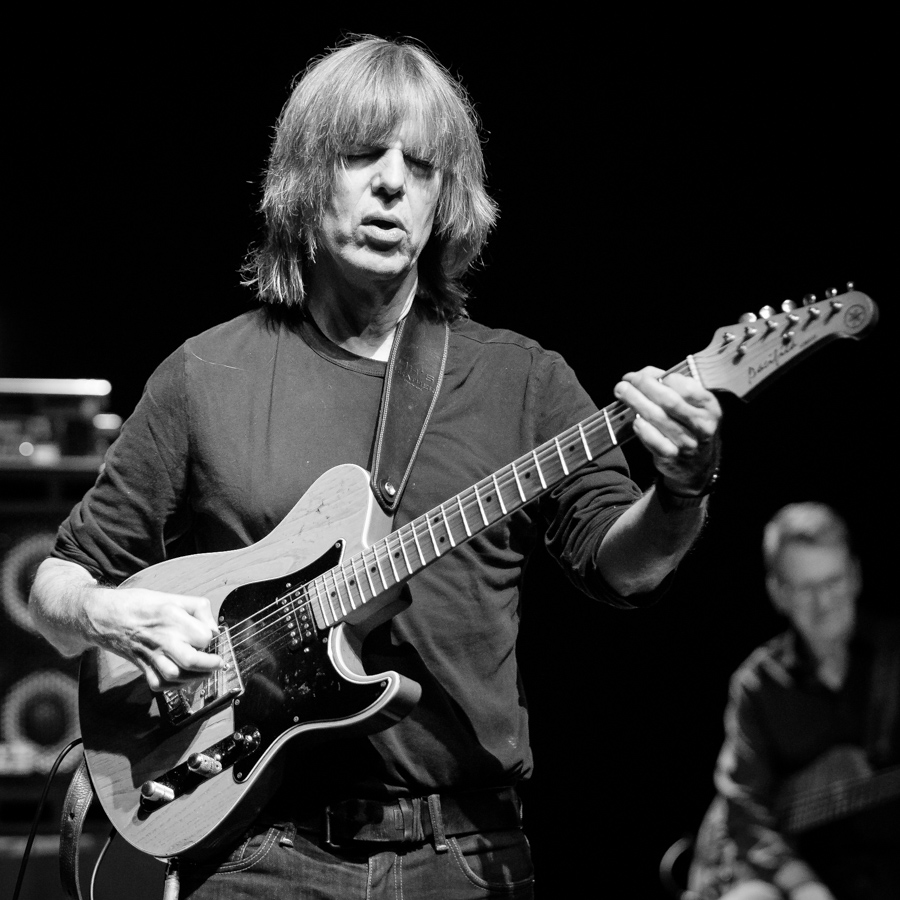
Mike Stern’s playing style is all about intensity, energy, and expression. His sound reflects his rock influences, characterized by fast runs, aggressive bends, and a powerful tone. However, his deep jazz roots and sophisticated harmonic vocabulary add layers of complexity to his solos.
Stern’s improvisational approach is known for its unique use of arpeggios, fast alternate picking, and a variety of scales, especially the dorian mode and blues scale. He often combines these elements to create intricate lines that balance melodic clarity with harmonic depth. Stern’s solos are distinctive for their combination of speed, phrasing, and a willingness to push boundaries, making him a standout figure in the jazz fusion scene.
Rhythmically, Stern’s approach is heavily influenced by bebop and the swing feel of jazz, but with the aggressive touch of rock. This fusion of styles makes his playing equally at home in both jazz clubs and rock venues, bridging the gap between genres in a way that appeals to a wide audience.
Essential Albums and Performances
Mike Stern’s discography showcases his versatility and innovation as a jazz fusion artist. Here are some of his most defining albums:
- “Upside Downside” (1986): One of his first solo albums, Upside Downside features contributions from jazz heavyweights like Jaco Pastorius and David Sanborn. This album is a great introduction to Stern’s sound, with tracks that showcase his fiery, expressive guitar work and unique approach to jazz fusion.
- “Time in Place” (1988): Another standout in Stern’s catalog, Time in Place is a blend of intense fusion tracks and more melodic tunes, demonstrating his skill in balancing complex improvisations with catchy hooks. The album includes the track “Chromazone,” a high-energy piece that has become one of Stern’s signature songs.
- “Standards (and Other Songs)” (1992): This album reveals Stern’s deep understanding of jazz standards, a slight departure from his usual fusion-oriented material. Here, he interprets classic jazz compositions with his own twist, merging traditional bebop elements with his signature rock-influenced style.
- “Who Let the Cats Out?” (2006): A critically acclaimed album, Who Let the Cats Out? features collaborations with jazz greats like Richard Bona and Dave Weckl. The album captures Stern’s continued exploration of fusion, with tracks that range from intense, high-energy pieces to more relaxed, groove-oriented tunes.
- “Trip” (2017): This album is a personal and musical comeback for Stern after a severe injury to his right arm. With Trip, Stern revisits his fusion roots and delivers a powerful performance filled with emotion and virtuosity. The album reflects his resilience and commitment to his craft.
Gear and Tone
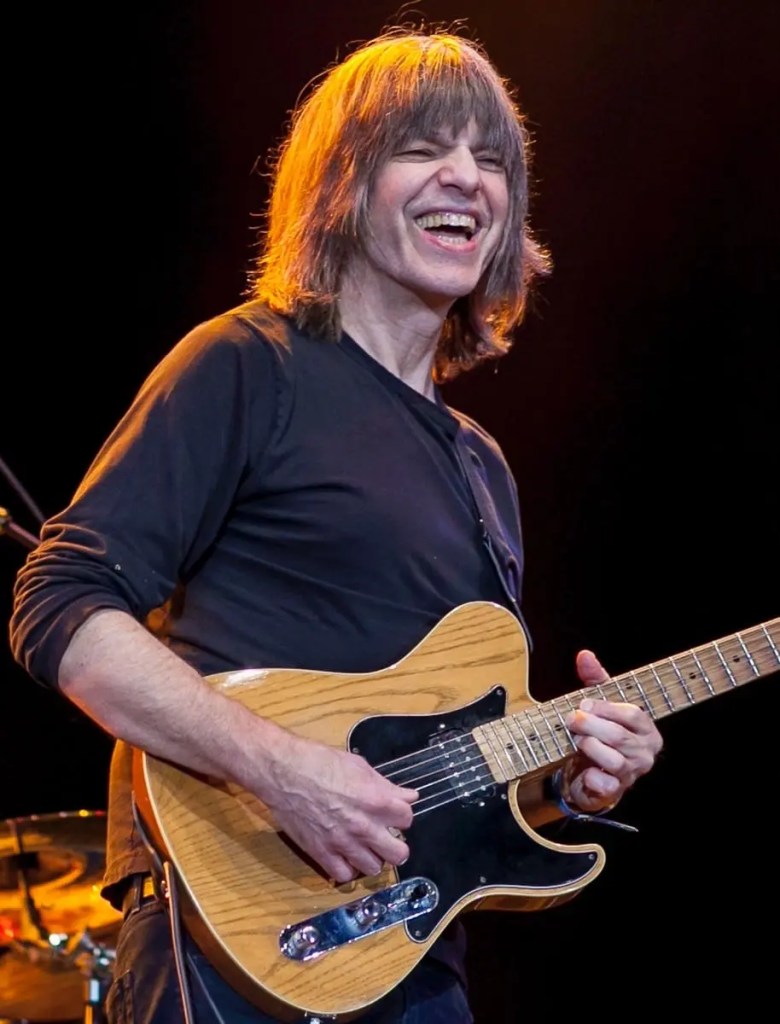
Mike Stern’s tone is as distinct as his style, shaped by a mix of specific gear and settings that allow him to achieve his aggressive, yet warm and fluid sound. His main guitar is a Yamaha Pacifica 1511MS, a Telecaster-style model customized to suit his needs. This guitar, with its versatile range, allows him to explore everything from smooth jazz tones to searing rock solos.
One of Stern’s defining tonal features is his use of the Boss DS-1 Distortion pedal, which provides the grit and drive that give his sound its rock edge. He often uses this in combination with the Boss CE-2 Chorus, which adds depth and a slightly modulated feel to his tone, giving his solos a more spacious, textured quality. Additionally, his Yamaha G100-212 amplifier provides a clean but powerful foundation that complements his pedals and guitar, delivering a tone that’s warm, punchy, and articulate.
Stern’s effects setup has remained relatively consistent over the years, reflecting his belief that tone comes from the player rather than the equipment. His gear choices highlight his desire for clarity and versatility, allowing him to navigate complex fusion pieces while maintaining his unique voice.
Techniques that Define Stern’s Playing
Mike Stern’s guitar technique is as intense as his sound, with an approach that combines jazz precision and rock passion. Here are a few techniques that define his playing:
- Fast Alternate Picking: Stern’s solos often feature rapid, articulate lines achieved through precise alternate picking. His speed and fluidity come from years of focused practice, enabling him to perform intricate runs without sacrificing clarity.
- Arpeggios and Sweeping: Arpeggios are central to Stern’s playing, especially in his fusion work. He often uses sweeping techniques to move quickly through chord tones, creating cascading lines that add harmonic richness to his solos.
- Mix of Scales and Modes: Stern frequently uses a mix of scales, including the dorian and mixolydian modes, as well as blues and pentatonic scales. This blend allows him to move seamlessly between jazz and rock tonalities, giving his solos a distinctive, genre-blending flavor.
- Aggressive Bends and Vibrato: Stern’s rock influences shine through in his aggressive bends and expressive vibrato. These techniques add intensity to his playing, making his solos feel dynamic and emotionally charged.
Stern’s Impact and Legacy
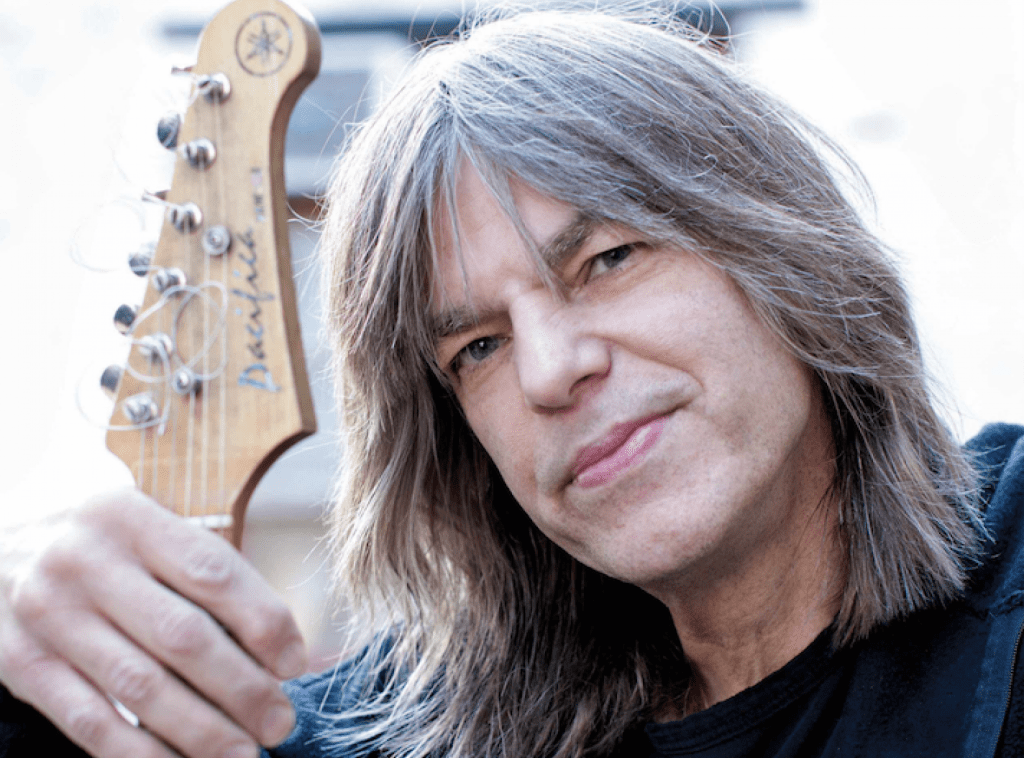
Mike Stern’s career has left an enduring mark on the jazz and fusion genres. His ability to bridge the gap between jazz and rock has influenced countless guitarists who aspire to break down genre barriers. Stern’s work with Miles Davis in the early 80s exposed him to a global audience, where he proved that jazz guitar could be bold, loud, and fearless.
Guitarists such as John Scofield, John McLaughlin, and Oz Noy have cited Stern as an inspiration for his willingness to embrace a variety of styles and sounds. His fearless approach has shown that jazz fusion can be both technically challenging and deeply expressive, appealing to musicians and listeners across the musical spectrum.
Conclusion
Mike Stern’s contributions to the guitar world go beyond technical skill—he’s an artist who’s continuously explored new sonic territories, combining jazz, rock, and blues into a sound that’s uniquely his own. From his groundbreaking work with Miles Davis to his countless solo albums, Stern has shown that fusion guitar is more than just complex solos—it’s about expressing energy, emotion, and creativity. For guitarists looking to expand their horizons, Stern’s music offers a roadmap to blending genres, pushing boundaries, and developing a style that’s as bold as it is personal.

 oscaronguitars.com
Leave a comment