
1. Materials: The Foundation of Quality
Wood Selection
The type of wood used in a guitar’s construction impacts both its sound and durability. Look for solid woods, such as:
- Top Wood: Spruce and cedar are popular choices for the top wood, influencing the guitar’s resonance and tone.
- Back and Sides: Mahogany, rosewood, and maple are common choices. Each wood type offers different tonal characteristics.
- Neck Wood: Maple and mahogany are widely used. The neck’s wood affects the guitar’s stability and tone.
Hardware
High-quality hardware contributes to the guitar’s performance and longevity. Check the following:
- Tuners: They should feel smooth and hold tuning well. Look for well-made tuning machines with a solid feel.
- Bridge and Nut: These should be securely attached and made from durable materials like bone or high-quality synthetic compounds.
2. Joinery: The Craftsmanship of Connections
Neck Joint
The neck joint is a critical area for assessing build quality. Common types include:
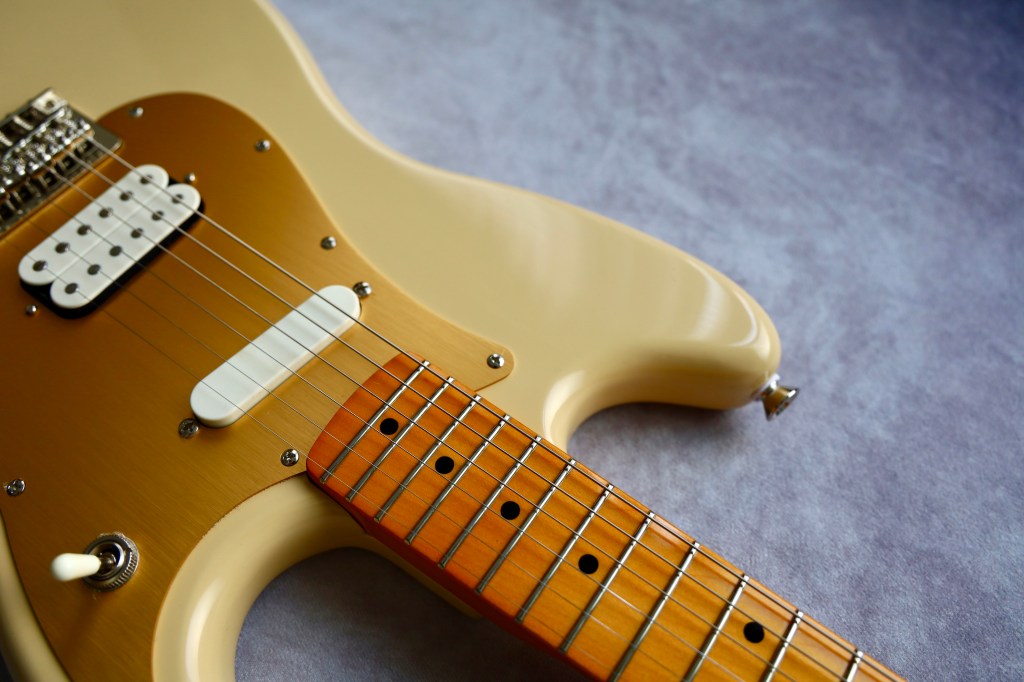
- Bolt-On: Provides ease of adjustment and repair. Check for tight, flush fitting with no gaps.
- Set-Neck: Offers better sustain and tonal continuity. Ensure the joint is smoothly transitioned and well-finished.
- Neck-Through: Provides seamless integration and improved sustain. Look for a smooth, continuous transition from neck to body.
Frets and Fingerboard
The frets should be well-set and smoothly finished. Look for:
- Frets: They should be level and properly seated, with no sharp edges. A quality guitar will have fret ends that are smooth and comfortable to play.
- Fingerboard: Check for any unevenness or defects. A properly finished fingerboard will have a smooth surface with no noticeable bumps or rough spots.
3. Finishing: Aesthetic and Functional Aspects
Finish Quality
The finish of a guitar not only affects its appearance but also its protection and playability. Assess the following:
- Consistency: The finish should be smooth and evenly applied with no drips, sags, or inconsistencies.
- Durability: A good finish should be free from cracks or peeling. It should protect the wood from moisture and wear.
Binding and Inlays
Examine the binding and inlays for quality:
- Binding: This should be even and securely attached. Poorly applied binding can affect both aesthetics and playability.
- Inlays: They should be flush with the fingerboard and free from gaps. Quality inlays are securely installed and enhance the guitar’s visual appeal.
4. Sound Quality: The True Test
While build quality is crucial, the ultimate test of a guitar’s quality is its sound. Play the guitar across different tonal ranges and techniques to evaluate:
- Resonance: A well-built guitar should have a clear, balanced resonance with a full spectrum of tones.
- Sustain: Good sustain indicates a solid build with effective vibration transfer from the strings to the body.
5. Overall Construction and Details
Symmetry and Alignment
Ensure the guitar’s body, neck, and hardware are symmetrical and aligned. Look for:
- Body Shape: It should be symmetrical with no visible warping or distortion.
- Neck Alignment: The neck should be straight and properly aligned with the body.
Quality Control
Check for any signs of poor quality control:
- Glue Joints: There should be no visible glue marks or gaps. High-quality guitars will have clean, neat joints.
- General Workmanship: Look for signs of attention to detail and craftsmanship in every aspect of the guitar’s construction.
Conclusion
Evaluating a guitar’s build quality involves examining materials, joinery, finishing, sound, and overall construction. By paying attention to these key indicators, you can make an informed decision and invest in a well-made instrument that offers great playability, durability, and tonal quality. Whether you’re shopping for a new guitar or assessing an old favorite, understanding these aspects will help you appreciate the craftsmanship behind your instrument.
 oscaronguitars.com
Leave a comment