

The Logic of Vintage Guitars
First things first: I totally get the appeal of a vintage guitar. These instruments are steeped in history, often made in a specific era by craftspeople who knew their stuff. They might have been played by legendary musicians, or they might have just been hanging out in someone’s attic, aging gracefully. The wood, the pickups, the finish—over time, all of these elements can change in a way that gives the guitar a unique sound and character.

Think about a guitar that’s been played to death by someone like Stevie Ray Vaughan or Eddie Van Halen. These are guitars that have been beaten up in the best possible way, where every scratch and dent tells a story. The wood breathes, the pickups mellow, and the whole instrument just oozes mojo. I’ve learned to be less neurotic and to enjoy my guitars more, not always worrying about a scratch or dent; at the end of the day, such scars give the guitar character and make it part of your own story. Can you picture SRV or EVH with pristine guitars? Nah! And shelling out big bucks for a truly aged, well-worn vintage guitar like that? I get it. You’re buying a piece of history, something that’s truly one-of-a-kind.

Relic Guitars: The Faux Vintage Appeal
But what about relic guitars? These are brand-new instruments that have been artificially aged to look like they’ve been through decades of gigs, practice sessions, and who knows what else. We’re talking crackled finishes, worn-off paint, rusted screws—the whole nine yards.
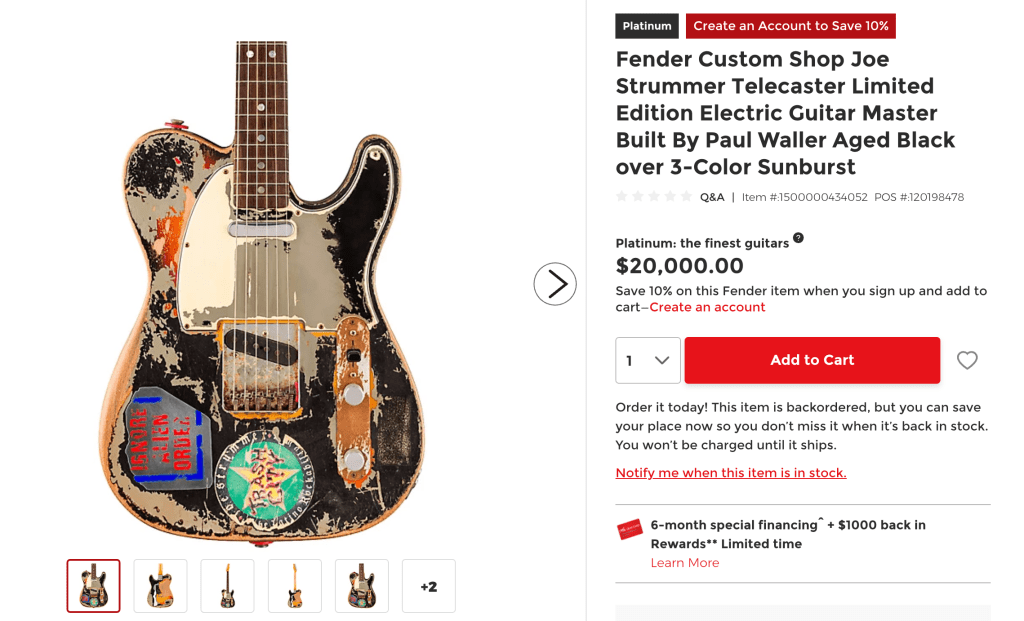
And here’s the kicker: they can be really very expensive, ridiculously so, if I may say. Walk into any high-end guitar shop, and you’ll see these relics hanging on the wall with price tags that rival the cost of a car.

Now, I get that there’s a certain aesthetic appeal here. In Japan, they have this concept called wabi-sabi, which celebrates the beauty in imperfection and the passage of time. A relic guitar might embody that philosophy—an instrument that looks like it’s lived through the ages, carrying all its experiences on its surface. But, for me, there’s something special about a guitar that’s aged naturally. A guitar that has its own stories, its own history that you add to each time you pick it up.

Caring for Your Guitar: A Labor of Love
For me, a guitar is more than just an instrument. It’s an extension of who I am. I’ve always believed in taking care of my guitars, keeping them in the best possible condition. Maybe it’s a little obsessive, but I enjoy the process. I like keeping the finish shiny, the strings clean, and the hardware in tip-top shape. It’s not just about maintaining the guitar’s value; it’s about respecting the instrument that allows me to express myself.
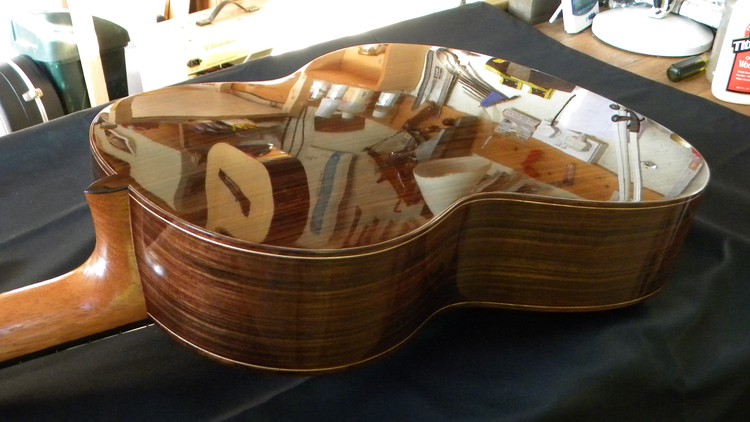
When I think of my guitar, I think of it like a soldier’s uniform. It’s something that deserves to be kept in pristine condition, ready for action. Or maybe like a samurai’s katana—a tool that requires care and respect.

There’s something almost spiritual about the act of cleaning and maintaining a guitar. It’s a ritual, a way of showing appreciation for the instrument that has given me so much.
Relics vs. New: A Personal Choice
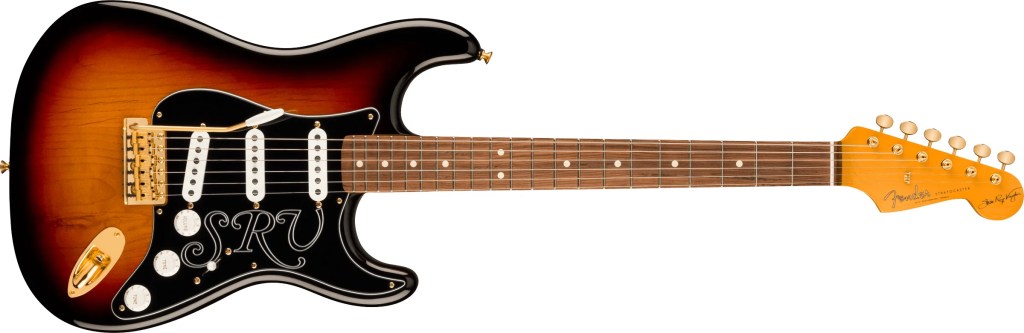
But what about relic guitars? These are brand-new instruments that have been artificially aged to look like they’ve been through decades of gigs, practice sessions, and who knows what else. We’re talking crackled finishes, worn-off paint, rusted screws—the whole nine yards. And here’s the kicker: they can be really expensive, ridiculously so, if I may say. Walk into any high-end guitar shop, and you’ll see these relics sitting on the wall with price tags that rival the cost of a car.

But, and there’s a big BUT, if I had to choose between a brand new $2,000 SRV Signature Fender Stratocaster or an artificially aged $5,000 SRV Relic, to be completely honest, for that particular Stevie Ray Vaughan vibe, I’d go for the relic that perfectly resembles SRV’s abused and worn-out axe, which is part of his high-energy playing style—even if it means paying more than twice the price. So, for me, nothing’s set in stone. That said, I don’t have enough money for either, so who cares? Anyway, as my dad used to say: ‘Those who deserve them enjoy them, and I get my peace just by looking.’

The Deeper Connection
At the end of the day, this isn’t really about whether relic guitars are good or bad. It’s about what they represent and how we connect with our instruments. For some, a relic guitar is a way to tap into a certain vibe or aesthetic that speaks to them. For others, it’s about the bond we form with our guitars over time. It’s about respect—for the instrument, for the craft, and for the music we make.
There’s a certain joy in taking care of your guitar. It’s about the ritual of maintenance, the satisfaction of seeing your instrument gleaming. And it’s about understanding that while a guitar is a tool, it’s also so much more than just that. It’s a partner in your musical journey, a vessel for your creativity, and, in some ways, a reflection of who you are as a musician.
Conclusion: To Each Their Own
So, whether you’re a fan of relic guitars or you prefer to keep your instruments shiny and new, it all comes down to personal preference. I honestly believe there’s no right or wrong here, just different ways of connecting with the music we love. For me, I’ll stick with my polished guitars and my maintenance rituals. But I tip my hat to those who find beauty in the worn and weathered. After all, it’s the diversity of perspectives that makes the guitar community so rich and vibrant.
In the end, it’s not about the guitar itself—it’s about what it means to you. Whether it’s a brand-new instrument or a relic with a story to tell, what matters most is how it makes you feel when you pick it up. Does it inspire you? Does it make you want to play? Does it help you express what’s inside? If the answer is yes, then you’ve found something truly special. And that’s what being a guitarist is all about.

 oscaronguitars.com
Leave a reply to Epiphone Les Paul Custom Ebony: A Shiny Tribute to Gibson’s Legacy – OscarOnGuitars.com Cancel reply