

When shopping for a guitar, you probably have a mental checklist of what you want: the brand, model, color, pickups, and hardware. But have you ever considered the shape of the guitar neck? This often-overlooked feature plays a crucial role in how comfortable and enjoyable your playing experience will be.
Understanding the various neck shapes is essential, as each one offers a unique feel and can significantly impact your overall playability. In this article, we’ll break down the most common guitar neck shapes—C, U, V, D, and others—and help you find the right neck for your playing style.
The Importance of Neck Shape
The neck shape directly affects how your hand interacts with the instrument, which can influence your playing style and comfort over long periods. While neck shape does not alter the sound of the guitar, it can make a significant difference in your playing technique. Choosing the right neck shape can enhance your experience, allowing you to focus on what truly matters: making music.
Common Guitar Neck Shapes
Let’s dive into the eight most common neck shapes, detailing their characteristics, advantages, and who they may suit best.
1. C-Shape Neck
The C-shape neck is the most prevalent neck profile you’ll find in modern guitars, especially on Fender models. Its rounded, oval profile provides a comfortable fit for most players, particularly those with smaller hands. The C-shape neck has evolved, with variations like the “flat oval” C neck, which is flatter than older models.

Notable Features:
- Rounded and smooth, offering good playability
- Available in different variations: Slim, Extra-Slim, Fat, Nut-Shaped, and Huge
- Commonly used in various Fender models like the American Standard Series and Ibanez JEM.
Who It’s For: Ideal for players who prefer a comfortable, rounded neck that accommodates various playing styles without being too bulky.
2. U-Shape Neck
Affectionately known as the “baseball bat,” the U-shape neck is thicker and chunkier than the C-shape, making it ideal for players with larger hands or those who enjoy a more substantial grip. This neck style offers a comfortable reach, especially for those who find it easier to wrap their hands around a thicker neck.
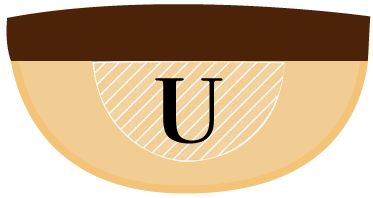
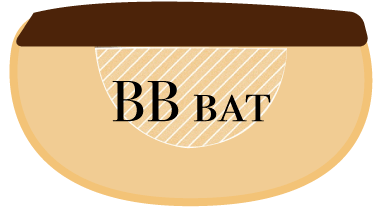
Notable Features:
- Broad and rounded design
- Often found on older Fender models and classic Gibson Les Pauls
- More recent variations are available in thinner options, like those from Schecter.
Who It’s For: Great for players with larger hands or those who prefer a chunkier neck for added support during play.
3. V-Shape Neck
The V-shape neck comes in two variations: the soft V and the hard V. While both are designed with a pronounced V profile, the soft V is more rounded and forgiving, while the hard V has sharper edges. This shape is perfect for players who like to wrap their thumb over the neck while playing.


Notable Features:
- Offers distinct grip and control, especially for thumb-over techniques
- Less common today but favored by vintage guitar enthusiasts
- Popular models include the 50s Classic Stratocaster and Eric Clapton’s Replica Stratocaster.
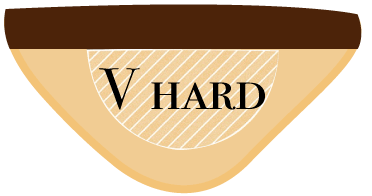
Who It’s For: Suitable for players who enjoy a unique neck feel and often use thumb-over techniques.
4. D-Shape Neck
The D-shape neck, or modern flat oval, is designed for speed and comfort. With flatter edges and a profile that encourages quick movement, this neck is often preferred by players who favor fast, intricate passages. Originating from classical guitars, the D-shape has found its place in modern electric guitars.
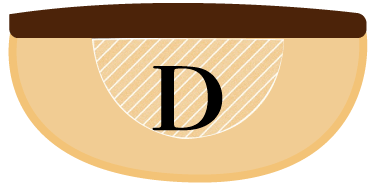
Notable Features:
- Almost flat profile that enhances comfort for fast playing
- Common in brands like Ibanez and Epiphone
- Models include Ibanez JP20 and Epiphone Les Paul Standard.
Who It’s For: Excellent for players who play fast, complex solos and require a neck that allows for quick string transitions.
5. Asymmetrical Neck
Asymmetrical necks are less conventional, featuring a bulkier side on one end that gradually tapers to a thinner profile. This design offers a comfortable grip while maintaining playability, as the thickness is positioned in the palm of the hand rather than under the fingers.
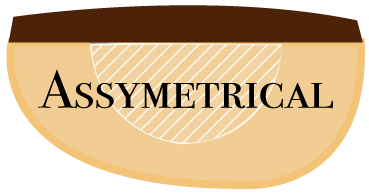
Notable Features:
- Unique design that combines comfort and speed
- Used in signature models like Brad Paisley’s Telecaster and Eddie Van Halen’s EVH models.
Who It’s For: Ideal for players looking for a comfortable grip without sacrificing playability across the fretboard.
Understanding Fretboard Radius
Another aspect to consider when selecting a guitar neck is the fretboard radius, which measures the curvature across the width of the neck. Most electric guitars feature a slightly convex shape, whereas some traditional instruments, like classical guitars, have flat fingerboards.
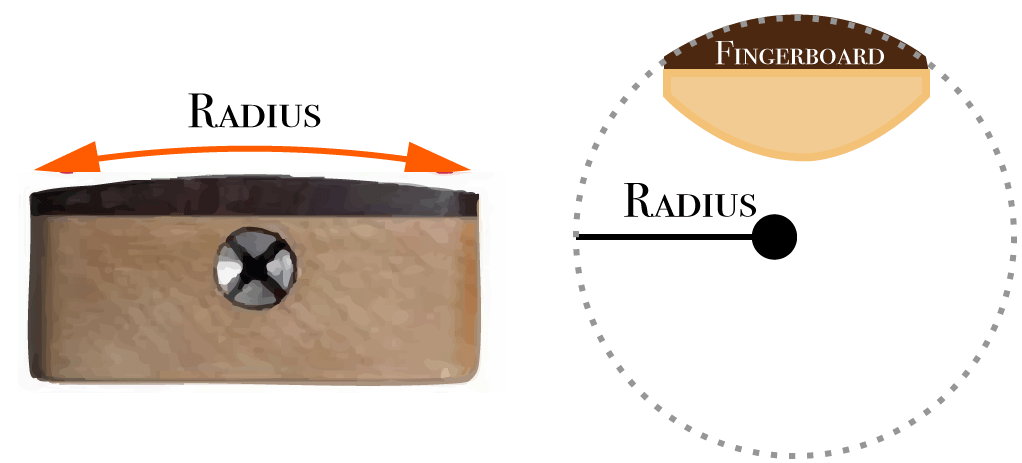
Common Fretboard Radii:
- 7.25” – Typical for vintage Fender models
- 9.50” – Standard for modern Fender guitars
- 10” to 12” – Common for most Gibson electric guitars
- 16” and above – Found in many newer models from brands like Ibanez
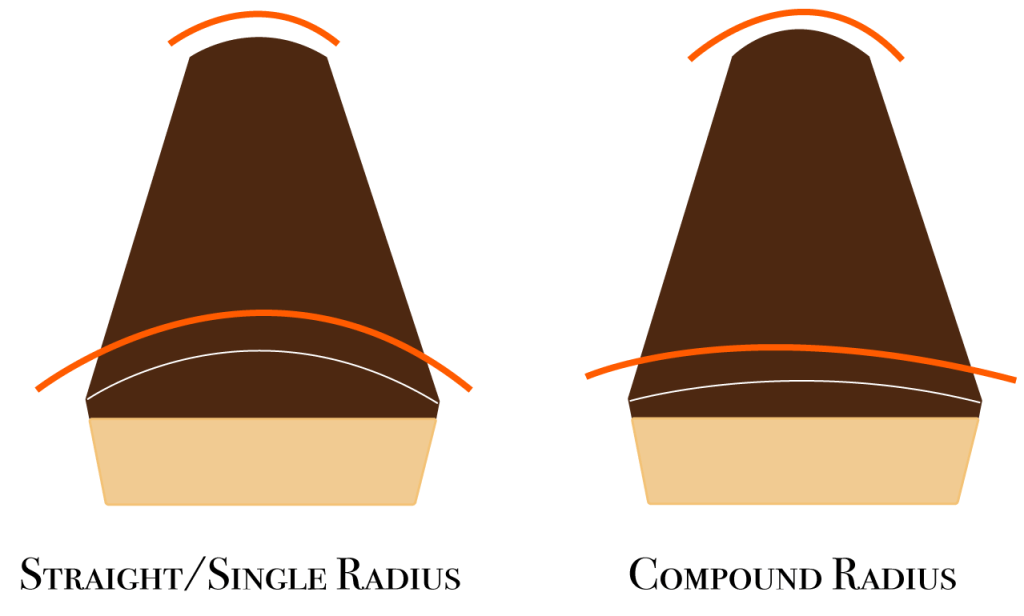
Why It Matters: A more curved fretboard is typically better for chord playing, while a flatter board facilitates easier bending of notes. Some manufacturers have even introduced compound radii that change along the neck for optimal playability.

Pros and Cons of Neck Shapes
When considering neck shapes, it’s essential to weigh the benefits and drawbacks.
Thin Neck Shapes
Pros:
- Easier to play fast passages
- Less wood obstructing your hand, promoting a freer playing experience
Cons:
- More susceptible to warping with changes in temperature and humidity
- May feel less stable for players who prefer a sturdier grip
Thick Neck Shapes
Pros:
- Greater stability and resistance to warping
- Provides a solid grip for players who prefer a more substantial neck
Cons:
- Can feel cumbersome for players who prefer speed and agility
- May limit the comfort level for smaller hands
Conclusion
Choosing the right guitar neck shape is a personal journey that can significantly affect your playing experience. By understanding the common neck profiles and their unique characteristics, you can find an instrument that feels comfortable and inspires you to play.
Whether you prefer the rounded comfort of a C-shape, the bulk of a U-shape, or the speed of a D-shape, finding the right neck is key to your guitar journey. Don’t hesitate to try different shapes and see which one fits your hand and playing style best.
More info
For more detailed information about neck profiles, be sure to check out these resources:
- Electric Herald. Neck profile guide.
- Bedroom Guitarist. Electric Guitar Neck Shape Guide: Find Your Perfect Fit

 oscaronguitars.com
Leave a reply to More Than Just Sound: The Importance of Comfort in Guitar Selection – oscaronguitars.com Cancel reply