
The Yamaha Revstar series has been getting a lot of attention for quite some time now. After some research, it seemed like the perfect fit for me. I’m a fan of vintage style and double humbucker tone. But to really know if it lived up to the hype, I had to try it for myself.
>> Note: This is my in-depth review. For a quick summary, check out the concise version here.
I was born, raised, and currently live in Mexico City—a bustling metro area of 30 million people. Surprisingly, despite its size, there are very few Yamaha guitar distributors here. Fortunately, the Yamaha Academy is just about a mile from my home.

One pleasant afternoon, I decided to visit their store, where I tried a green Revstar Standard and instantly loved it. After checking their inventory, the staff found a brand-new Revstar RSS20 Standard in Sunset Burst. The moment they unboxed it, I was blown away and knew I had to take it home. Three months later, it’s become my go-to guitar. Let me share my experience with you.
A Vintage Look with Modern Flair
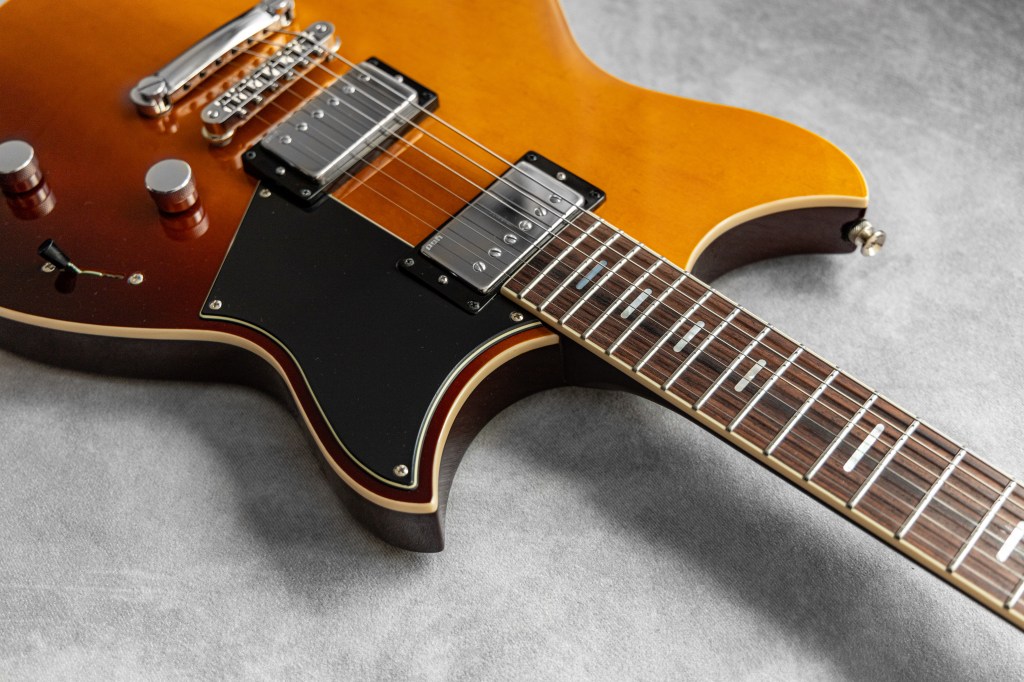
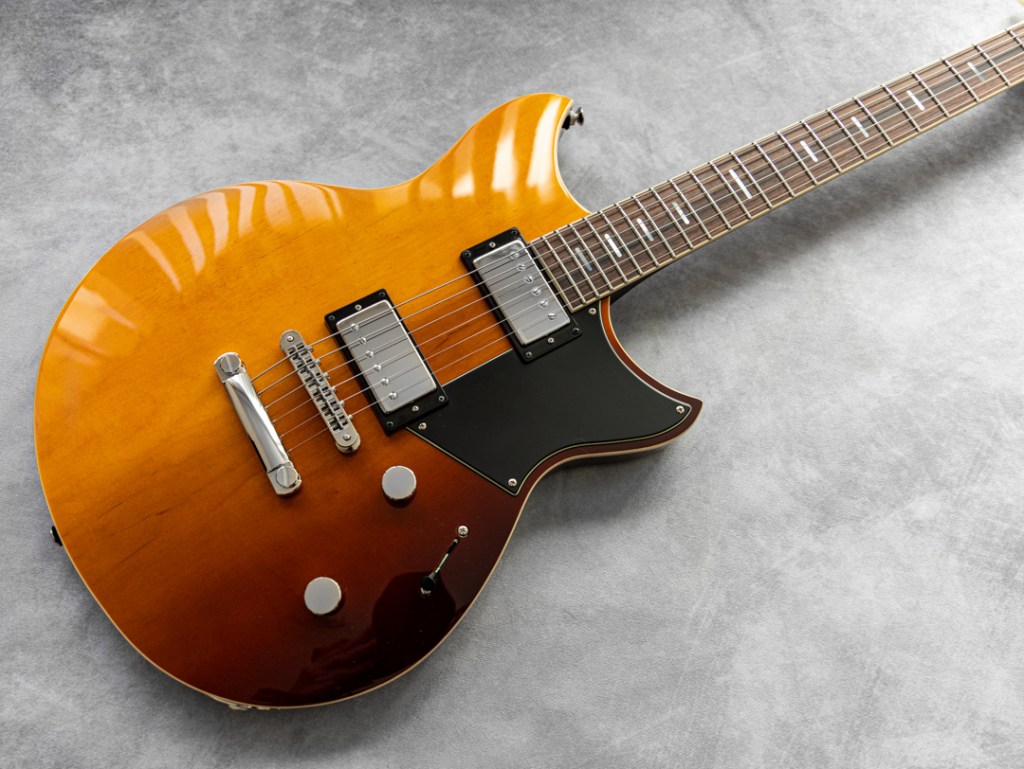
The Revstar RSS20 Standard in Sunset Burst is a remarkably attractive guitar for me. The stunning sunburst finish immediately drew my attention to this particular edition. It stands out because of its linear gradient, which is a welcome change from the typical radial sunburst. The application of the color is excellent. The maple top has a lovely appearance despite lacking quilting or heavily detailed features. This is particularly true at close range and when seeing from different perspectives.

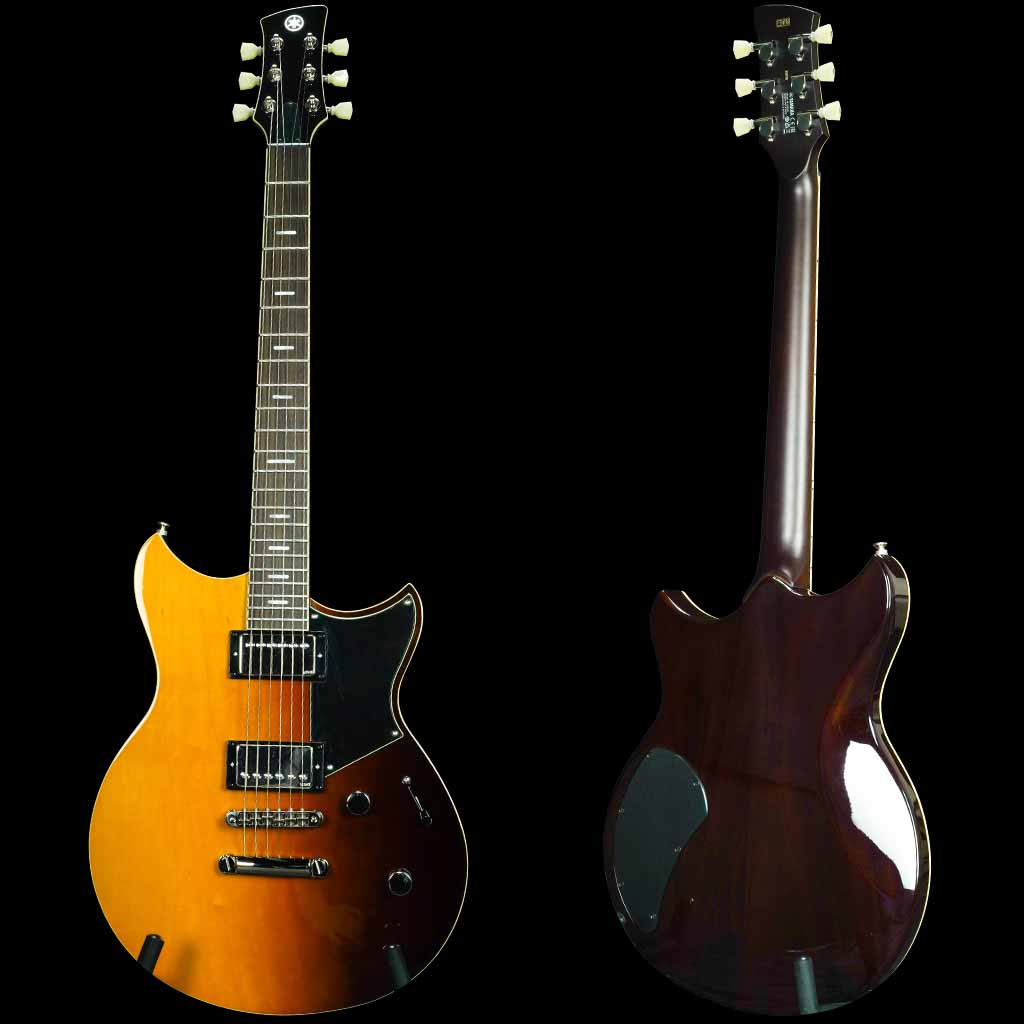
The back’s translucent dark red finish, reminiscent of a deep Crimson Shadow, adds the perfect touch of elegance to complete the ensemble.

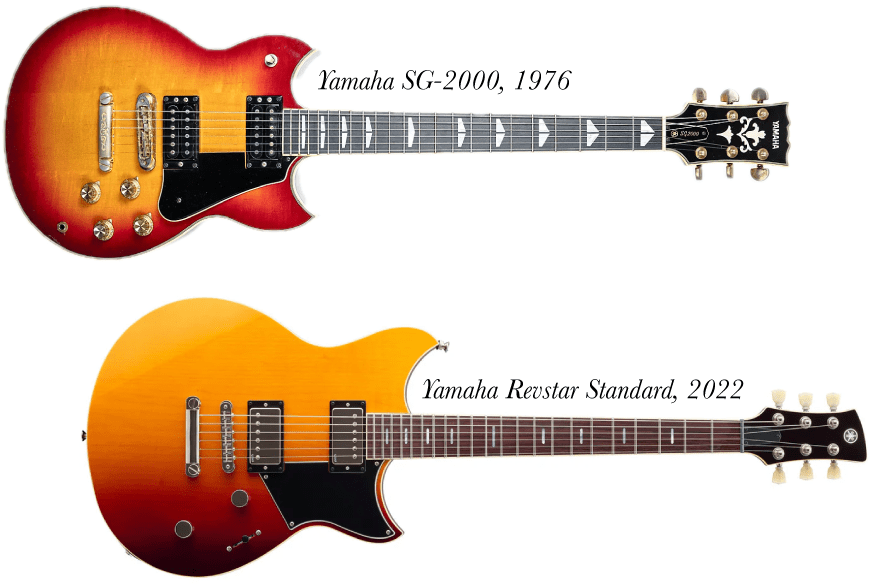
While it shares a vintage Yamaha SG-inspired design, this guitar stands apart from the usual Strat or Les Paul, which can feel a bit overdone. I especially love the contrast between the satin neck finish and the glossy polyurethane body—it’s not nitrocellulose, but I don’t mind at all. It still exudes a premium feel.

There are three versions of the Revstar: Element, Standard, and Pro. The Element version of the Revstar has a feel similar to a Chevrolet, while the Standard version has a more upscale Buick-like vibe. The Pro, on the other hand, is unique as it offers a slightly better experience than the Standard, but at a significantly higher price.
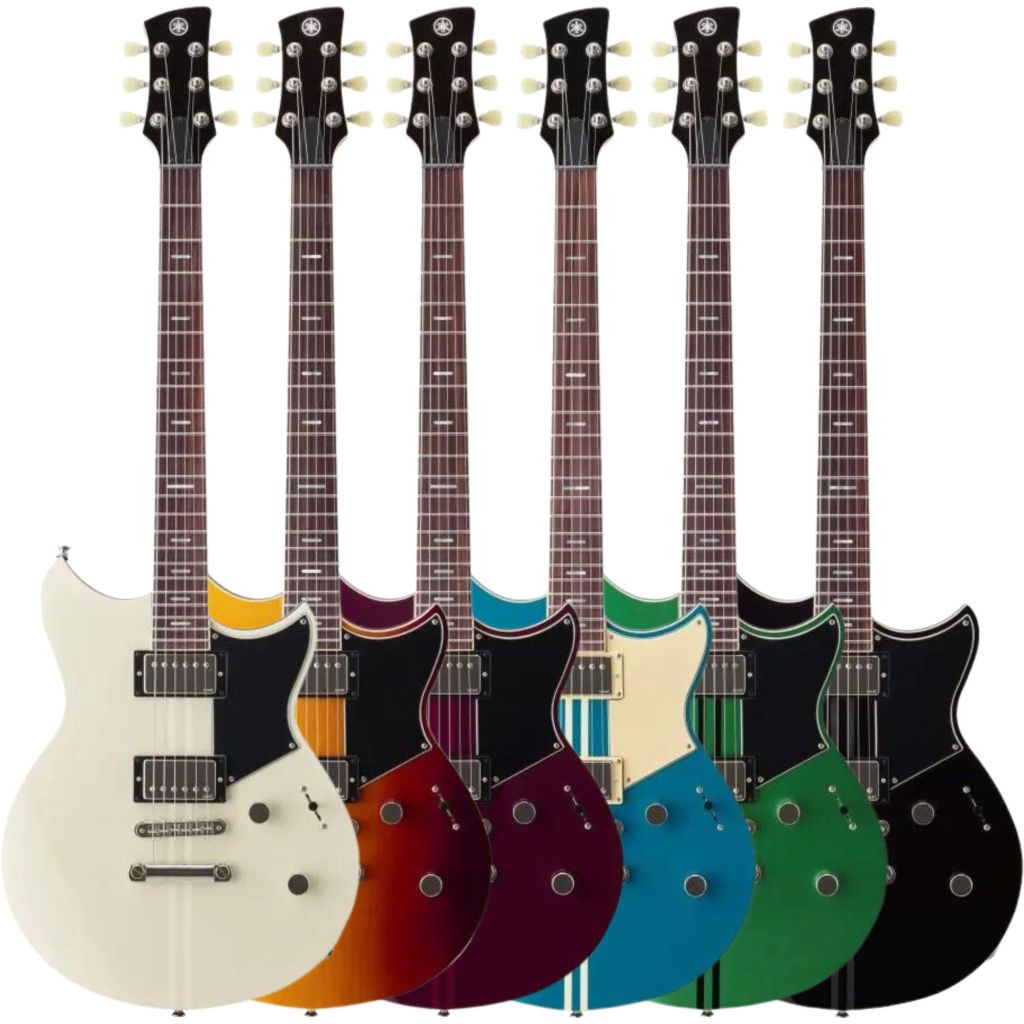
The Revstar series embraces a “café racer” theme with its twin racing stripes on solid-color models, but the Sunset Burst finish doesn’t feature this aesthetic element, and I have to say that I miss it, but in exchange, I chose the sunburst that is beautiful and distinctive.
Neck & Headstock
The Yamaha Revstar Standard boasts a set-in neck construction, immediately bringing vintage vibes with its long sustain and premium feel. While bolt-on necks are perfectly fine, I personally prefer the superior resonance of the set-in design. The headstock, featuring a 3-on-a-side tuner layout with a subtle angle, pays homage to Yamaha’s classic guitar designs from the 1960s, and I have to say that is a fresh departure from the typical open-book Gibson headstock or the Stratocaster approach. The nut is made of PPS—not bone or graphite—but still does the job well. The die-cast sealed tuners are surprisingly smooth and precise, keeping a vintage aesthetic. Though I would have preferred locking tuners, the current setup performs surprisingly well and the guitar stays in tune. The minimalist headstock design, displaying only Yamaha’s three tuning-forks logo, adds a touch of elegance.

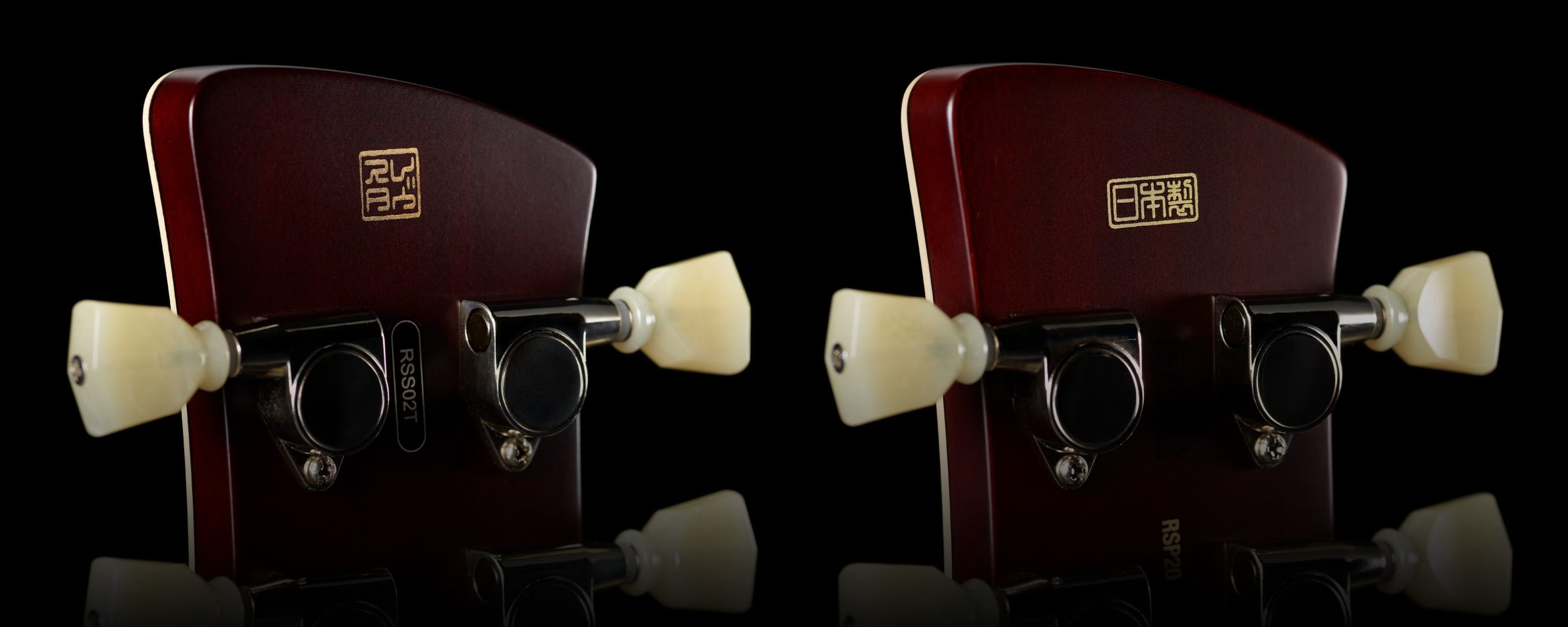
And what about the model name? You’ll find it on the back, stamped with a traditional Japanese hanko seal. In Japan, hanko seals are used in place of signatures, and on every Revstar guitar, this stamp represents Yamaha’s seal of approval.


As you move down the neck, there’s much to admire. The 22-fret setup with a 24-3/4” (628.6mm) scale length feels comfortable and familiar. The rosewood fretboard is a highlight, especially when many manufacturers opt for cheaper alternatives like laurel. An important highlight is that the stainless steel jumbo frets are impeccably finished and rounded. They offer a luxurious feel that sets this guitar apart. Other brands often cut corners in this area using nickel alloys and poor finishing such as the Epiphone Les Paul Custom I’ve already reviewed here.
The neck features a versatile and comfortable “C” shape, reminiscent of a ’60s Les Paul, with excellent upper fret access for effortless playability up to the 20th and 22nd frets. A standout aspect is the satin finish, uncommon in set-in neck designs, which enhances both comfort and speed, making it a joy to play for any style. Striking a perfect balance between vintage chunkiness and modern slimness, the neck feels fantastic in hand, offering a well-rounded experience that suits virtually every player. Meanwhile, the body’s shiny polyurethane finish adds a polished aesthetic, combining the best aspects of both styles.
The 3-piece mahogany neck features dual carbon reinforcement for added stability, enhancing durability and resilience.
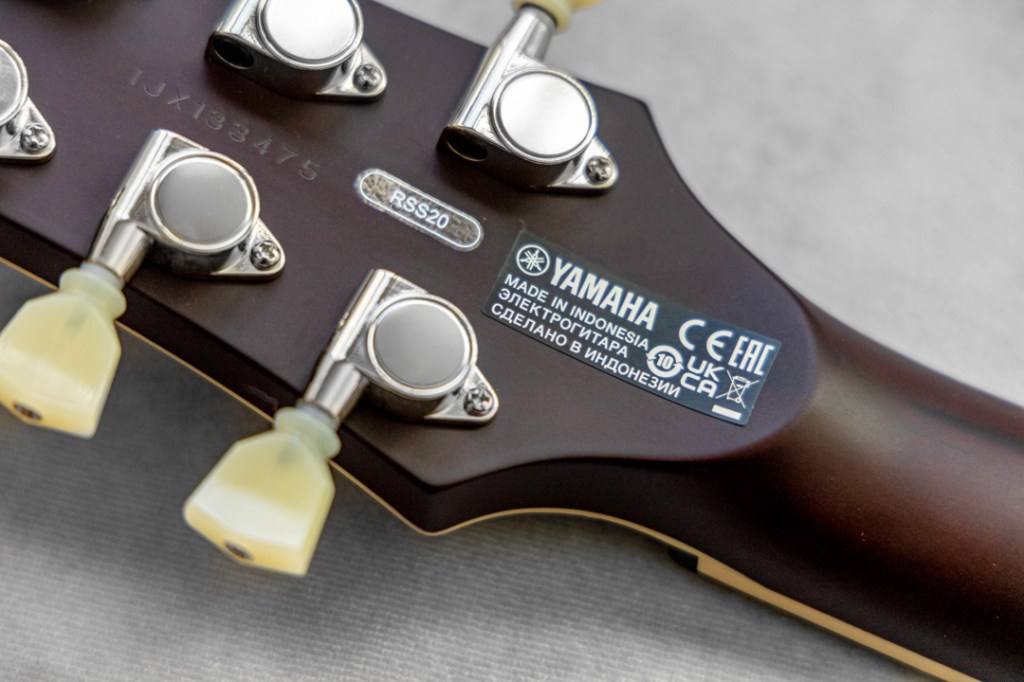
Crafted in Indonesia, this Yamaha enhances the country’s growing reputation. It delivers high-quality guitars at affordable prices. These instruments rival those made in Japan, Mexico, and even some American models. I have to say: I checked every inch of my Revstar, and it is flawless, not a single quality issue.
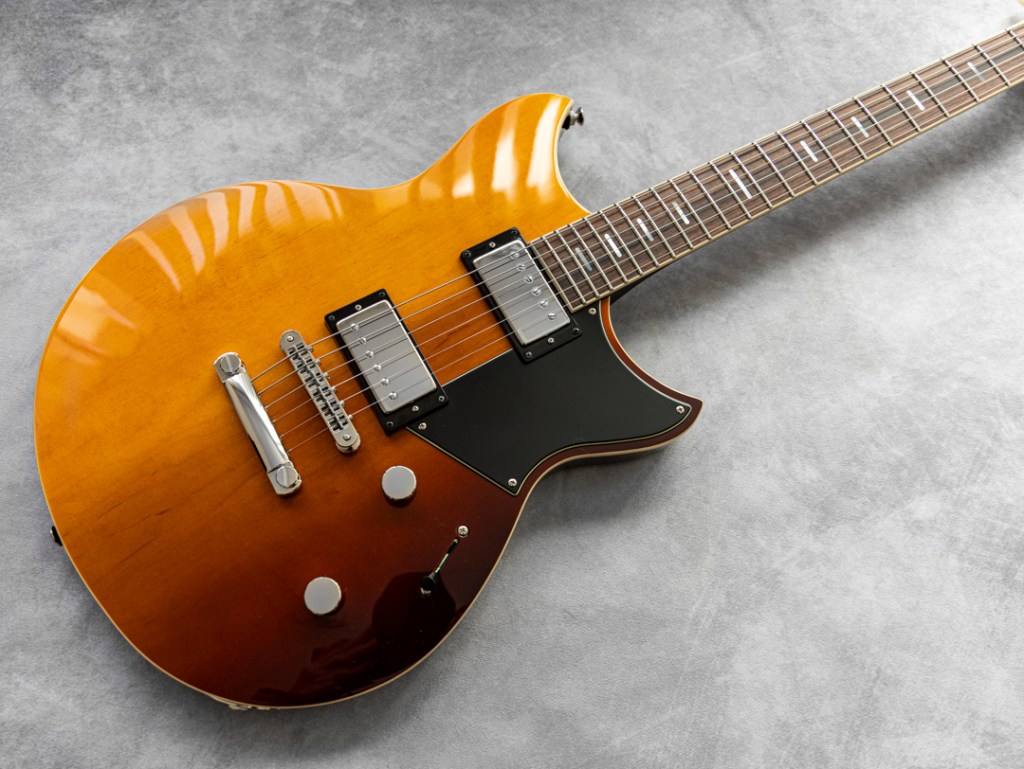
A true highlight is the distinctive inlays, which bring a unique and elegant flair, setting the guitar apart from standard dots, trapezoids, or blocks. These thoughtful design choices elevate the Revstar Standard, blending functionality with standout style to create an instrument that’s as reliable as it is visually appealing.
The Body
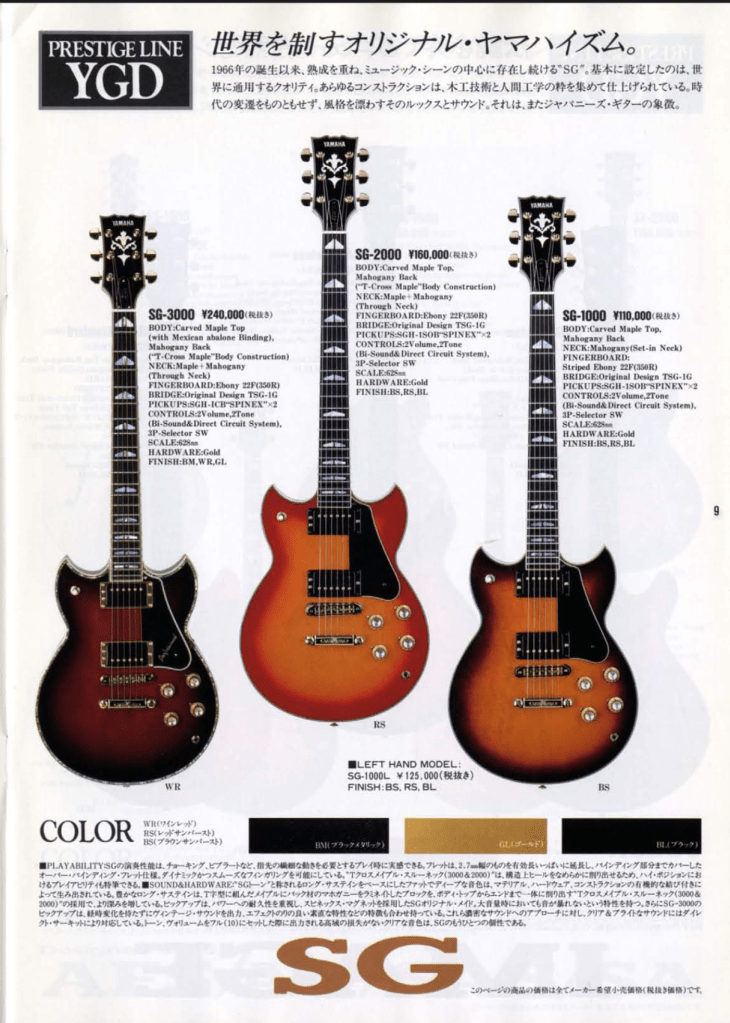
Yamaha’s classic SG series clearly inspired the Revstar Standard’s body design, but it’s not a clone. Carlos Santana famously played the original SG on tracks like ‘Europa,’ ‘Oye Como Va,’ and ‘Samba Pa Ti,’ combining elements of the Les Paul and Gibson SG for a unique aesthetic. The Revstar takes this heritage and refines it, offering a more subtle, modern take on Yamaha’s iconic design.

The combination of a mahogany body with a maple top adds a balanced tonal foundation, providing warmth and sustain from the mahogany, with brightness and clarity from the maple. A standout feature is the chambered body, which enhances resonance and reduces weight, improving overall balance and making the guitar more comfortable for extended play. Yamaha says tha this “acoustic design” sets it apart from other solid-body guitars, offering tonal and ergonomic advantages.

Personally, I find the Revstar lighter and more ergonomic than a Les Paul. However, to be completely honest, I didn’t notice a huge difference in tone, even with the chambered body. The Revstar does sound slightly brighter to me, but that could be due to the pickup design. The Les Paul has a bit more of a compressed sound, though we’re really splitting hairs here.
The body, neck, and headstock all feature beautifully executed white binding, which is of the simple type rather than a multi-ply variety. It is an elegant touch often missing in guitars within this price range, like the PRS SE DGT or Custom 24 models. The bridge setup, consisting of a stop bar tailpiece and Tune-O-Matic bridge, while functional and competent, doesn’t offer anything particularly luxurious. It does the job well but isn’t a showstopper. This type of bridge doesn’t have a tremolo bar. Personally, I often use it as an additional tool in my playing. Comparable models in the same price range, like the PRS SE Custom 24 and DGT, do include it. If you’re someone who relies on the tremolo, it’s worth keeping in mind. Of course, many players do not care about this feature, but I think it’s still worth mentioning.
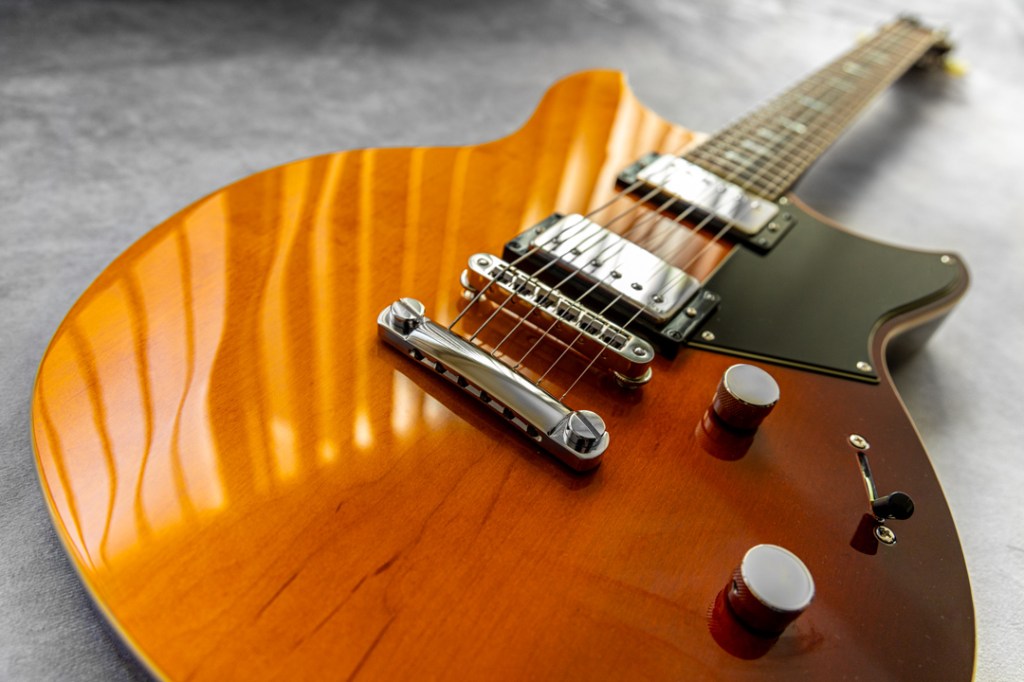
The Revstar’s comfortable design is something that should be praised. It features a belly cut on the back and a subtle slope on the front, reminiscent of the Stratocaster’s contoured body but more understated. These details enhance comfort, making the guitar suitable for long playing sessions. Plus, being lighter than a Les Paul, it’s easier on your back—something you’ll appreciate after hours of playing.
Pickups & Electronics
The Yamaha VH5n (neck) and VH5b (bridge) humbuckers are excellent pickups equipped with Alnico V magnets, crafted to deliver a balanced, versatile tone with both clarity and warmth. These pickups shine across a wide range of genres, effortlessly transitioning from clean, articulate tones to powerful, high-gain distortion. The Alnico V magnets provide a strong yet refined output, offering an acceptable dynamic range. This makes them perfect for players seeking vintage warmth combined with a bit of modern punch. With a smooth midrange and a tight, defined low end, these pickups are equally adept at rhythm and lead playing. To be honest, I don’t see an urgent need for an update; many mid-tier guitars may benefit from more robust pickups, but I don’t feel that way in this situation. Interestingly, the Revstar’s pickups are a component of a system in which all of the electronics work together to produce the overall sound. I feel that changing the pickups would alter the recipe and affect the final tone.
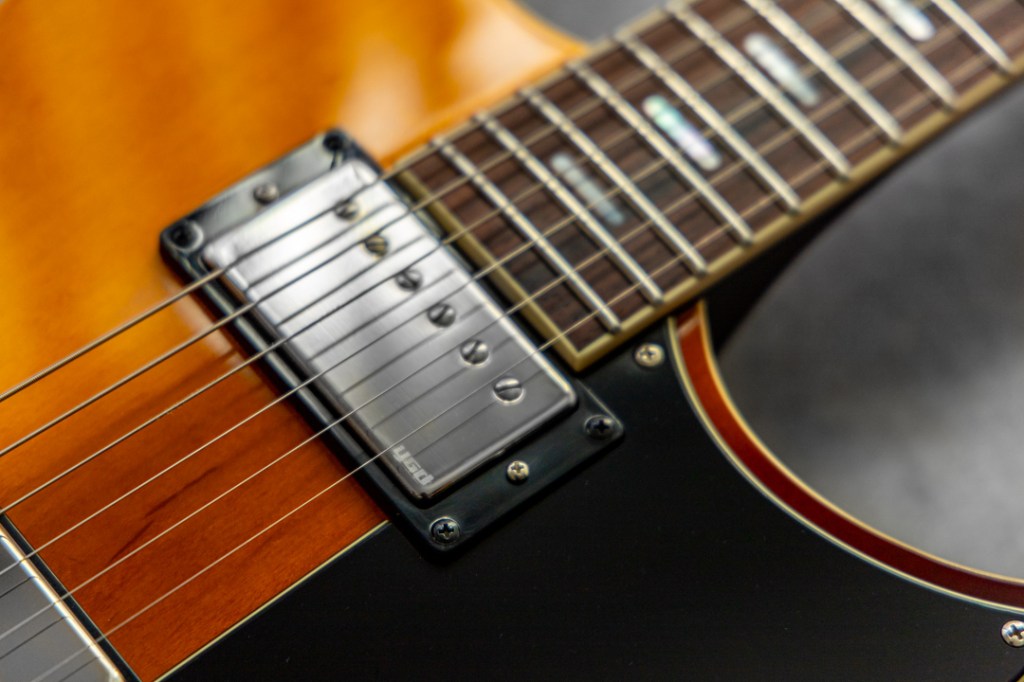
Electronics: Versatile Innovation or Unused Gimmick?
What really sets the Revstar Standard’s electronics apart is its innovative 5-position switch, offering much more tonal variety than the usual 3-way selector found on most dual-humbucker guitars. In addition to the standard neck, bridge, and combined humbucker settings, it introduces phase-shifting options that expand the tonal range. Paired with Yamaha’s Focus Switch—a passive boost circuit—the guitar gains even more versatility, delivering extra punch in the low and mid frequencies. Unlike the coil-split or coil-tap features commonly found on PRS SE guitars, the Focus Switch acts more like an EQ shift, adding tonal depth without altering the guitar’s natural character. To be completely honest, it feels like a gimmick that initially seemed interesting but that I rarely use in practice. This guitar has been my go-to instrument since I bought it, and I’ve played it a few times to test the Focus Switch feature, but I don’t use it very often. But who knows? Perhaps you’ll find it more useful. In any case, having it and not using it is preferable to the opposite situation.
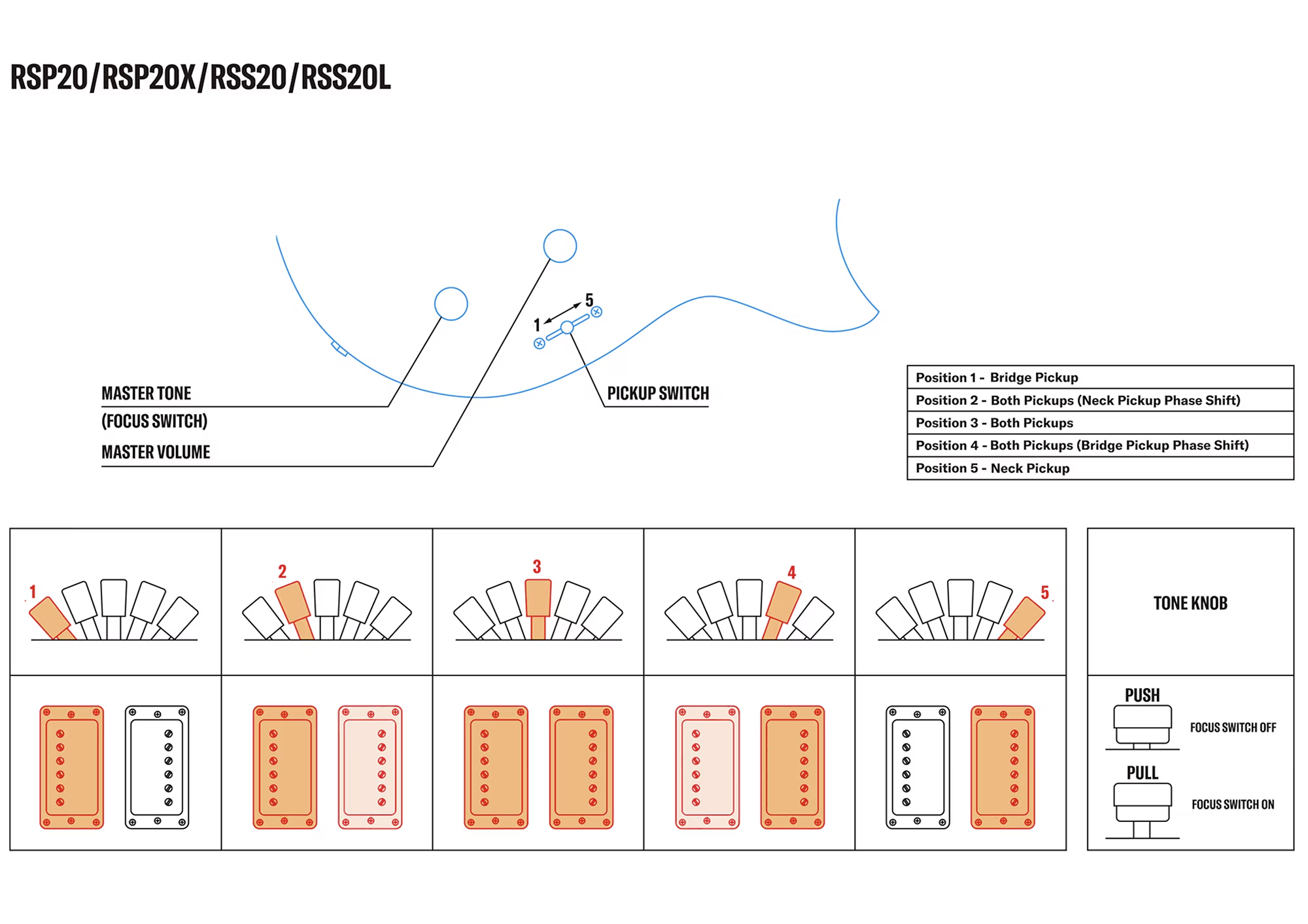
On the other hand, Yamaha’s option with the Focus Switch is somewhat uncommon. Typically, when you want a brighter sound to pierce through a mix—especially for metal or shredding—many guitars provide coil splitting on the bridge pickup (like the Yamaha RGX-TT). But here, it’s the opposite: the Focus Switch boosts the mid and lower frequencies. So, you start with a naturally brighter guitar, and it can be toned down even more using the tone control, resulting in a darker, muddier sound. It’s not a bad thing, just a unique tonal choice by Yamaha for the Revstar.
With the focus switch and 5-position switch, you can get 10 distinct tones, allowing, at least in theory, for a perfect match in almost any mix—offering more than triple the tonal range of a typical dual-humbucker guitar with a 3-way selector.
My Personal Take on the Revstar
The Revstar has firmly become my go-to instrument. It’s always ready to deliver, whether I’m practicing, rehearsing, or jamming. Unless I specifically need the distinct characteristics of single coils or a feature like a Floyd Rose or a more subtle tremolo bridge, the Revstar is my top choice. Its sound is well-rounded and versatile, making it a reliable workhorse for a variety of styles.
Comfort is another big win for the Revstar. The stainless steel frets make long sessions a breeze, and it looks stunning—an inspiration every time I pick it up. Even when I switch to other guitars, I often find myself coming back to the Revstar.
That said, the only guitar I own that’s more versatile is my PRS SE Custom 24. Both guitars are in the same price range, but the PRS edges out in flexibility with its 24 frets, coil-splitting, a super-comfortable neck, and a tremolo bridge. The PRS also has a distinct character—its two-horn body, breathtaking flamed maple top, and signature bird inlays scream “PRS.”
In my experience, the Revstar offers something refreshingly unique in every aspect—playability, comfort, sound, and aesthetics. This unique instrument evokes vintage vibes without restricting itself to any particular style. What makes it my go-to guitar is its ability to inspire me every time I pick it up. While its sound isn’t particularly groundbreaking, it’s the synergy of its features that creates an enjoyable and engaging playing experience. Combined with its stunning design, it’s no surprise that I find myself reaching for it repeatedly.
The Revstar truly stands out in its own unique way, boasting plenty of personality, stunning design, and exceptional tone. While not as versatile as the PRS SE Custom 24, it holds its own with distinctive charm, making it perfect for my blend of blues, jazz, and hard rock.

Sweetening the Deal
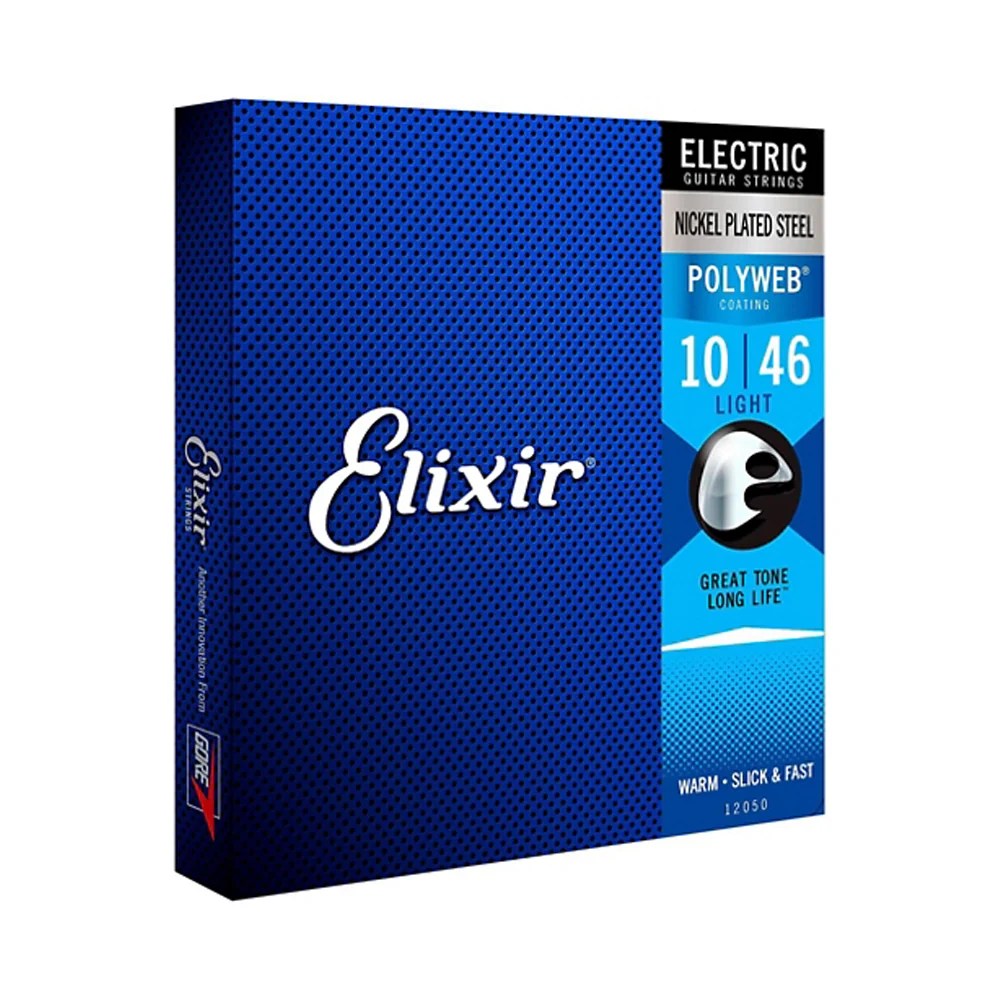
Two features caught my attention. First, the inclusion of Elixir Nickel Plated Steel strings with Nanoweb coating is a thoughtful upgrade, providing excellent durability and smooth playability right out of the box—far better than the generic, unbranded strings often found on new guitars. While it may not seem groundbreaking, it’s a welcome and appreciated detail.
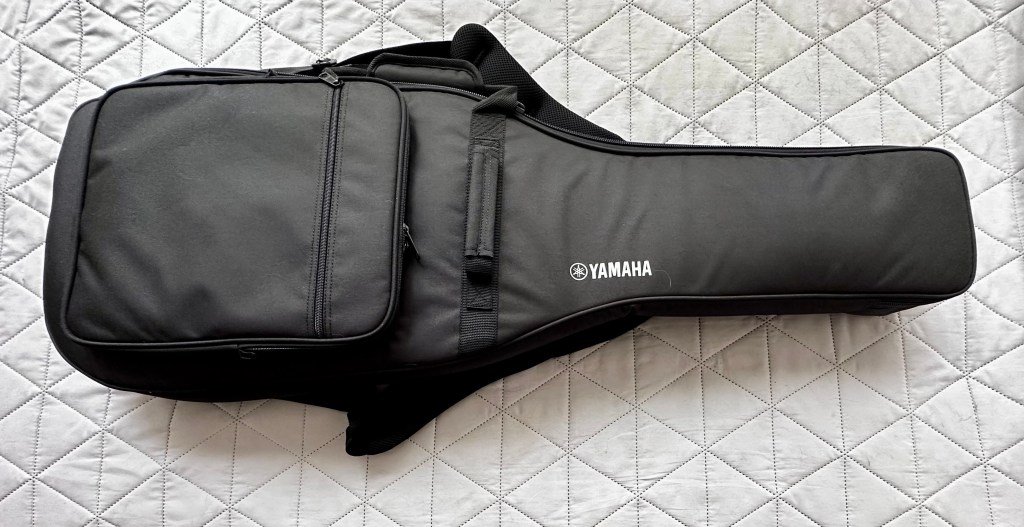
The real surprise, though, was the gig bag. It’s incredibly well-padded and durable, easily rivaling—or even surpassing—the excellent quality of PRS SE gig bags in this price range.
The Price is Right
The Yamaha Revstar Standard retails for approximately $850 USD. The more affordable Element version comes in at about $550, while the Pro model tops out at a hefty $2,200. The Standard offers incredible value because although it comes at a higher price than the Element, it offers significant upgrades in both quality and performance. The Element feels, clearly, like a more stripped-down experience. For those looking to maximize their investment without going overboard, the Standard offers premium features at a reasonable price, making it the smarter choice.

The Best Yamaha Ever?
The Yamaha Revstar stands out in a crowded market, exuding a bold “let’s rumble” attitude that sets it apart from being just another “me too” guitar.
The Revstar is no longer just a reasonably priced stand-in for “the real deal.” It confidently stands as an elegant instrument with exceptional performance in its own right. The Standard and Pro versions boast materials and hardware that range from impressive to outstanding, offering excellent playability while preserving a vintage vibe. Its tone is remarkably versatile, and it’s far from just another Gibson clone. The innovative Focus Switch expands its tonal range, giving the Revstar a distinctive and unique personality.
I’ve had enough of Les Paul and Stratocaster clones. Yes, both are classic designs, but Yamaha’s approach to the Revstar is different. Like Porsche constantly improving the 911, Yamaha returned to their legendary SG-2000 beginnings and reinterpreted it for the twenty-first century without going overboard. Even though each Porsche iteration continues to improve, becoming smoother, better, and more classy, you can clearly detect a nod to the past. Regarding the Revstar, I strongly agree with this sentiment.

I’m aware that some fellow guitarists dismiss Yamaha guitars or even subscribe to the notion that “real players don’t play Yamaha.” I kindly urge you to set aside such opinions, as I respectfully disagree. In many cases, these views come from a lack of experience or understanding of Yamaha’s rich history and craftsmanship. Since 1887—17 years before Gibson and over 60 years before Fender—Yamaha has been producing musical instruments. Yamaha, a Japanese brand, has been in the guitar industry for a longer period than most, boasting a distinguished history. I’ve been playing Yamaha guitars for 40 years, and not once have I been disappointed. In fact, many times I’ve been genuinely surprised, and always at a price that is outstandingly good value.

Indeed, Yamaha has made some odd marketing choices in the past, and they should improve their electric guitar distribution. That does not diminish the wise choices they have made with the Revstar, though. Despite being deeply rooted in their history, the Revstar remains novel. Yamaha’s best guitar is still to come, in my view, and if they maintain their “Porsche 911” attitude, they will continue to attract guitarists and write a fresh chapter in the history of the brand.

Yamaha Revstar Standard RSS20 Pros & Cons
Pros
- Unique Design: The Revstar blends vintage Yamaha SG aesthetics with modern touches, standing out from more common designs like Stratocasters and Les Pauls.
- Lightweight and Comfortable: The chambered body reduces weight and enhances ergonomics, making it ideal for extended playing sessions.
- Stellar Build Quality: Flawless craftsmanship with premium details, including stainless steel frets and a high-quality rosewood fretboard.
- Versatile Electronics: The 5-position switch and Focus Switch provide an expansive tonal palette, suitable for multiple genres and styles.
- Great Value: Offers features like stainless steel frets and dual carbon-reinforced necks typically found on higher-end guitars.
- Satin Neck Finish: Combines comfort and playability, especially for fast or intricate playing.
- Elegant Details: Distinctive inlays, stylish sunburst finish, and minimalist headstock design contribute to its upscale feel.
Cons
- No Tremolo Option: The fixed bridge limits techniques that rely on a tremolo system, which some players might miss in this price range.
- Focus Switch Usefulness: While innovative, the Focus Switch might feel like a rarely used feature for many players.
- Basic hardware: While functional, the tune-o-matic bridge and stoptail are fairly standard, and the tuners perform well. However, some players might prefer upgrading to more premium components for enhanced performance.
Final Thoughts
The good evaluations first lured me to the Yamaha Revstar. Personally, using the instrument demonstrated that it not only meets but surpasses all expectations. This “Standard” model stands out in every conceivable way and is not at all average.
Yamaha’s dedication to detail and commitment to producing an instrument with its own offer make the Revstar a deserving candidate for players seeking something unique and sophisticated. The Yamaha Revstar Standard is undoubtedly worth looking at if you like vintage looks but yearn for current playability and creative features. It’s a guitar that shows Yamaha is committed to providing distinctive, high-quality instruments that stand out in a crowded market, so it’s a viable choice for musicians wishing to make investments in a creative, flexible, and fashionable instrument.
The Revstar Standard offers exceptional value at its $850 price point, delivering a level of quality and performance that surpasses expectations, despite a minor drawback of competent but basic hardware. To be completely honest, I’m not in a rush to replace them, as I don’t believe the experience would significantly improve.
I can only hope Yamaha stays on this track after a few years of seeming somewhat disoriented. Now, they’re refocusing on what really counts: producing solid guitars with standout features at a reasonable price, offering something unique while maintaining a vintage vibe. They’re innovating in unexpected but very welcome ways.
Specs
Construction: Set-in
Scale Length: 24-3/4” (628.6mm)
Body Materials: Top: Maple / Back: Chambered Mahogany
Body Finish: Gloss Polyurethane
Neck Materials: 3-Piece Mahogany, Carbon Reinforcement
Neck Finish: Satin Polyurethane
Fingerboard Materials: Rosewood
Fingerboard Radius: 12″ (304.8mm)
Fret Wire: Jumbo Stainless steel
Number of Frets: 22
Nut Materials: PPS
Neck Width @ 0 Fret / 12th Fret: 41.9 / 52.0 mm
Thickness @ 1st Fret / 12th Fret: 21.0 / 23.9 mm
Electronics
Neck Pickup: VH5n: Humbucker / Alnico V
Bridge Pickup: VH5b: Humbucker / Alnico V
Controls: Master Volume, Master Tone (Push-Pull “Focus Switch”)
Pickup Switch: 5-Position Lever Switch
Hardware
Bridge: Tune-O-Matic
String Spacing: 10.5mm
Tailpiece: Stopbar
Tuning Machines: Die-Cast
Pickguard: 3-Ply Black
Others
Strings/Gauge: Elixir Nanoweb Light / 0.010-0.046
Case: Gig Bag

 oscaronguitars.com
Leave a reply to Battle of the Mid-Tier $850 Guitars: Yamaha Revstar Standard, Epiphone Les Paul Custom, PRS SE Custom 24, and PRS SE DGT – oscaronguitars.com Cancel reply