
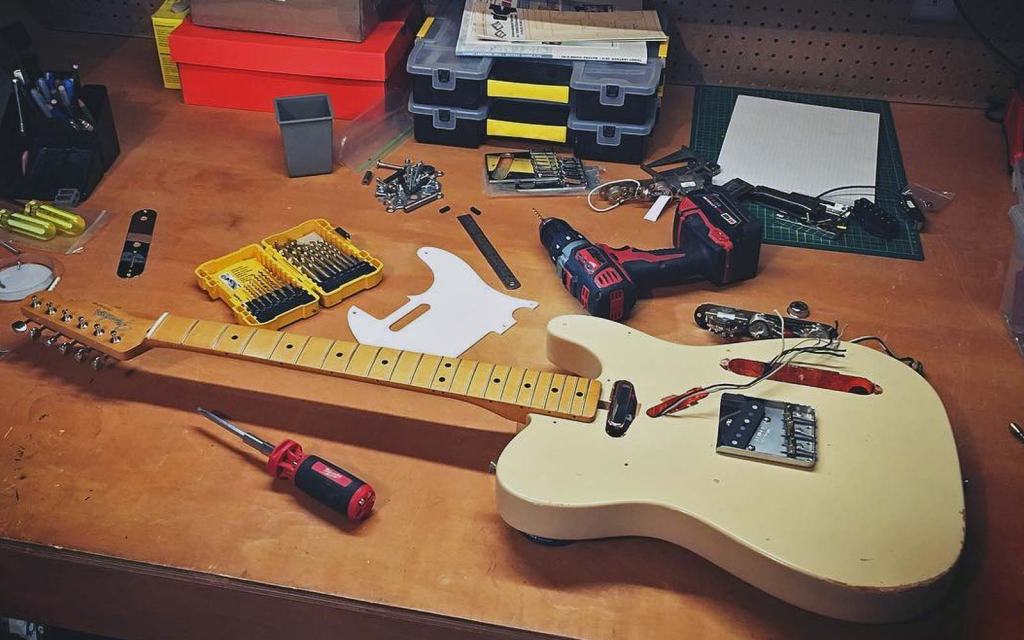
There’s something uniquely satisfying about taking a budget guitar and transforming it into a high-performance instrument with your own hands. Not only can it save you money, but it’s also a deeply rewarding process that allows you to fully customize your guitar to your exact needs and preferences. You get to learn more about how your guitar works, and every upgrade makes the instrument feel more “yours.” But should you just buy a premium guitar from the start, or is upgrading a lower-cost model the smarter move? Let’s dive into why a project guitar might be your best bet.
Why it Makes Sense to Upgrade a Cheaper Guitar
For many guitarists, buying a premium guitar right off the bat may not be financially realistic, especially when prices for high-end instruments can easily hit thousands of dollars. If you’re on a tighter budget but still want a quality instrument, finding a cheaper guitar with good woods and a solid neck is a great alternative. The magic of this approach is that it allows you to gradually upgrade the guitar with aftermarket parts as your budget and needs evolve. Instead of spending a huge amount upfront, you can buy a reasonably priced guitar and then invest in quality components over time.
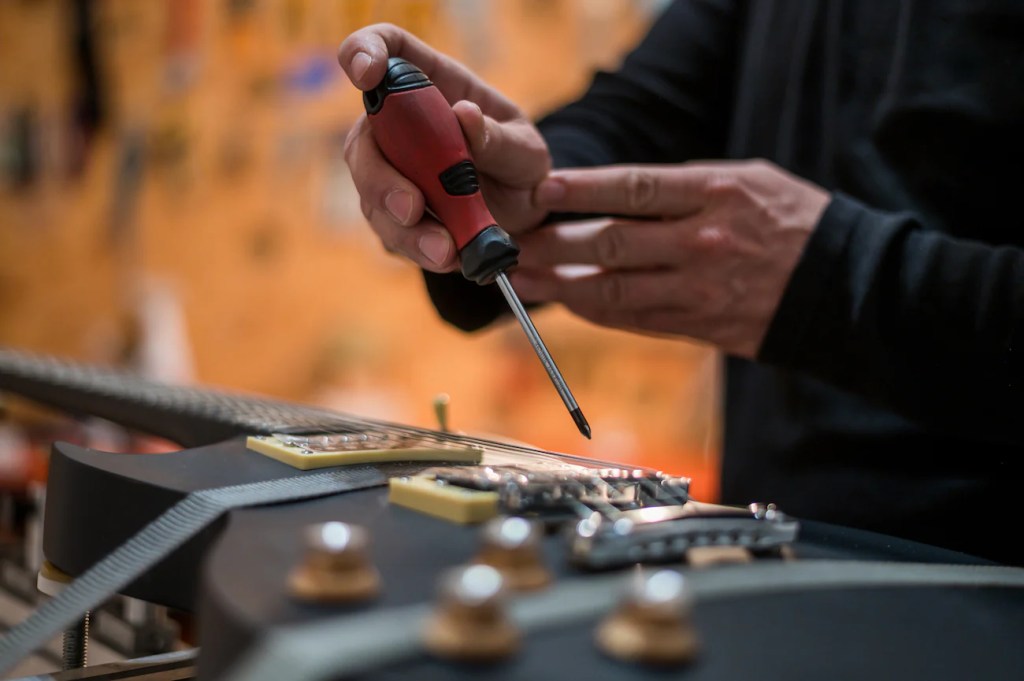
Plus, upgrading a guitar can be a really fun and educational experience. You’re not just swapping parts—you’re learning about the intricacies of tone, hardware, and playability. Each component you replace gives you more control over your instrument’s performance, and at the end of the project, you have a custom guitar built to your exact specifications.
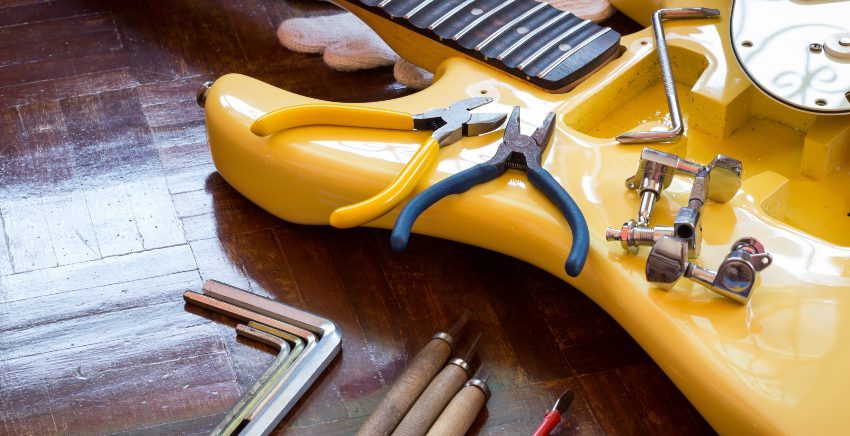
What’s Better? Buying a Premium Guitar or Upgrading a Budget One?
This really depends on what you’re looking for as a guitarist. If you’re after the convenience and craftsmanship that comes with premium guitars—high-quality components, factory setup, and brand prestige—then it might make sense to save up and invest in a top-tier instrument. These guitars are usually crafted to perfection and are ready to play right out of the box.
However, if you’re the type of person who enjoys the hands-on process and values customization, then starting with a well-made but budget-friendly guitar and upgrading it can be more rewarding. Not only will you end up with a custom instrument, but you’ll also have the experience of making it your own. Plus, you’ll likely save money compared to buying a premium guitar with similar specs.
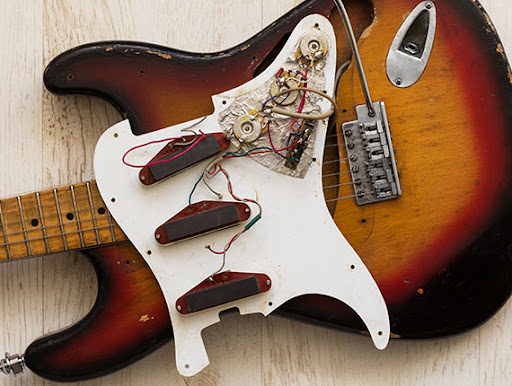
Pros and Cons of Upgrading a Budget Guitar
Pros:
- Cost-Effective Entry: A lower-priced guitar with good woods and a solid neck provides an excellent base for upgrades, often at a fraction of the cost of premium guitars.
- Customization Freedom: By upgrading components such as tuning pegs, pickups, bridges, and electronics, you can shape the guitar to fit your style and tonal preferences. Whether you want more sustain, better tuning stability, or a punchier sound, aftermarket parts allow for endless tweaking.
- Learning Curve: One of the biggest benefits is the learning experience. You’ll gain hands-on knowledge of how a guitar works, how to install new parts, and how different components affect tone and playability. This makes you a more informed and versatile player.
- Increased Playability: Replacing basic factory parts with high-end components (such as locking tuners, custom pickups, or a precision bridge) can elevate the guitar’s playability and tuning stability.
- Improved Tone: Upgrading stock pickups to high-quality aftermarket ones can drastically improve your guitar’s sound, often bringing it to the level of guitars costing two or three times as much.
- Personal Connection: You’ll develop a deeper connection with the guitar because you’ve spent time personalizing and improving it. There’s a sense of pride and ownership that comes from building something yourself.
Cons:
- Cost Over Time: While upgrading a cheaper guitar spreads out the investment, the cost of aftermarket components can add up quickly. If you replace everything from the pickups to the tuners to the bridge, the total investment might rival the cost of a mid-range guitar.
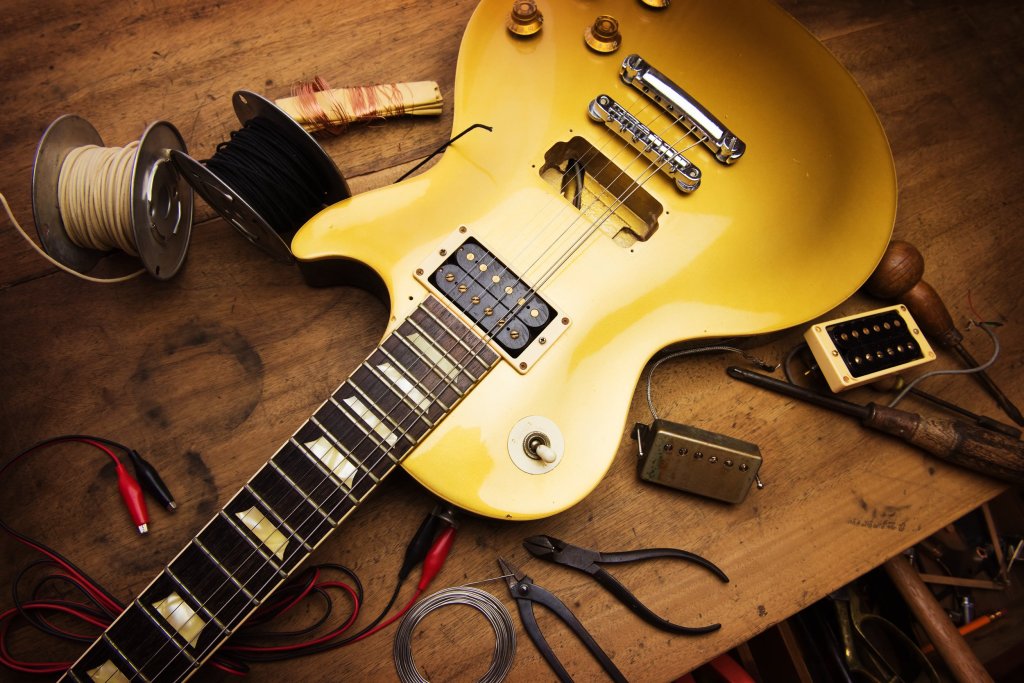
- Technical Skills Needed: Some upgrades, such as installing new pickups or electronics, may require soldering skills, a steady hand, and proper tools. If done incorrectly, these modifications can lead to issues like poor sound quality or playability problems.
- No Brand Prestige: Even after upgrading, the guitar’s resale value will likely remain limited by its original brand and model. A highly modified budget guitar, while great for you, may not hold much appeal in the used market compared to a known premium model.
- Inherent Limitations: Despite all the upgrades, you might eventually hit the ceiling on what a budget guitar can offer. If the neck or body has subtle flaws, even high-end components won’t fully unlock its potential.
Conclusion
Upgrading a cheaper guitar with good bones—quality woods, a solid neck, and decent craftsmanship—can be a highly rewarding project for any guitarist. Not only does it allow you to create a custom instrument tailored to your playing style, but it also saves money compared to buying a top-of-the-line guitar. While it comes with some challenges, such as the technical skill required for certain modifications and the cost of aftermarket parts, the learning experience and pride of ownership make it all worth it. For those who enjoy the process of personalizing their gear, starting with a budget guitar and upgrading it can be just as fun (if not more) than playing a premium model straight from the store.


Leave a comment