

Nailing the perfect tone is like the holy grail—a quest that often leads us down a rabbit hole of guitars, amps, pedals, and endless gear. And yes, tone is crucial. Having a variety of guitars lets you dial in the perfect tone for any genre—or even each song. I always think of Brian May with his trusty Red Special, but for the solo in “Crazy Little Thing Called Love,” he switches to a Telecaster for that classic Rock & Roll twang.
The Quest for Tone
Having multiple guitars lets you appreciate each one’s unique personality: the stunning wall hangers that rarely see daylight, the ones you reach for occasionally, and that one guitar you always keep close by. For me, while finding the right sound is key, the ultimate deal breaker is how comfortable a guitar feels in my hands.
Over four decades, after owning and trying countless guitars, I’ve come to appreciate the tonal nuances, the sustain, the twang, the differences between solid and hollow bodies, and the feel of a set-neck versus a bolt-on. Looks matter, too, as does a guitar’s historical significance. But, in the end, one thing rises above all: how comfortable the guitar feels to play.
The Importance of Comfort
You might have a fantastic-sounding guitar with incredible sustain and high-quality pickups, only to find that you rarely reach for it because the neck feels too thick, or no matter how much you adjust it, the action is always a bit too high or too low. The whole playing experience, in the end, just doesn’t feel quite right.

Honestly, that’s exactly how I feel every time I pick up a Stratocaster. I love that classic Fender sound, but I’m not a fan of the low-output pickups (which, to be fair, can be upgraded). For me, though, it’s more about the scale length, intonation, and overall feel—they just never seem quite right. Believe me, I’ve tried: Fender Strats from both the U.S. and Mexico, Squires from China and Indonesia, vintage styles, modern twists. And while I absolutely appreciate the contoured body and its comfort, somehow, the neck always feels off in my hands.
Check out my guide to neck profiles and you’ll find more information about this.
Personal Preferences
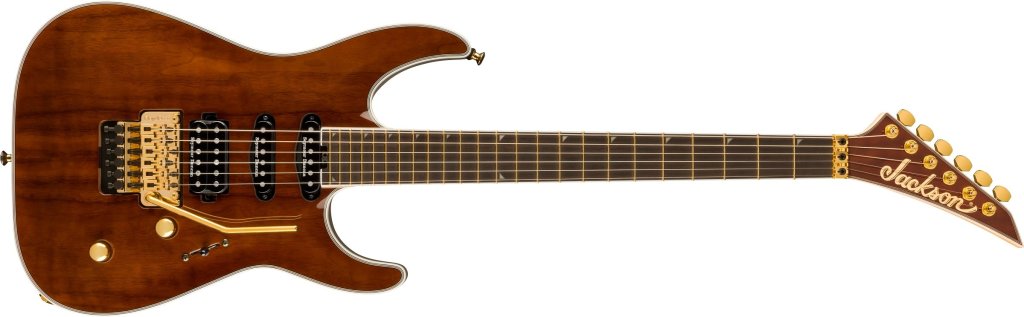
I’m no shredder, but my favorite guitars tend to be superstrats and modern interpretations of that classic Les Paul sound—without actually being a Les Paul. For instance, I love the comfort of my Jackson SLA3W, with its versatile setup of one humbucker and two single coils.
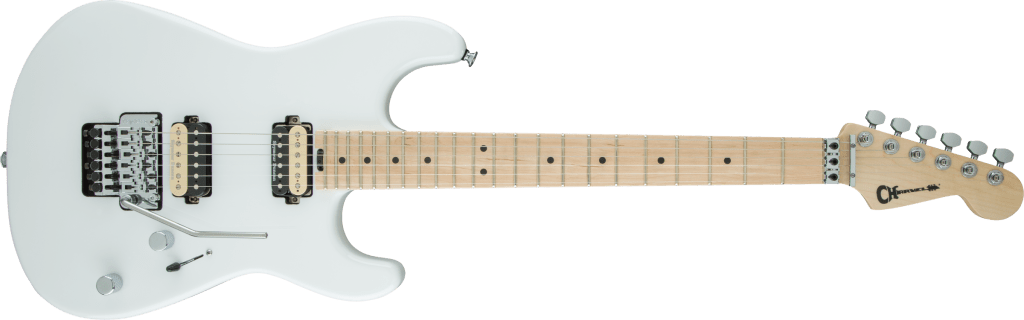
Then there’s the perfect neck on my Charvel San Dimas Pro Mod Style 1 HH FR; its twin humbuckers and coil-splitting make it incredibly versatile—though the upper fret access is a nightmare and my one gripe with an otherwise amazing guitar.
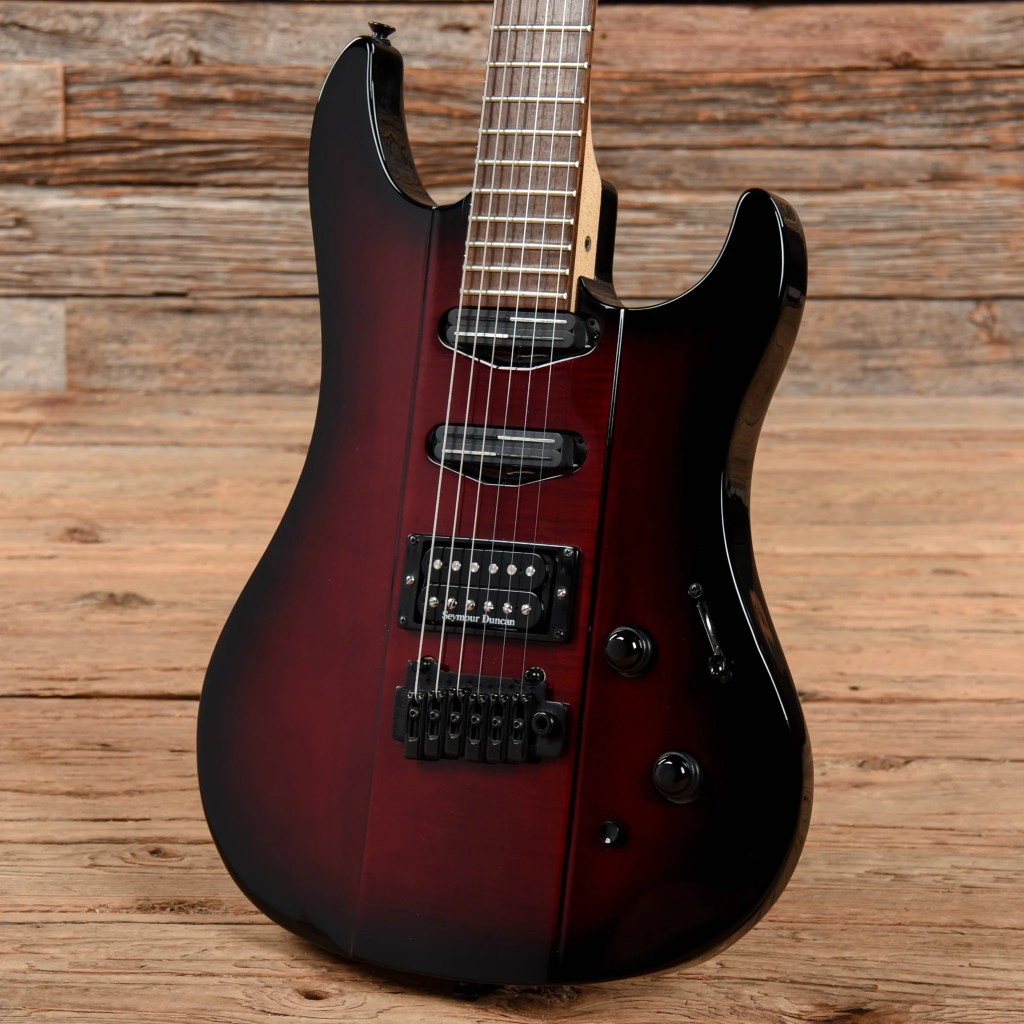
And then, my holy grail of comfort: my Yamaha RGX-TT. This now-discontinued gem is a true unicorn: lightweight, with a perfectly shaped body, a coil-splittable humbucker in the bridge, and two Seymour Duncan hotrails. The neck is just right, a balanced Soft C-shape—not too thin, not too chunky—and, after two decades of playing, the satin finish has become that smooth, slightly oily feel from years of wear. With stainless steel frets, a solid Wilkinson bridge, and locking tuners, it handles everything from dive bombs to subtle whammy action, even without a Floyd Rose. And while I’m often reaching for the newest addition to my collection, the Yamaha RGX-TT is always close by, a constant companion and contender for my all-time favorite.
Key Takeaways
So, what’s the takeaway here? What advice do I want to share? When trying out a guitar at the store, check for the usual essentials: sustain, construction, fretwork, pickups. But in my experience, the most crucial aspects are the looks—yes, it sounds a bit vain, but you should genuinely love the sight of your guitar—and, even more importantly, how comfortable it feels, especially the neck. Pay attention to your first impression. If something about the feel jumps out, whether good or bad, take note of it, because “getting used to” a guitar is often wishful thinking; if it feels awkward from the start, it’ll likely stay that way.
The Importance of Setup While Buying
If the store allows it, request a setup for the guitar you’re considering before making your purchase. I can’t tell you how many times I’ve thought, “This sounds great and seems solid; with a proper setup, it could really shine.” But then I take it home, only to discover something feels off. As weeks go by, it ends up collecting dust until I’ve practically forgotten it. So, if the store offers to set it up for you, focus on how it feels in your left hand (or right, if you’re left-handed). Spend quality time getting a genuine feel for the guitar rather than just adjusting amp settings or showing off your best riffs to the salesperson or the teenage shredder next to you. They don’t care about you, believe me! If the guitar feels really comfortable you are in the right track.

Take your time. Tell the salesperson, “I’d love to spend a little more time with this guitar. Mind if I keep playing? I’ll come find you if I have questions.” And play it as long as you can. If it doesn’t feel right, don’t buy it—try something else. Better yet, if you really like it, leave a deposit and come back a couple of days later. If it still feels like “the one,” pay the rest and take it home.
Conclusion
In the end, finding the right guitar is a personal journey, one that goes beyond tone, specs, or brand names. It’s about the connection you have with the instrument—how it feels and inspires you to play. Don’t settle for something you only think will grow on you; choose a guitar that feels like it’s already a part of you. Whether it’s a classic model, a modern take, or a custom build, the right guitar is the one you’ll reach for time and time again. No matter how beautiful or great-sounding a guitar may be, if you never play it, it’s likely because it’s not your most comfortable guitar. So take your time, trust your instincts, and enjoy the journey. After all, the perfect guitar isn’t just an instrument; it’s an extension of your creative self, ready to push you toward new horizons.

 oscaronguitars.com
Leave a comment