

Hey, fellow guitarists! I want to tackle an important question: Does your gear really make a difference? If you upgrade to a better rig, does it actually make you a better guitarist?
In my experience, having a great rig (a solid guitar and a superb amp) doesn’t automatically make you a better guitarist. But, in fact, playing on a poor guitar and a lousy amp can actually hinder your progress. But why is that? Let me explain.
The Power of Inspiration: How Mental Clarity Drives Guitar Mastery
Guitar playing isn’t just about nimble fingers and strong hands—it’s a mental game too. Your fingers can’t play what your brain hasn’t fully processed. If your mind doesn’t know the song inside out, your hands won’t magically bring it to life. On the flip side, when your brain is clear on what to play, it guides your fingers with precision. And how does the brain master this process? By focusing on what it finds enjoyable and engaging. Simply put, inspiration is the key to learning and progress.
The Struggles of Starting with a Low-Quality Guitar
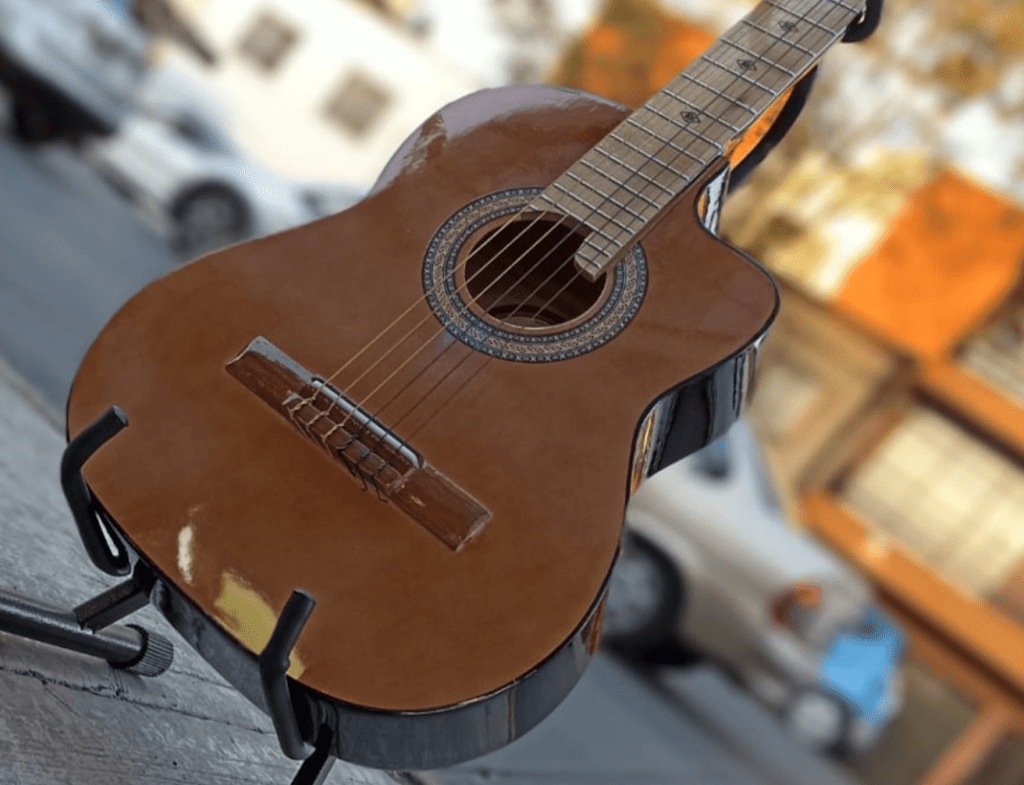
Playing a low-quality guitar can be incredibly frustrating, especially for a young player. Even seasoned professionals would struggle to make a cheap, poorly made instrument sound good right off the bat. Sure, some players power through these challenges with determination, but it’s not easy. I remember when I was 17, my mom bought me my first guitar, and it was ridiculously cheap—about $50 USD today, probably even less back then. The action was absurdly high, the frets were terrible, and the sound was awful. Eventually, the guitar was destroyed in an accident at school, and I got rid of it. But, looking back, I sometimes regret that decision. I wonder if it was as bad as I remember—or worse. I wasn’t alone; many from my generation had to start out with instruments that were, frankly, terrible. Some of us pushed through, but many others were, unsurprisingly, discouraged. A difficult instrument can build resilience, but it also risks turning you off from playing altogether.
The Disheartening Reality of Playing Through a Poor Amp
Then there was the amp. I’ll never forget the first time I plugged into an electric guitar. It was in an abandoned garage at a guitar shop, and the amp was a cheap, unbranded mess paired with a similarly bad guitar.

I was hoping to hear something powerful—maybe the raw energy of Hendrix or Blackmore—but what came out of that amp was the most horrendous sound I’ve ever experienced. I was stunned. How could something sound this awful? Wasn’t this supposed to be loud, exciting, and powerful? It wasn’t until years later that I truly understood the importance of tone and realized that overdrive and distortion were crucial for achieving that rock sound. Today, with a better grasp of clean tones like funk, I could probably make something more tolerable. But back then? It was a total letdown. That experience definitely didn’t help my motivation.
Why a Subpar Rig Can Crush Your Motivation to Play
The biggest problem with a subpar rig is that it can completely kill your motivation to play. When your gear isn’t up to par, you lose focus and the enthusiasm that drives you to improve. And let’s be honest, motivation and inspiration are what really matter when you’re learning the guitar. You don’t just want to play the songs your heroes do—you want to sound like them, too. But here’s the catch: a cheap, low-quality rig won’t get you anywhere near that sound.
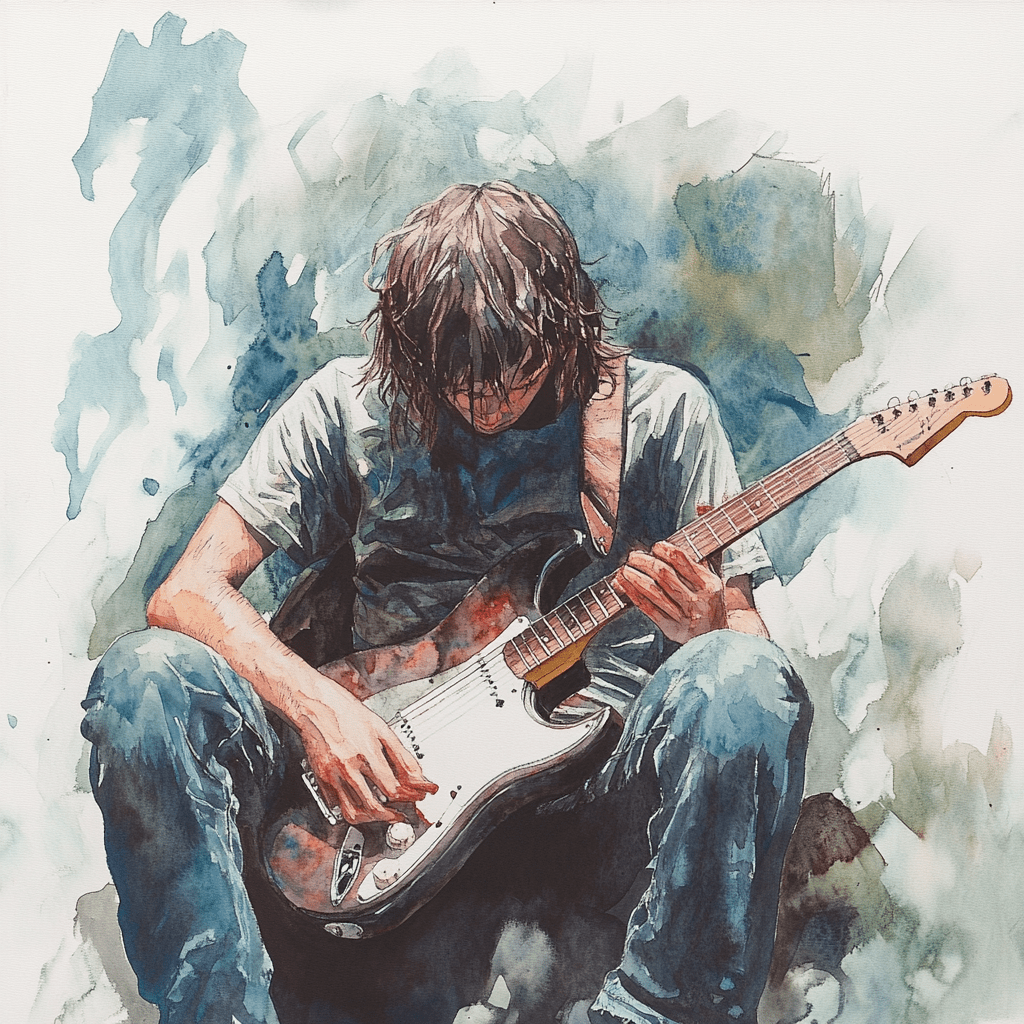
A subpar guitar setup can not only hold back your progress as a guitarist, but it can also demotivate you to the point where you might even give up on playing altogether. But thank goodness, times have changed. Today, for just $250, you can get a guitar that’s not only playable but also inspiring. For a beginner, saving a few hundred bucks is well worth it. Brands like Yamaha, Ibanez, Squier, and Epiphone are offering fantastic guitars at great prices.And trust me, today’s budget guitars are lightyears ahead of the cheap instruments from 40 years ago.
How Quality Gear Can Boost Your Motivation and Progress
But that brings us back to the original question: can upgrading to a better guitar actually make you a better guitarist?
The answer is both yes and no. After a few weeks of self-teaching, I found an ad in the local paper for Jazz, Blues, Rock, and Improvisation guitar lessons. It caught my eye immediately, and I thought, “This is exactly what I need!” That’s when I met Daniel Soria, a fantastic teacher who guided me despite my lack of skill. At the time, I was using a cheap classical guitar—something common in Mexico back then, especially with the popularity of Trio music, like boleros and música ranchera. But Daniel’s guitars were something else entirely—Brazilian-made, luthier-crafted instruments with the finest tonewoods. Those guitars were magical. The sound was so rich and resonant that I could feel the vibrations deep in my body, and the tone was perfectly balanced, with warm lows and clear highs. I couldn’t wait to get to class, not only to learn but to play those beautiful guitars. The jazz chords Daniel taught me seemed to come alive in those instruments.

However, when I went home, I was reminded of the harsh reality of my own guitar. My mom had said, “I’ll buy you this one, but if you keep playing it and improving, maybe I’ll get you something better.” After six months of lessons, I finally convinced her to buy me a guitar that one of my classmates was selling. It was endorsed by my teacher, and to this day, I still own it, thinking, “Wow, this guitar is really good!”
The Impact of Upgrading Your Gear on Tone and Motivation
The takeaway here is that a better guitar doesn’t just improve your comfort—it truly enhances the sound quality. You’ll notice a significant difference in tone right away. If you’re going electric, your amp plays a crucial role too. The good news is that there are affordable options for beginners, like the Boss GT-1 pedal unit, which I’ve reviewed here. If you’re on a tighter budget, you can start with free amp simulators like AmpliTube CS. This version offers excellent amp simulation and a full range of effects. Pair that with a solid, affordable guitar, and you’ll have all the tools you need to stay inspired and motivated to keep playing.
Conclusion
A good rig does more than just improve your playing—it becomes the essential gear that inspires and motivates you to elevate your precision, timing, note clarity, and dexterity every day. From my experience, you don’t need an expensive setup to enhance your enjoyment; even a decent rig can make a huge difference. And ultimately, that’s what guitar playing is all about—finding joy in the process and in the sound you create.
 oscaronguitars.com
Leave a comment