
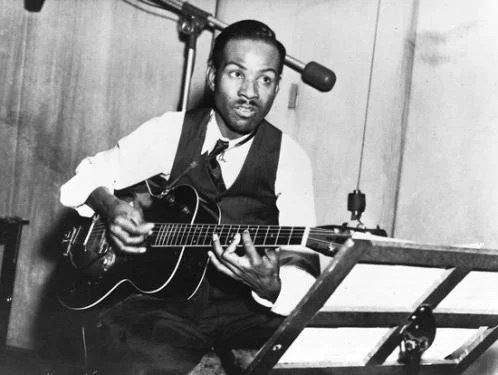
Eddie Durham, a name that may not be as widely recognized as some of his contemporaries, played a pivotal role in shaping the sound of jazz guitar and big band music. Born on February 19, 1906, in San Marcos, Texas, Durham’s innovative approach and exceptional skills set him apart as one of the earliest influential figures in jazz guitar history. This article explores his life, contributions to music, notable works, and lasting influence on the jazz guitar scene.
A Journey Through Eddie Durham’s Life
Eddie Durham grew up in a musically inclined family, which nurtured his passion for music from an early age. He began playing guitar at 14 and was later drawn to the world of jazz, captivated by the vibrant rhythms and improvisational elements. Durham’s early career took him through various orchestras and bands, where he honed his skills as both a guitarist and arranger.
In the late 1920s, he joined the famous band of Count Basie, where he became the first guitarist to gain national recognition in a big band context. This marked a significant shift in the perception of the guitar, showcasing its potential as a lead instrument rather than just a supporting role in jazz ensembles.
Contributions to Music
Durham was not just a guitarist; he was also a prolific arranger and composer. His arrangements for big bands, particularly for Count Basie and Jimmie Lunceford, helped to define the sound of the era. One of his most notable contributions is the arrangement of “One O’Clock Jump,” which became one of Basie’s signature pieces.
His compositions, such as “Topsy” and “In the Mood,” showcase his ability to blend complex harmonies with catchy melodies, making them popular among musicians and audiences alike. Durham’s innovative use of guitar techniques, including chord voicings and rhythmic patterns, laid the groundwork for future jazz guitarists.
Notable Works
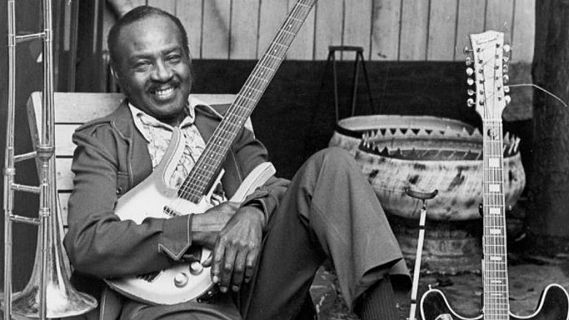
Eddie Durham’s discography is a testament to his talents. While many of his arrangements became standards, some of his standout recordings include:
- “Eddie Durham’s New York Band”: This album showcases his incredible arranging skills and features some of his original compositions, highlighting his style and creativity.
- “Guitar Solo”: This track reflects his innovative approach to the guitar, blending traditional jazz elements with a unique flair that was ahead of his time.
- “Topsy”: This composition became a jazz standard, covered by numerous artists over the decades, illustrating Durham’s lasting impact on the genre.
Influence on Jazz Guitar
Eddie Durham’s influence on jazz guitar cannot be overstated. He was among the first to elevate the guitar’s status in jazz music, paving the way for future guitarists like Charlie Christian and Wes Montgomery. His innovative techniques and arrangements encouraged musicians to explore the guitar’s full potential, blending improvisation with complex harmonies.
Durham’s legacy continues to resonate with modern jazz guitarists, who draw inspiration from his pioneering work. His contributions helped shape the guitar as a leading instrument in jazz, establishing a foundation for generations of musicians to come.
Conclusion
Eddie Durham’s contributions to jazz and guitar are often overlooked, but his influence is undeniable. As a groundbreaking guitarist, arranger, and composer, he played a significant role in the evolution of jazz music. His ability to blend innovation with tradition set a standard for future generations, ensuring that his legacy will live on in the annals of jazz history. For those who appreciate the intricacies of jazz guitar, Eddie Durham remains an essential figure whose music continues to inspire and captivate.
 oscaronguitars.com
Leave a comment