
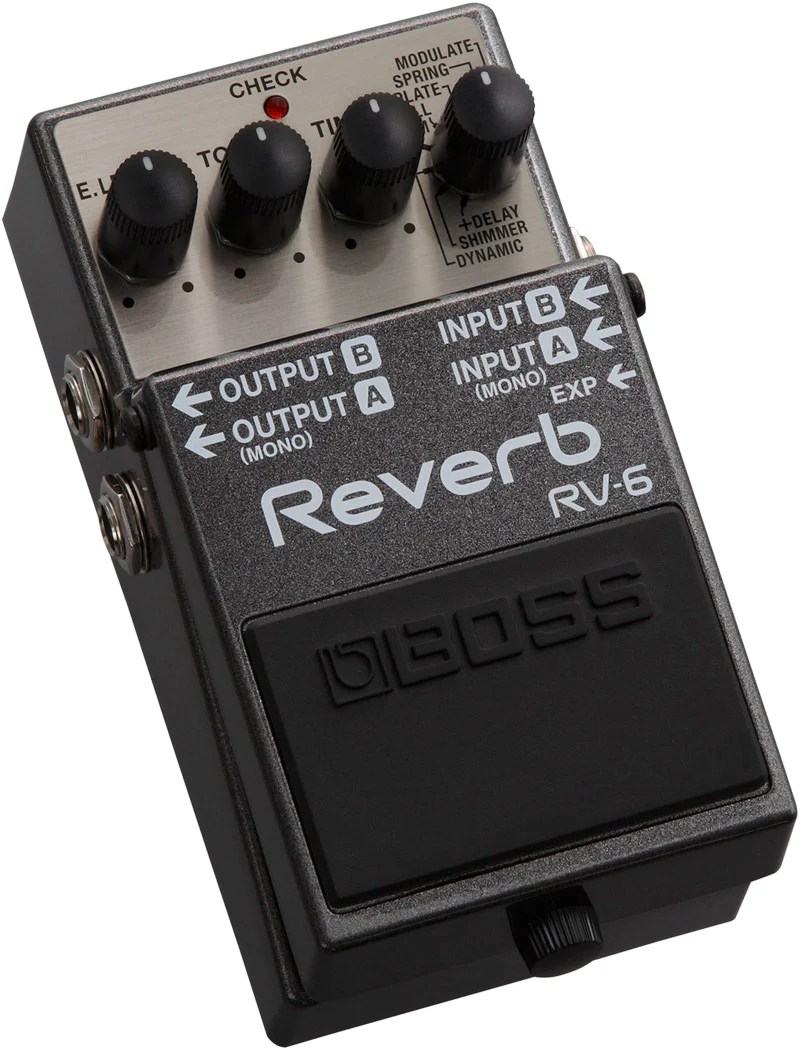
Hey there, guitar enthusiasts! If you’ve ever wondered how to make your guitar sound richer, more spacious, or even ethereal, then you’ve already been touched by the magic of reverb. Reverb is one of the most important effects in a guitarist’s arsenal, shaping the way we perceive space and depth in music. Whether you’re after the subtle ambience of a small room or the expansive echoes of a grand cathedral, reverb can transform your playing in countless ways. Let’s dive deep into the world of guitar reverb and explore everything you need to know to master this essential effect.
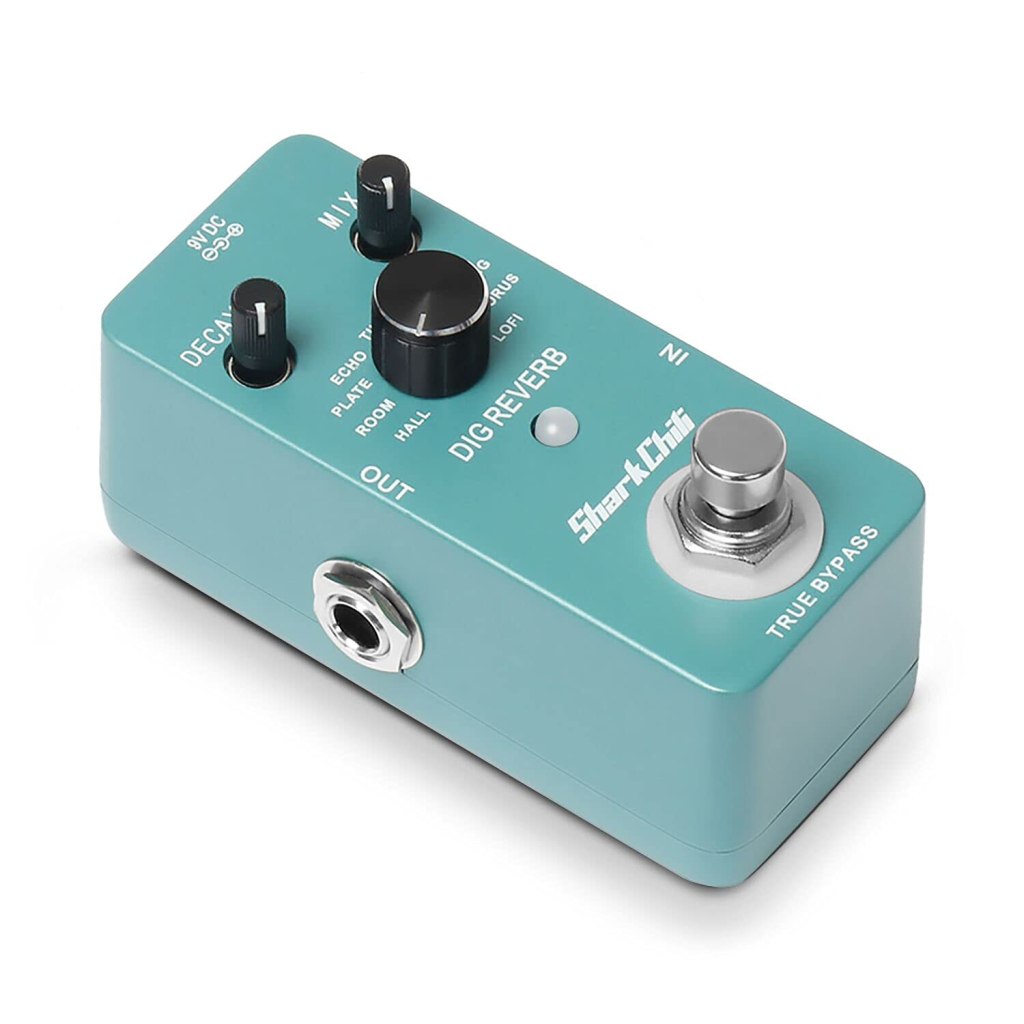
What Is Reverb?
Reverb, short for reverberation, is the natural reflection of sound waves off surfaces in an environment. When you play your guitar in a room, the sound waves bounce off the walls, floor, and ceiling, creating a series of reflections that reach your ears at different times. This complex mixture of direct and reflected sound waves gives us the sense of space—whether it’s a small, intimate room or a vast, open hall.
In a reverb effect, this natural phenomenon is simulated electronically or digitally, allowing you to add reverb to your sound regardless of the physical space you’re in.
The Science of Reverb
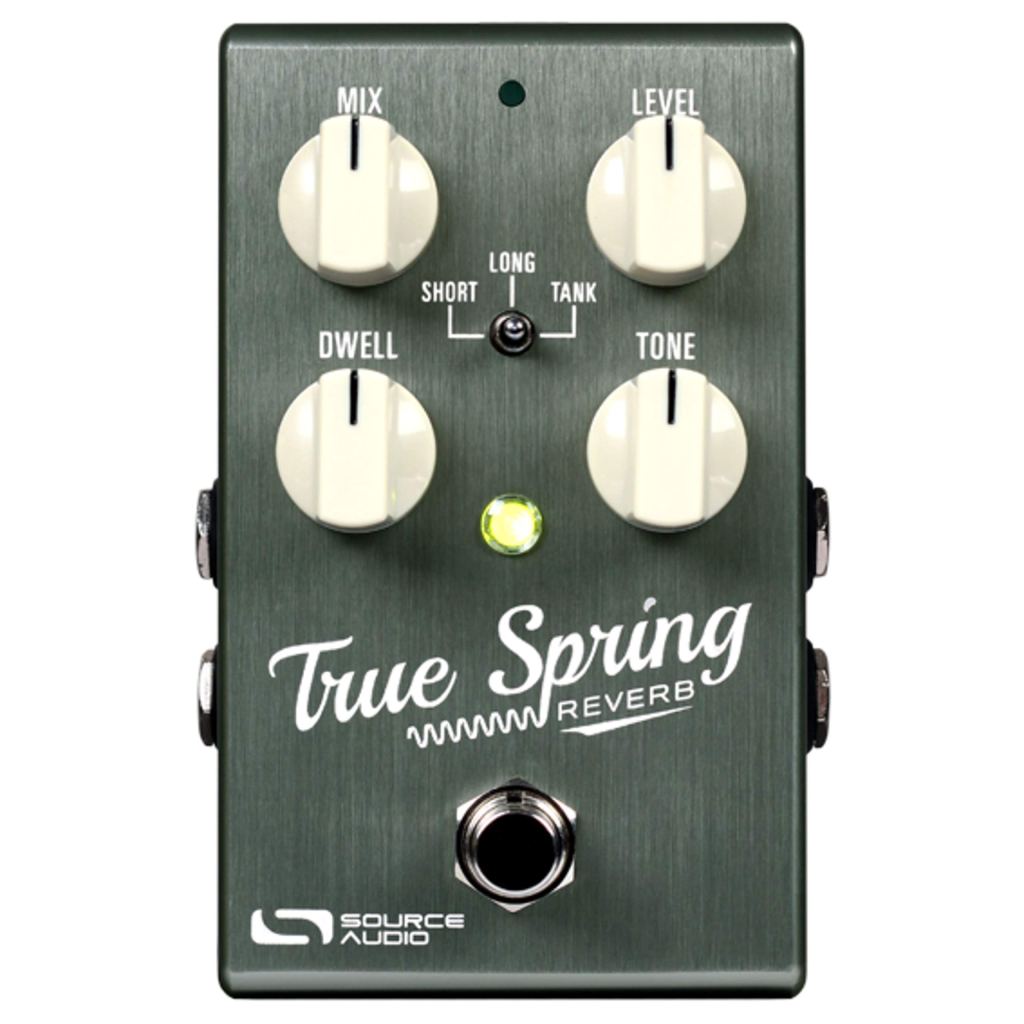
To truly understand reverb, it’s helpful to know the basic components that make up this effect:
- Early Reflections: These are the first echoes that reach your ears after bouncing off nearby surfaces. They occur quickly and are typically more distinct than later reflections.
- Reverberation Tail: This is the collection of echoes that occur after the early reflections, gradually fading out. The reverb tail creates the sense of the size and nature of the space.
- Decay Time: Also known as reverb time, this refers to how long it takes for the reverberation tail to fade to silence. A longer decay time creates a more spacious and echoey sound, while a shorter decay time is tighter and more controlled.
- Pre-Delay: This is the brief delay between the original sound and the onset of the reverb. A longer pre-delay can help create a sense of distance, while a shorter pre-delay makes the sound feel more immediate.
- Diffusion: This controls how the reverb energy spreads over time. High diffusion makes the reverb sound smoother and denser, while low diffusion creates a more granular, distinct echo pattern.
- Density: This refers to the number of reflections in the reverb tail. High density means more reflections, resulting in a richer, thicker reverb, while low density allows for more distinct echoes.
Types of Reverb
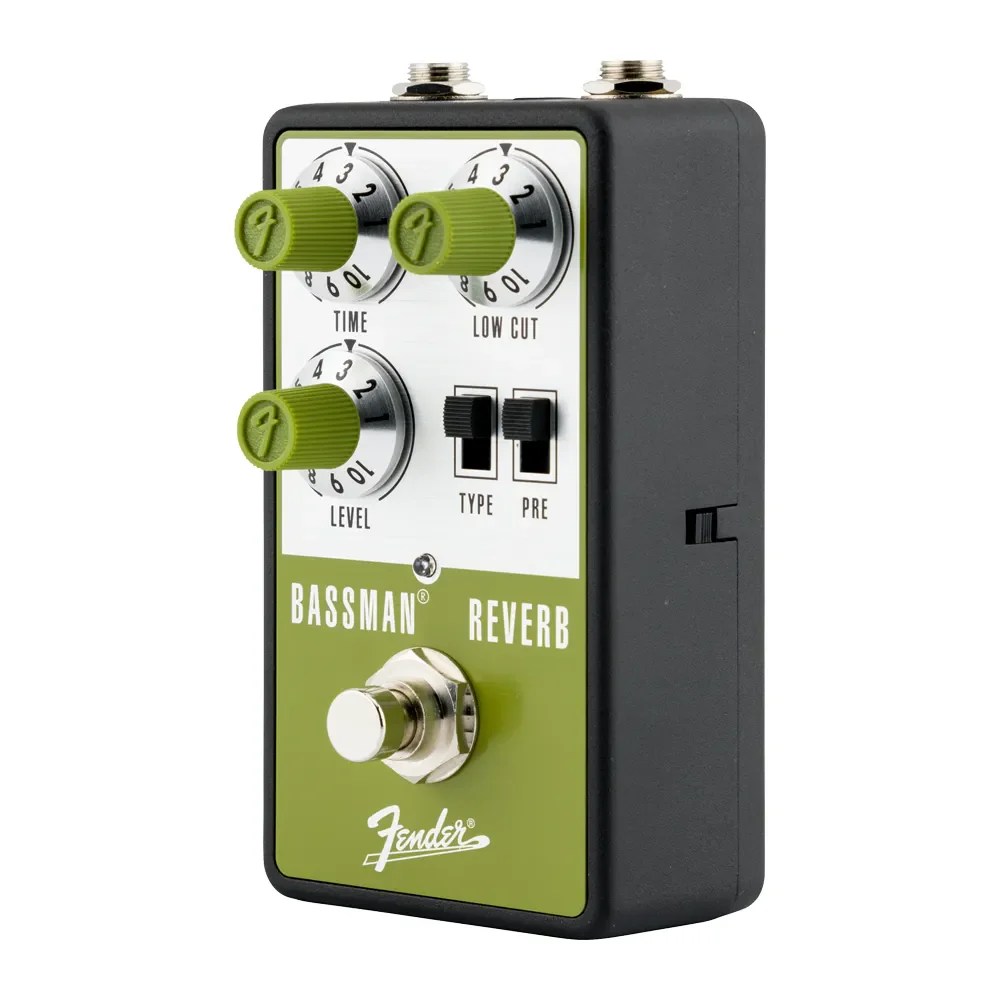
There are several types of reverb effects, each with its own character and application. Let’s explore the most common ones:
- Room Reverb: Room reverb simulates the sound of a small to medium-sized room. It’s great for adding subtle ambience and making your sound feel more natural without overwhelming it. Room reverb is often used to give recordings a sense of space without making them sound distant.
- Hall Reverb: Hall reverb mimics the sound of large, open spaces like concert halls. It’s characterized by a longer decay time and a lush, expansive sound. Hall reverb is perfect for adding depth and grandeur to your playing, making it ideal for ballads, orchestral pieces, or any music where you want a big, immersive sound.
- Plate Reverb: Plate reverb was originally created by vibrating a large metal plate to produce reverb. The resulting sound is smooth and dense, with a relatively fast decay. Plate reverb is popular for its warm, musical quality, making it a go-to for vocals, lead instruments, and classic rock guitar tones.
- Spring Reverb: Spring reverb uses actual springs to create the reverb effect. It has a distinctive, somewhat metallic sound with a pronounced “sproing” characteristic. Spring reverb is synonymous with surf rock and vintage guitar tones, often found built into classic guitar amps.
- Chamber Reverb: Chamber reverb was traditionally created by placing a speaker and microphone in a reverberant room or chamber. The sound has a rich, natural quality with plenty of warmth and character. Chamber reverb is versatile and can be used to add depth to almost any instrument.
- Cathedral Reverb: Also known as church or cathedral reverb, this type simulates the sound of large, reflective spaces like cathedrals. It has a very long decay time and a massive, ethereal quality. Cathedral reverb is perfect for creating a haunting, otherworldly atmosphere.
- Gated Reverb: Popular in the 1980s, gated reverb features a short, abrupt decay, cutting off the reverb tail before it naturally fades out. This creates a punchy, dramatic effect that became a signature sound in rock and pop music of that era.
Reverb in Guitar Amplifiers
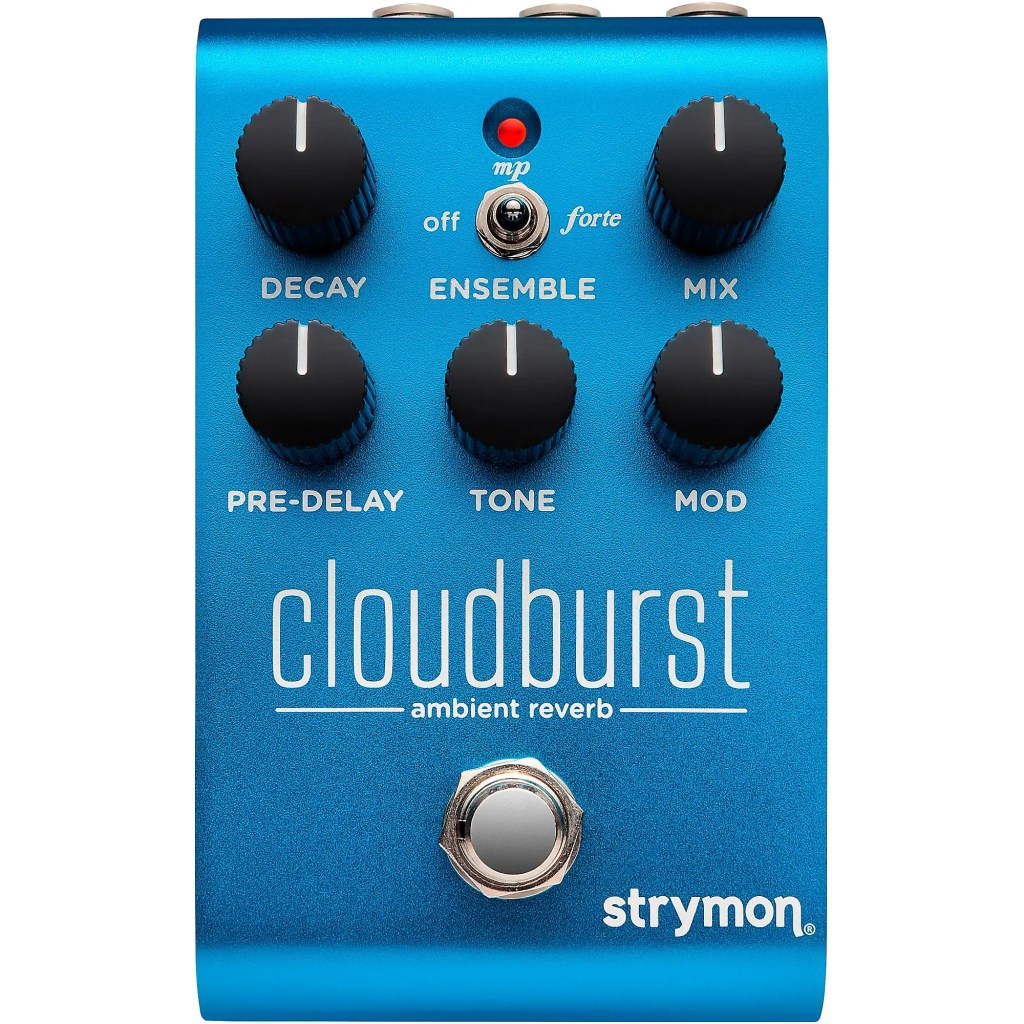
Many guitar amplifiers come with built-in reverb, most commonly spring reverb. This reverb is created by sending the guitar signal through actual springs in the amp, which then vibrate to produce the reverb effect. While built-in spring reverb offers a convenient and classic sound, it has its limitations in terms of versatility compared to standalone reverb pedals or digital units.
Reverb Pedals and Digital Emulations
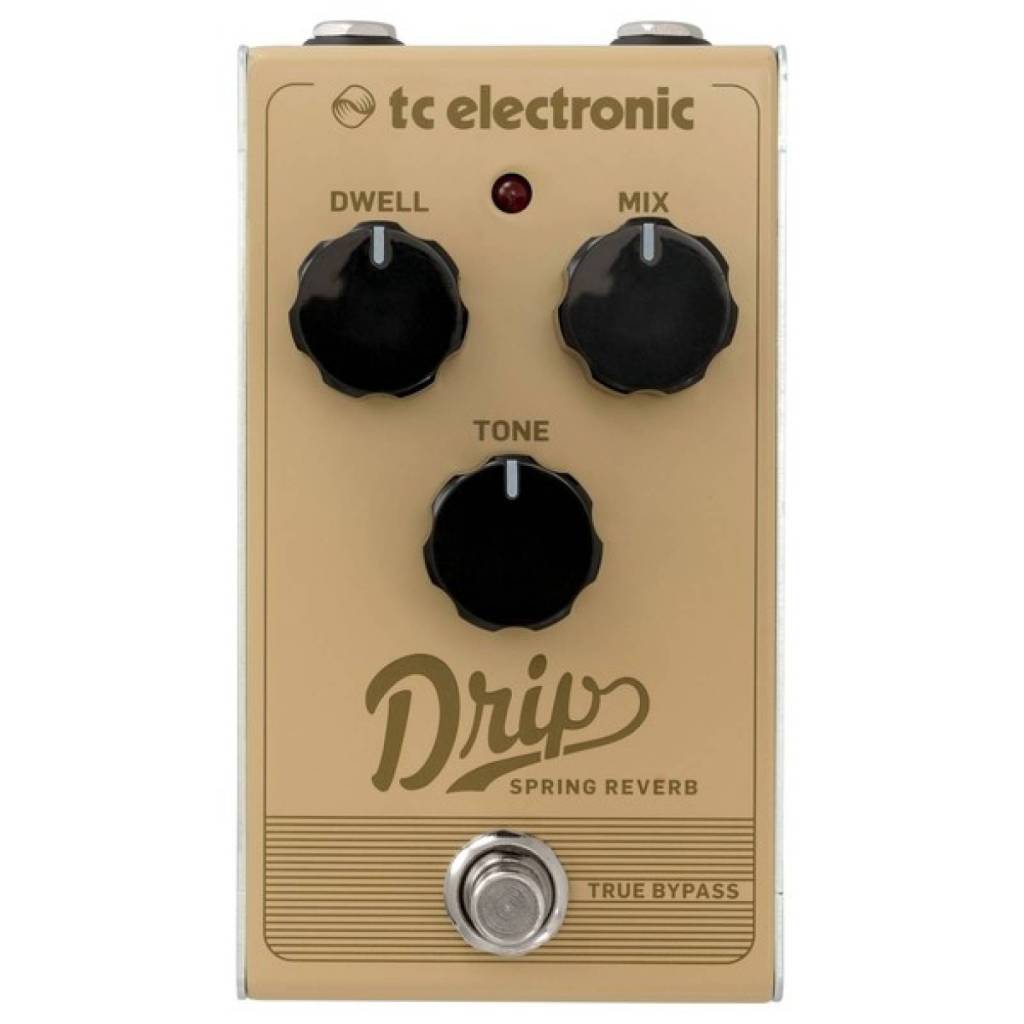
For guitarists seeking more control and variety in their reverb effects, reverb pedals and digital emulations are the way to go. Let’s explore the options:
- Analog Reverb Pedals: Analog pedals, especially those that emulate spring and plate reverb, offer warm, organic tones. They’re typically simpler to use but are limited in terms of variety compared to digital units.
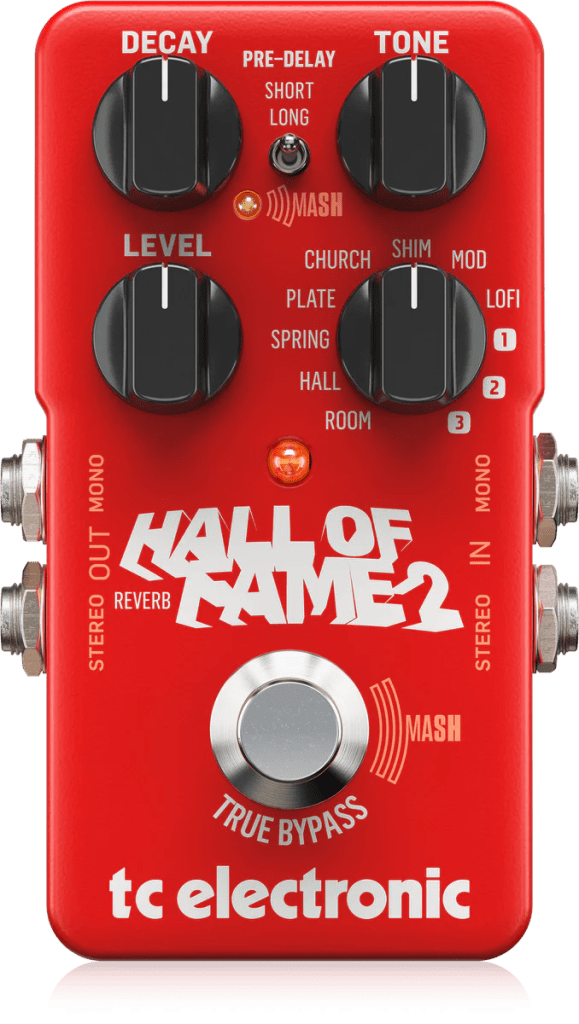
- Digital Reverb Pedals: Digital pedals offer a wide range of reverb types, often including room, hall, plate, spring, and more. They provide greater flexibility with parameters like decay time, pre-delay, and modulation, allowing you to tailor the reverb effect to your exact needs.
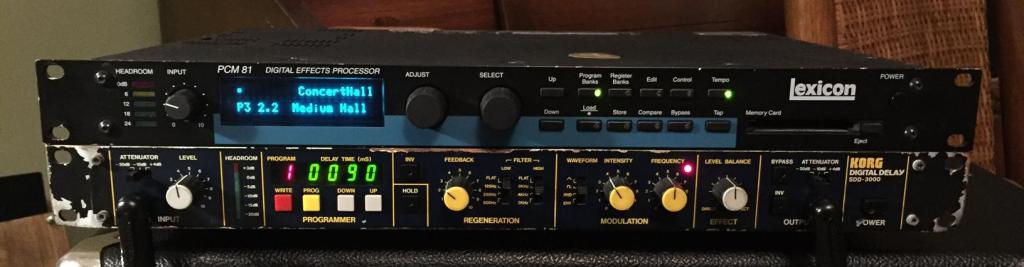
- Multi-Effects Units: Many modern multi-effects processors include high-quality reverb algorithms along with other effects. These units offer convenience and the ability to save presets, making them ideal for live performance and studio work.
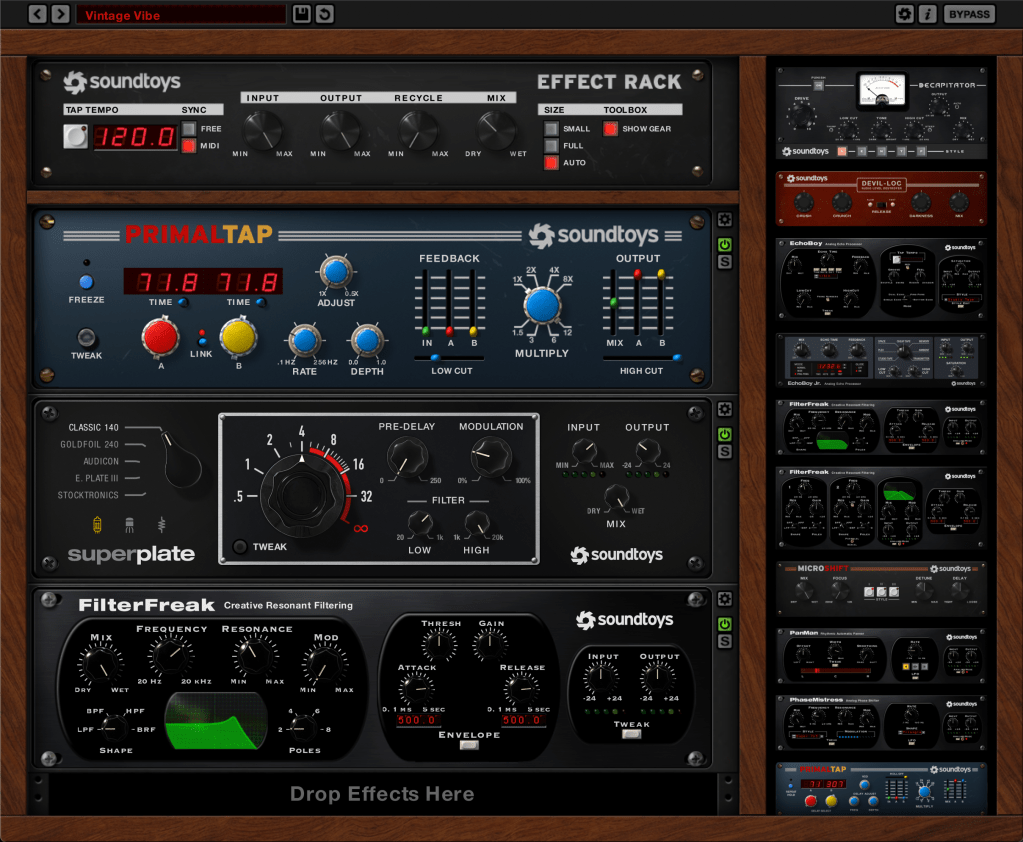
- Reverb Plugins: For recording guitar in a digital audio workstation (DAW), reverb plugins provide the most versatility. These software-based reverbs can replicate any physical space, from small rooms to vast cathedrals, and offer precise control over all reverb parameters.
How to Use Reverb Effectively
- Subtle Ambience: Use a small amount of room or plate reverb to add subtle ambience to your guitar tone. This makes your playing sound more natural and polished without overpowering the original signal.
- Depth and Space: For solos or lead parts, try adding hall or chamber reverb to create a sense of depth and space. This helps your guitar stand out in the mix while giving it a three-dimensional quality.
- Special Effects: Experiment with extreme settings, like long decay times or reverse reverb, to create unique, atmospheric sounds. Cathedral or large hall reverb can turn a simple chord progression into a haunting, immersive soundscape.
- Rhythm Guitar: When using reverb on rhythm guitar parts, be careful not to use too much, as it can muddy the sound. A touch of spring or room reverb can add character without sacrificing clarity.
- Mixing with Delay: Combining reverb with delay can create complex, layered effects. For example, a short delay followed by a lush reverb can give your sound a rhythmic pulse with a spacious trail.
Famous Examples of Reverb in Music
- The Edge (U2): Known for his extensive use of reverb and delay, The Edge’s guitar sound in songs like “With or Without You” creates a vast, echoing landscape that’s become a signature part of U2’s sound.
- David Gilmour (Pink Floyd): Gilmour’s use of plate and hall reverb on tracks like “Shine On You Crazy Diamond” adds depth and emotion to his solos, enhancing the atmospheric quality of Pink Floyd’s music.
- Dick Dale: The king of surf rock, Dale’s use of spring reverb defined the genre’s sound, with its dripping, splashy echoes that perfectly complemented his fast, staccato picking style.
- Jimi Hendrix: Hendrix’s use of reverb, particularly in live performances, helped create the swirling, psychedelic soundscapes that became hallmarks of his music.
Conclusion: Mastering the Reverb Effect
Reverb is much more than just an effect—it’s a vital tool for shaping the sound and feel of your guitar playing. By understanding the different types of reverb and how to use them effectively, you can add incredible depth, space, and character to your music. Whether you’re going for subtle ambience or massive, otherworldly sounds, reverb can take your playing to new heights.
 oscaronguitars.com
Leave a comment