
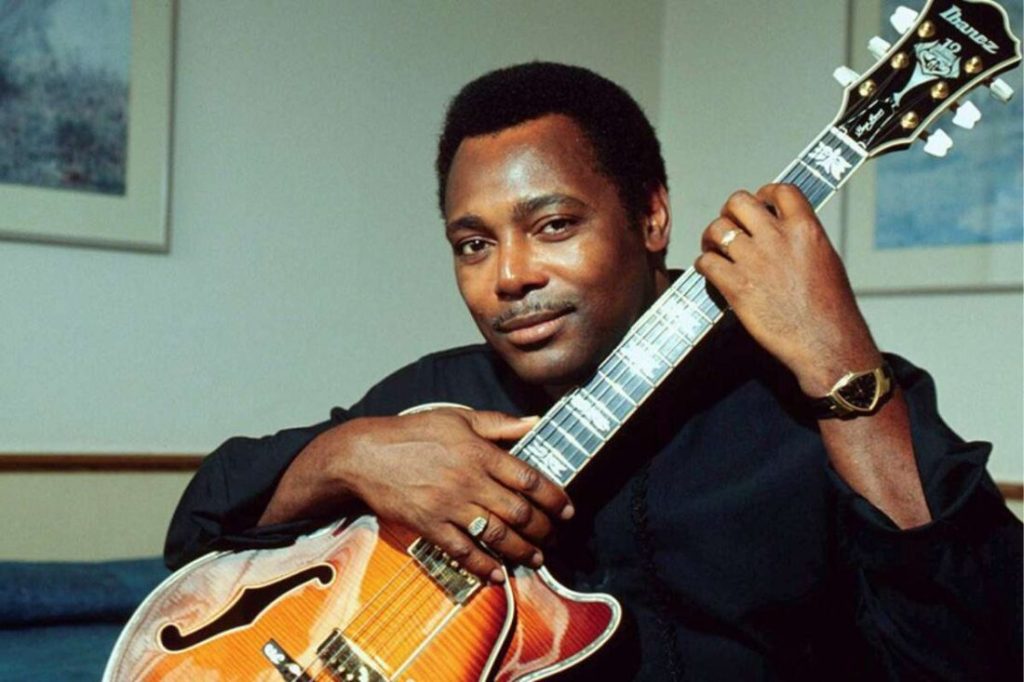
George Benson is a name synonymous with jazz guitar excellence, known for his virtuosic playing, smooth vocals, and infectious energy. His ability to seamlessly blend jazz, pop, and R&B has made him one of the most celebrated guitarists in the music world. In this article, we’ll explore Benson’s musical beginnings, the influences that shaped his style, his iconic albums and tracks, the gear that contributed to his signature sound, his essential techniques, and the lasting impact he has made on music.
How He Began
George Benson was born on March 22, 1943, in Pittsburgh, Pennsylvania. He grew up in a musical household, surrounded by various genres, but it was the jazz scene that caught his ear from an early age. Benson began playing the guitar at just eight years old, initially inspired by the sounds of his neighborhood and the music he heard on the radio.
His first forays into the music world included performing in local clubs as a teenager. By the time he was a young adult, he was already making a name for himself in Pittsburgh, but it was his move to New York City in the early 1960s that marked a turning point in his career. There, he connected with jazz greats and quickly became a prominent figure in the jazz community.
Who Were His Influences?
Benson’s influences are a fascinating mix of jazz, blues, and pop music. He cites guitar legends like Charlie Christian and Wes Montgomery as significant inspirations, both of whom shaped his approach to jazz guitar. Montgomery’s thumb-picking style and octave technique resonated deeply with Benson, influencing his fluid playing style.
In addition to these guitarists, Benson was also inspired by jazz vocalists like Billie Holiday and Nat King Cole, whose melodic phrasing found its way into his own vocal style. The blend of these influences has created a unique sound that sets him apart in the world of jazz guitar.
Iconic Albums and Tracks
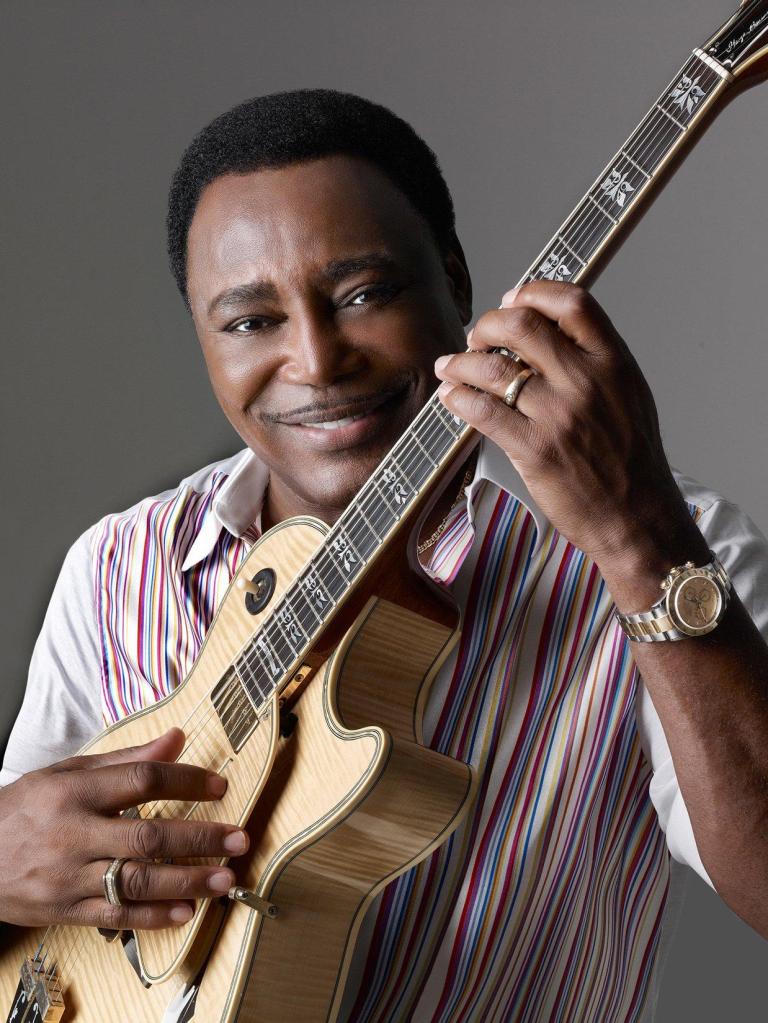
Benson’s career truly skyrocketed in the 1970s with the release of several iconic albums. One of his most celebrated works is “Breezin’” (1976), which features the hit title track and showcases his incredible guitar work combined with smooth vocals. This album was groundbreaking, as it helped to bridge the gap between jazz and pop, making jazz more accessible to a broader audience.
Other notable albums include “Weekend in L.A.” (1978), which features standout tracks like “On Broadway,” and “In Flight” (1977), both of which highlight his improvisational skills and musical versatility. Benson’s ability to blend intricate guitar solos with catchy melodies has made these records timeless classics.
Type of Guitar and Amp That Modeled His Tone
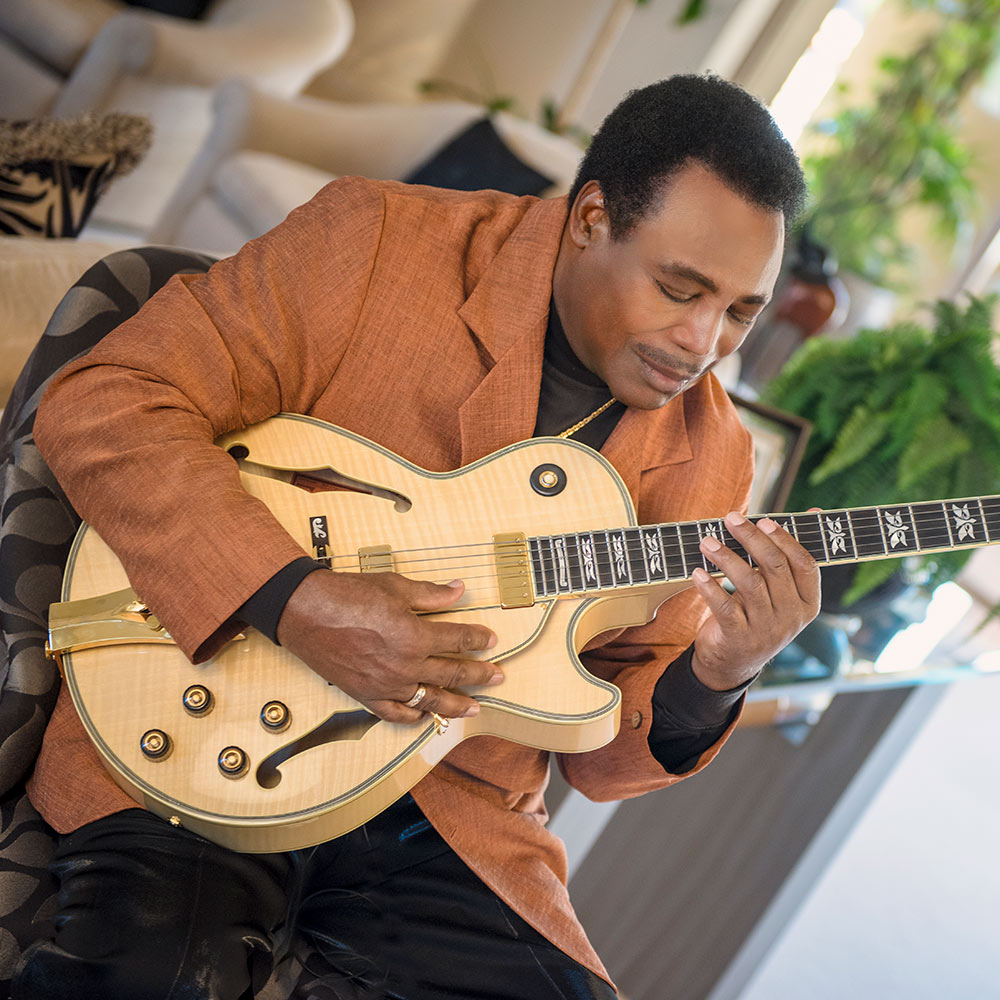
George Benson is famously associated with the Gibson L-5 archtop guitar, a choice that perfectly complements his smooth, warm tone. He often uses a humbucker-equipped guitar, allowing for a rich and full-bodied sound that enhances his melodic lines.
In terms of amplification, Benson has typically used Fender amplifiers, which provide the clarity and warmth needed to express his intricate playing style. The combination of the L-5 and Fender amps has been instrumental in developing his signature sound, characterized by its blend of jazz complexity and pop accessibility.
Important Technique: Use of Scales and Melodic Phrasing
One of the defining features of Benson’s playing is his mastery of scales and melodic phrasing. He skillfully incorporates chromaticism and arpeggios into his solos, creating a seamless flow that captivates listeners. His ability to construct intricate melodies on the spot is a testament to his deep understanding of music theory and improvisation.
Benson’s guitar playing is often interwoven with his vocal lines, creating a unique dialogue between the two. This technique not only showcases his incredible technical abilities but also his knack for storytelling through music, making each performance a memorable experience.
What Is His Legacy?
George Benson’s legacy is vast and profound. He has inspired countless guitarists across genres, demonstrating that jazz can be both technically intricate and broadly appealing. His ability to cross musical boundaries has opened doors for future generations of musicians, showcasing the guitar as a versatile instrument capable of expressing a wide range of emotions.
Benson has received numerous accolades throughout his career, including multiple Grammy Awards, highlighting his impact on the music industry. His blend of jazz, pop, and R&B continues to resonate, making him a beloved figure among music lovers worldwide.
Conclusion
George Benson is not just a master guitarist; he is a true innovator in the world of music. His unique sound, intricate techniques, and ability to connect with audiences have solidified his place in the pantheon of great jazz musicians. As we celebrate his contributions, it’s clear that Benson’s music will inspire and influence for generations to come.
Bonus Track: 10 Lesser-Known Facts About George Benson
- Benson began his music career as a child, performing in his neighborhood at just eight years old.
- He was a child prodigy, mastering the guitar without formal training.
- His first professional gig was at the age of 10, playing for local radio stations.
- Benson played with jazz legends such as Miles Davis and McCoy Tyner in his early career.
- He had a brief stint as a vocalist before fully committing to guitar, which greatly influenced his playing style.
- His album “Breezin’” was one of the first jazz albums to achieve multi-platinum status.
- Benson is known for his distinctive vocal style, often mimicking guitar phrases with his voice.
- He has worked with a variety of artists, including Stevie Wonder and Prince, showcasing his versatility.
- Benson is also a talented songwriter, contributing to many of his iconic tracks.
- He continues to tour and perform, inspiring new generations of musicians with his incredible talent.


Leave a comment