

Your guitar’s tuning pegs might seem like an afterthought, but they’re crucial to your sound. Whether you’re chasing perfect pitch or upgrading for stability, knowing your options is key to consistent playing and avoiding frustration mid-song.
Types of Guitar Tuners: What’s Out There?
1. Vintage-Style Tuners

Classic and stylish, these tuners are popular on older models like Strats or LPs. They use a split shaft where the string wraps neatly inside.
Pros:
- Authentic vintage aesthetic.
- Reliable for lighter gauge strings.
Cons:
- Less precise than modern options.
- Can be tedious to restring.
When to Upgrade: If you’re constantly slipping out of tune, consider modern replacements that mimic the look but add precision.
2. Sealed Gear Tuners
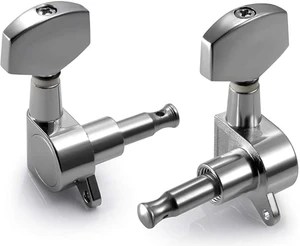
These are the standard on most mid-range guitars. Their enclosed design keeps dirt out, ensuring smooth operation over time.
Pros:
- Durable and low maintenance.
- Reliable for most players.
Cons:
- Heavier than vintage tuners.
- Not always the prettiest.
When to Upgrade: When your guitar doesn’t hold tuning despite fresh strings and proper setup, it’s time to switch.
3. Locking Tuners
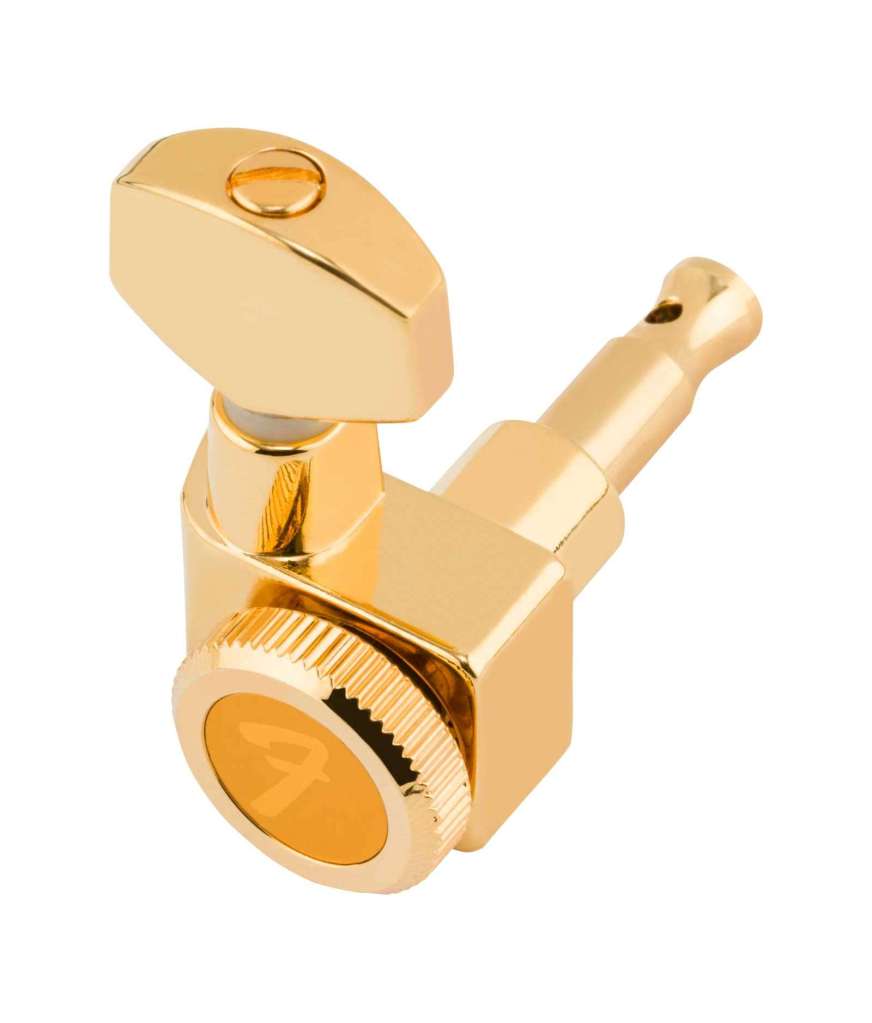
A favorite among modern players, locking tuners secure strings with a clamp, minimizing slippage and reducing restringing time.
Pros:
- Excellent tuning stability, especially for heavy tremolo use.
- Quick and hassle-free string changes.
Cons:
- Slightly heavier.
- More expensive.
When to Upgrade: If you’re using a whammy bar or play gigs regularly, locking tuners are a no-brainer.
4. Open-Gear Tuners
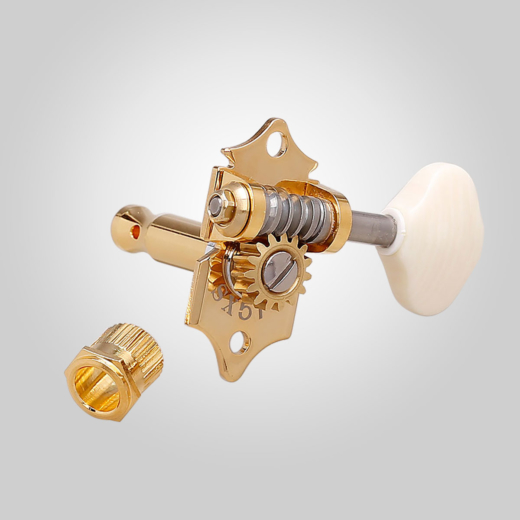
These have a vintage vibe but expose the gear mechanism, making them lighter and often preferred on acoustics.
Pros:
- Lightweight and aesthetically pleasing.
- Great for acoustic guitars.
Cons:
- Requires occasional lubrication.
- May not last as long as sealed options.
When to Upgrade: If your current tuners feel stiff or gritty when turned, a smooth set of open gears might be a game-changer.
Tips for Choosing and Upgrading Your Tuners
- Check Compatibility: Not all tuners fit all guitars. Measure carefully or consult your guitar’s specs before buying replacements.
- Gear Ratio Matters: Look for a higher gear ratio (like 18:1 or 21:1) for precise tuning control.
- Aesthetic Match: Ensure the tuner style complements your guitar’s look—vintage tuners on a shredder guitar might feel out of place.
- Budget Wisely: Locking tuners are fantastic but may not be necessary for players sticking to light strumming or studio work.
- DIY or Pro Install?: Replacing tuners is often a simple DIY project, but drilling new holes might warrant a professional’s touch.
Conclusion
Investing in quality tuners can elevate your guitar experience. Whether it’s the simplicity of locking tuners or the elegance of vintage styles, the right choice can mean the difference between frustration and flawless performance. Consider your playing style, guitar type, and budget when deciding if an upgrade is in your future.
 oscaronguitars.com
Leave a comment