
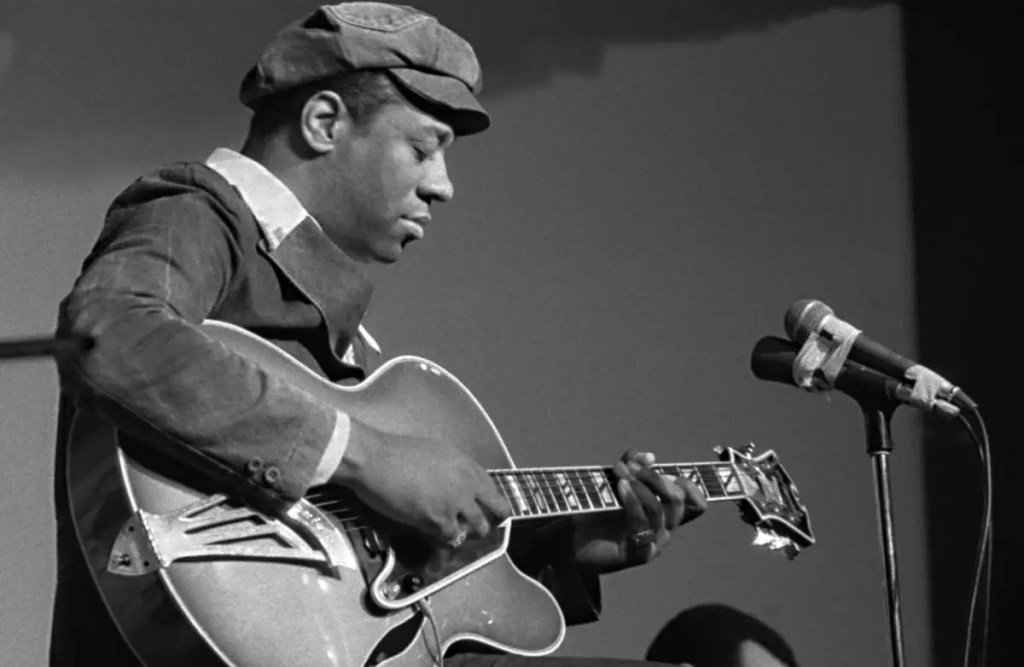
Grant Green was one of the most influential jazz guitarists of the 20th century, renowned for his soulful playing, smooth phrasing, and ability to blend intricate jazz harmonies with a deep sense of groove. Despite a relatively short life—he passed away at the age of 43—his impact on jazz guitar and the genre as a whole has left an indelible mark that continues to influence musicians to this day.
Green’s style was rooted in the tradition of jazz, yet he incorporated a sense of fluidity and simplicity that made his playing uniquely captivating. In this article, we’ll explore Grant Green’s guitar playing, his musical legacy, and how his style evolved over the years to make him a giant in the world of jazz.
Early Life and Musical Beginnings
Grant Green was born on June 6, 1935, in St. Louis, Missouri. Growing up in a musical household, Green was exposed to a variety of musical genres, including gospel, blues, and jazz. He started playing guitar at an early age, learning from family members and absorbing the sounds of local jazz musicians. His early influences included guitarists like Charlie Christian and Wes Montgomery, as well as horn players like John Coltrane and Miles Davis, whose sounds would later shape his own approach to guitar.
Green’s development as a musician took off when he moved to New York in the late 1950s, where he immersed himself in the burgeoning jazz scene. His big break came in 1961 when he was discovered by legendary jazz pianist and bandleader, Louis Hayes. This led to a series of recordings with some of the biggest names in jazz, including Blue Note Records, one of the most important labels in jazz history.
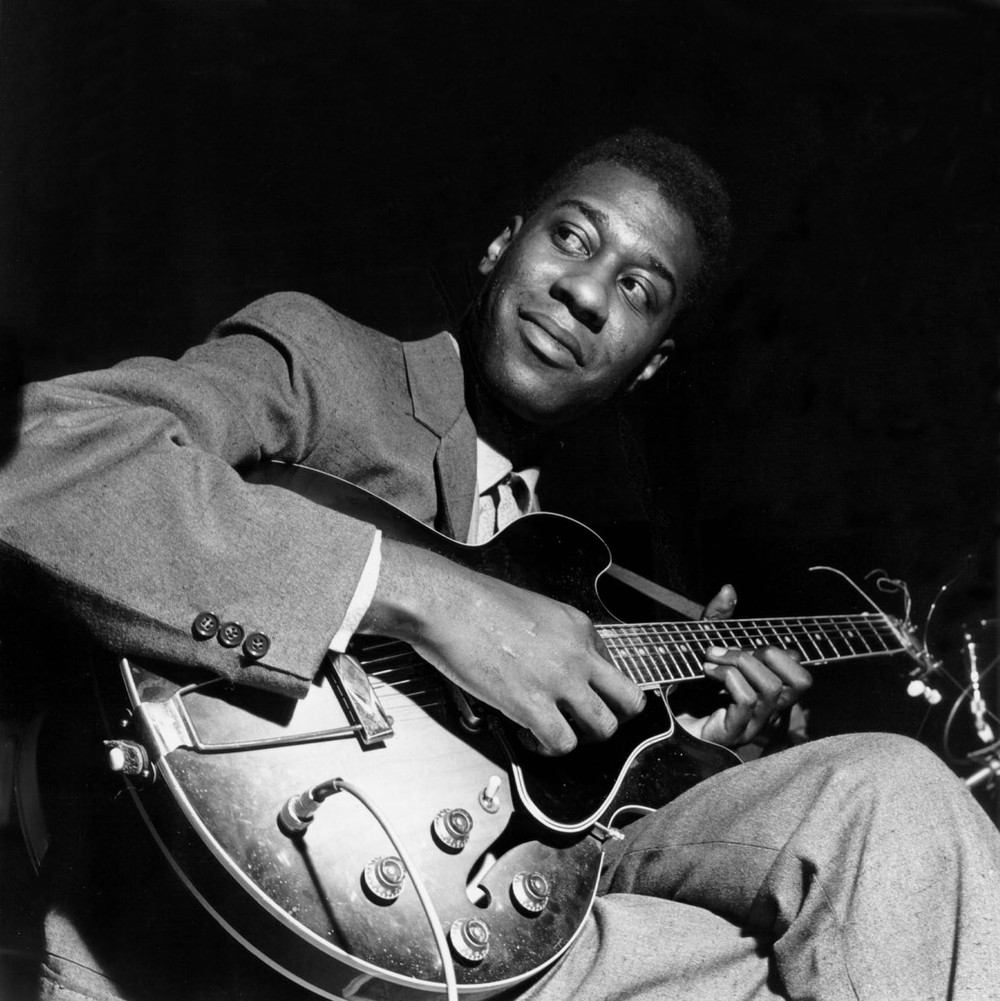
Grant Green’s Playing Style: Soulful and Groove-Driven
Grant Green’s style is often described as soulful, with a distinctive, melodic approach that could both swing hard and convey deep emotion. His tone, while often warm and clean, had a certain rawness to it that was perfect for the bluesy, modal jazz of the time. Let’s break down some of the key elements that made Green’s playing so special.
1. Simplicity and Melody Over Complexity
Unlike many of his contemporaries, Grant Green was known for his ability to make the most of simplicity. His approach to improvisation was often based on crafting clear, lyrical melodies rather than relying on fast runs or complex chord changes. His solos were deeply melodic and expressed a sense of space, allowing each note to breathe. In this way, Green’s playing was more about creating a mood or feeling than about dazzling with technical wizardry.
This approach was deeply rooted in the blues, and it gave his solos a kind of accessibility that made his music feel immediate and heartfelt. His lines were often slow and deliberate, allowing his phrasing to build tension and release in a way that was emotionally compelling.
2. Blues and Groove Influence
A defining feature of Green’s style is the influence of blues and groove. While many jazz guitarists of the time focused on harmony and intricate chord substitutions, Green’s playing was driven by a deep sense of rhythm and soul. He often used pentatonic scales and bluesy phrases in his improvisations, but always with a touch of sophistication that kept his playing rooted in jazz.
This blues influence can be heard in his ability to create a “groove” in his solos—something that would become a hallmark of his sound. His playing often had a laid-back, relaxed feel, even when playing fast tempos, and his solos were known for their rhythmic intensity. This made him one of the first guitarists to truly merge the worlds of jazz and R&B, creating a sound that was both sophisticated and accessible.
3. Modal Jazz and Use of Space
Grant Green was a key figure in the modal jazz movement of the 1960s, a style of jazz that emphasized scales (modes) rather than traditional chord changes. His work with Miles Davis, particularly on albums like Kind of Blue, was a perfect match for this modal approach, allowing him to explore simple, open-ended scales like the Dorian mode to create long, flowing phrases.
What made Green’s modal approach unique was his emphasis on the use of space. His playing often featured long, sustained notes, giving the impression of a conversation rather than a constant stream of improvisation. He would build his solos with gradual tension, taking his time to let the phrases unfold and resonate.
This approach was a key influence on later generations of jazz guitarists, particularly those who were drawn to modal and free jazz, such as John Scofield and Bill Frisell.
4. Tone and Sound
Green’s tone was one of the defining characteristics of his playing. He had a rich, warm sound that came from his use of a hollow-body guitar and his touch. His guitar of choice was a Gibson L-5, a classic jazz instrument known for its resonance and full, rounded tone. This helped him create a sound that was both rich and melodic, perfect for the more relaxed, blues-influenced side of his style.
While Green’s tone was always smooth and melodic, it also had a certain sharpness and clarity. This allowed him to cut through a mix of instruments in a jazz setting while maintaining a sense of precision and definition. He also experimented with different effects, including reverb and delay, which added an atmospheric quality to his sound.
Notable Albums and Recordings
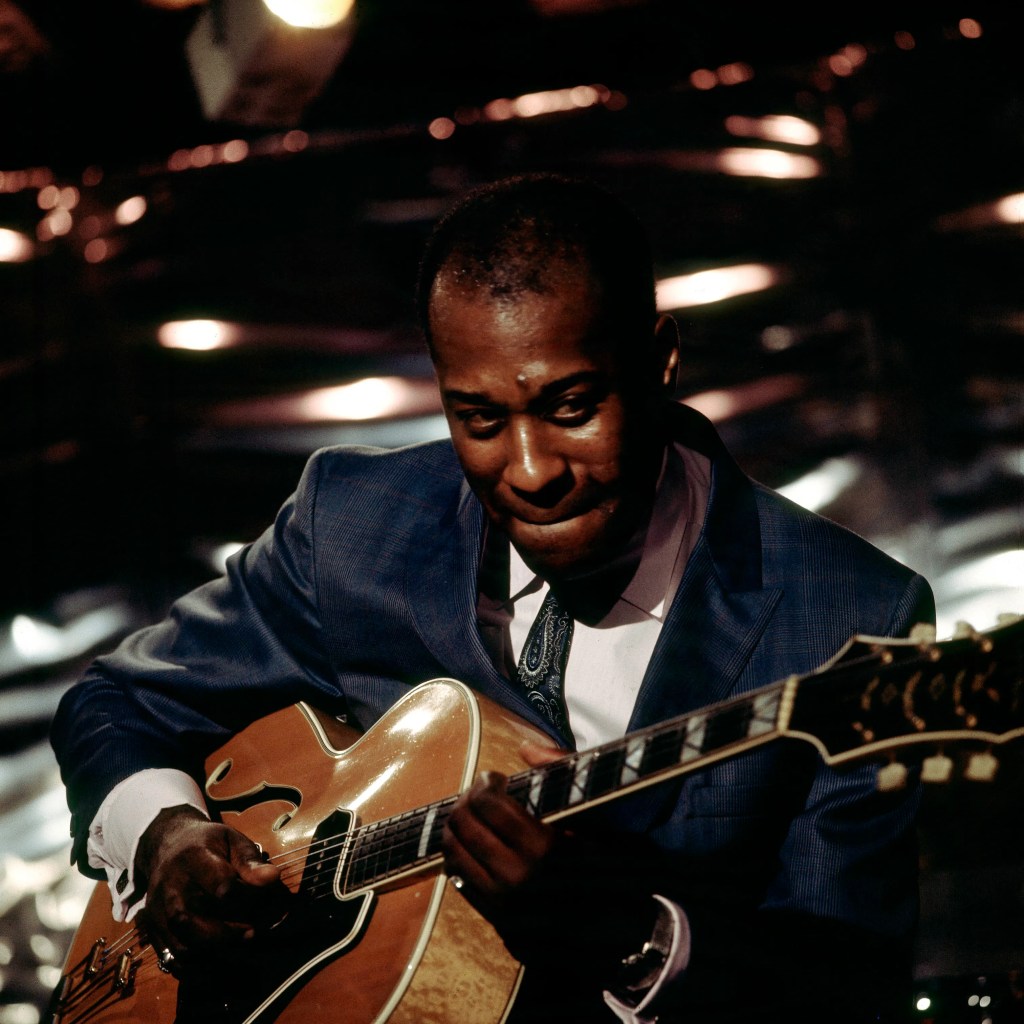
Grant Green’s career spanned over a decade, and he left behind a wealth of recordings that showcase his extraordinary talent as a guitarist. Here are some of his most significant albums:
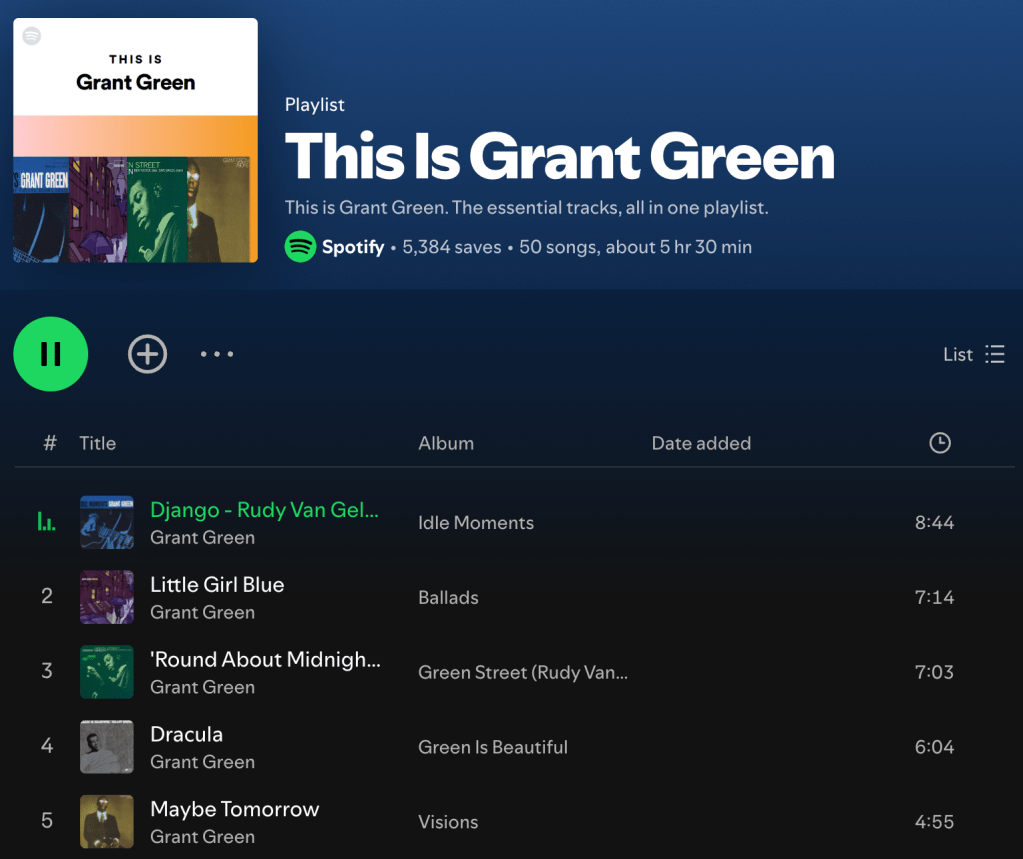
1. “Idle Moments” (1963)
Idle Moments is often regarded as one of Grant Green’s finest works. This album features some of his most fluid, expressive playing, combining soulful melodies with sophisticated jazz harmonies. The title track is a perfect example of his ability to create a relaxed, yet emotionally resonant atmosphere through his playing. The album’s emphasis on modal jazz is clear, and it remains a favorite among jazz guitar fans.
2. “Green Street” (1961)
This album captures the essence of Green’s playing during his early years. It features some of his most iconic solos, with a deep bluesy feel and impeccable rhythmic sense. The interplay between Green and his fellow musicians is a highlight of the album, showcasing his ability to groove in a way that makes the music feel both tight and loose at the same time.
3. “Grant’s First Stand” (1960)
Grant’s First Stand was an early album that helped establish Green’s reputation in the jazz world. It showcases his talent for improvisation and his deep understanding of jazz harmony. The album’s standout track, “Arietis,” is a great example of Green’s ability to weave complex melodies over simple, repetitive structures, allowing his improvisation to shine through.
4. “Solid” (1979)
Although Grant Green’s career slowed down in the 1970s due to personal issues, Solid marked a late-career comeback. It features a funkier, more groove-based sound, with Green’s guitar playing serving as the backbone of the rhythm section. This album demonstrates Green’s ability to adapt his style to the changing musical landscape, while still maintaining his unique voice.
Legacy and Influence
Grant Green’s influence on jazz guitar cannot be overstated. His ability to combine groove, melody, and technical skill made him a unique figure in the genre. He inspired countless guitarists, from jazz greats like George Benson and Wes Montgomery to modern players such as Pat Metheny and John Scofield.
Green’s dedication to the emotional power of his instrument has ensured that his music remains relevant and influential, even decades after his untimely passing. His work continues to be a touchstone for guitarists seeking to create music that is both intellectually sophisticated and emotionally resonant.
Conclusion
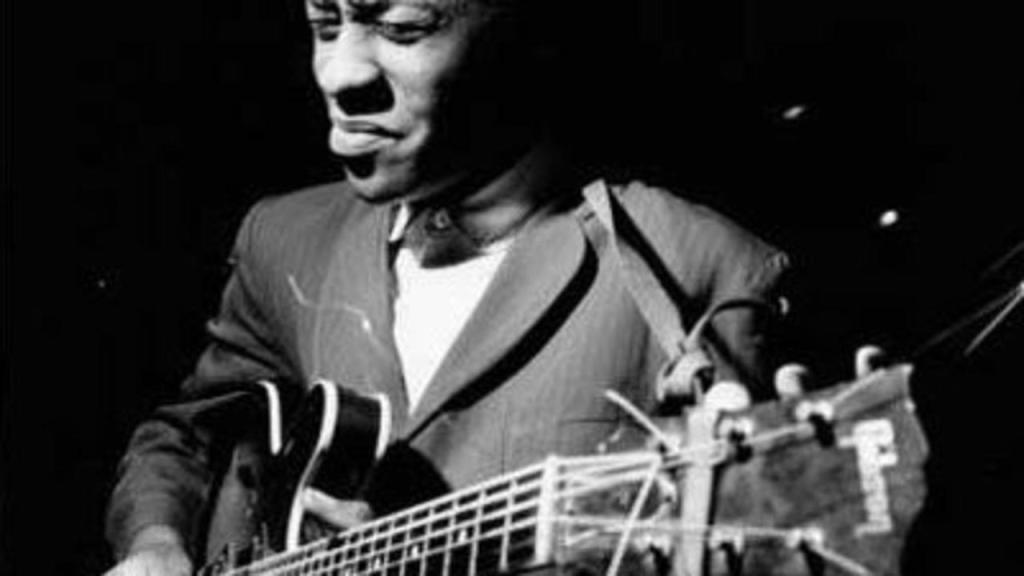
Grant Green was a true master of jazz guitar, known for his soulful playing, bluesy phrasing, and innovative approach to modal jazz. His music continues to inspire and inform new generations of jazz guitarists, and his recordings remain essential listening for anyone interested in the evolution of jazz guitar. Through his melodic sensibility, harmonic knowledge, and rhythmic groove, Green helped redefine what jazz guitar could be—making him a timeless figure in the world of music.
 oscaronguitars.com
Leave a comment