

Born on July 11, 1959, in Perth Amboy, New Jersey, Richie Sambora rose from the gritty local rock scene to global superstardom as the lead guitarist of Bon Jovi. Famed for his searing guitar solos, rich vocal harmonies, and co-writing some of rock’s most enduring anthems, Sambora played an integral role in shaping Bon Jovi’s sound and commercial success for over three decades. Beyond the arena-rock image, Sambora is a versatile musician, accomplished songwriter, and blues-influenced player whose musical roots run deep.
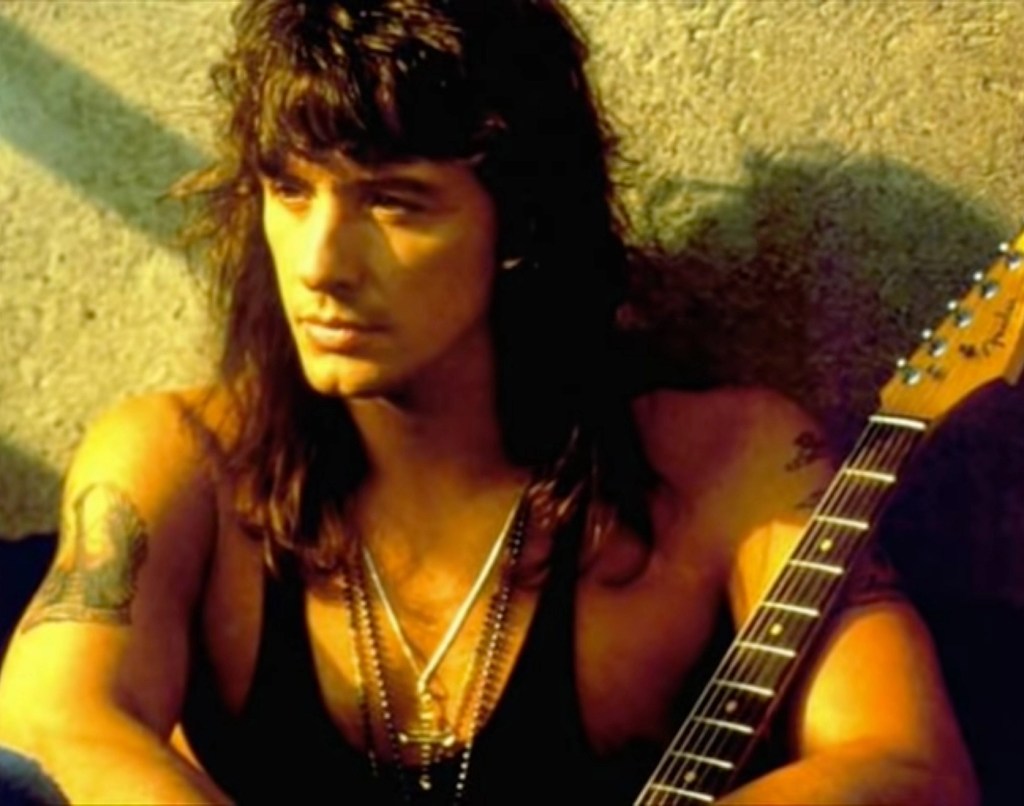
Early Influences and Musical Foundations
Sambora began playing guitar at the age of 12, following the death of his idol Jimi Hendrix. His early influences included blues, hard rock, and classical music, drawing inspiration from guitarists like Eric Clapton, Jimmy Page, George Harrison, and Johnny Winter. He was also a skilled multi-instrumentalist, playing piano, saxophone, and accordion.
Before joining Bon Jovi, Sambora honed his craft in various bands, including Message, and even auditioned for KISS in the early 1980s. It was his audition for Jon Bon Jovi’s band in 1983 that changed everything. Sambora brought not just chops but a musical sensibility that became vital to Bon Jovi’s rise.
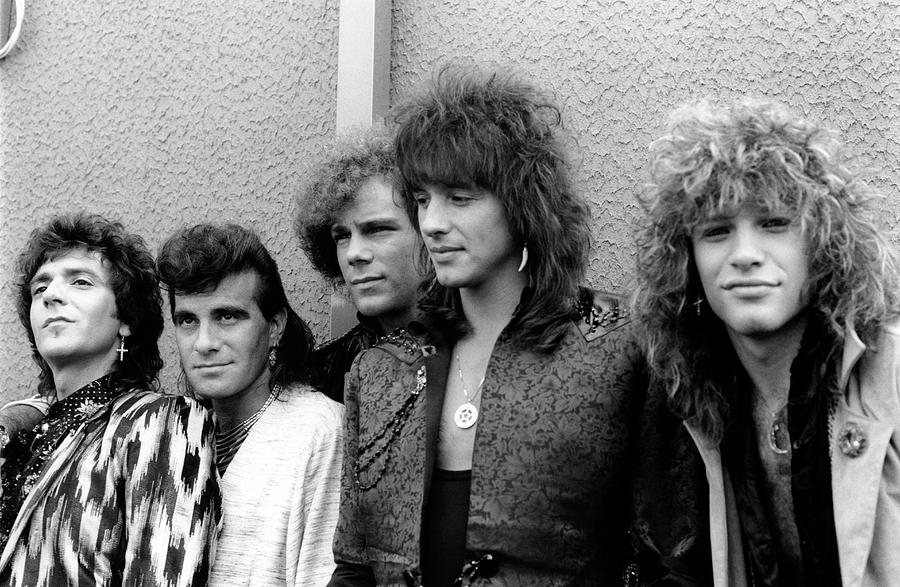
Bon Jovi: Crafting the Blueprint for Stadium Rock
Sambora’s songwriting partnership with Jon Bon Jovi led to a string of chart-topping hits that defined the 1980s and early 1990s rock era. Albums like Slippery When Wet (1986), New Jersey (1988), and Keep the Faith (1992) became blueprints for stadium rock. Sambora’s blend of gritty blues riffs, melodic solos, and soaring vocal harmonies elevated the band’s sound.
He co-wrote and performed on global hits such as:
- “Livin’ on a Prayer” – Featuring his use of the talk box, this anthem became a generational rallying cry.
- “Wanted Dead or Alive” – A Western-tinged acoustic/electric power ballad showcasing Sambora’s storytelling guitar work and vocal harmony.
- “I’ll Be There for You” – A heartfelt power ballad spotlighting his emotional soloing and songwriting range.
- “It’s My Life” – A 2000s comeback hit where Sambora updated his sound while honoring the band’s roots with another iconic talk box part.
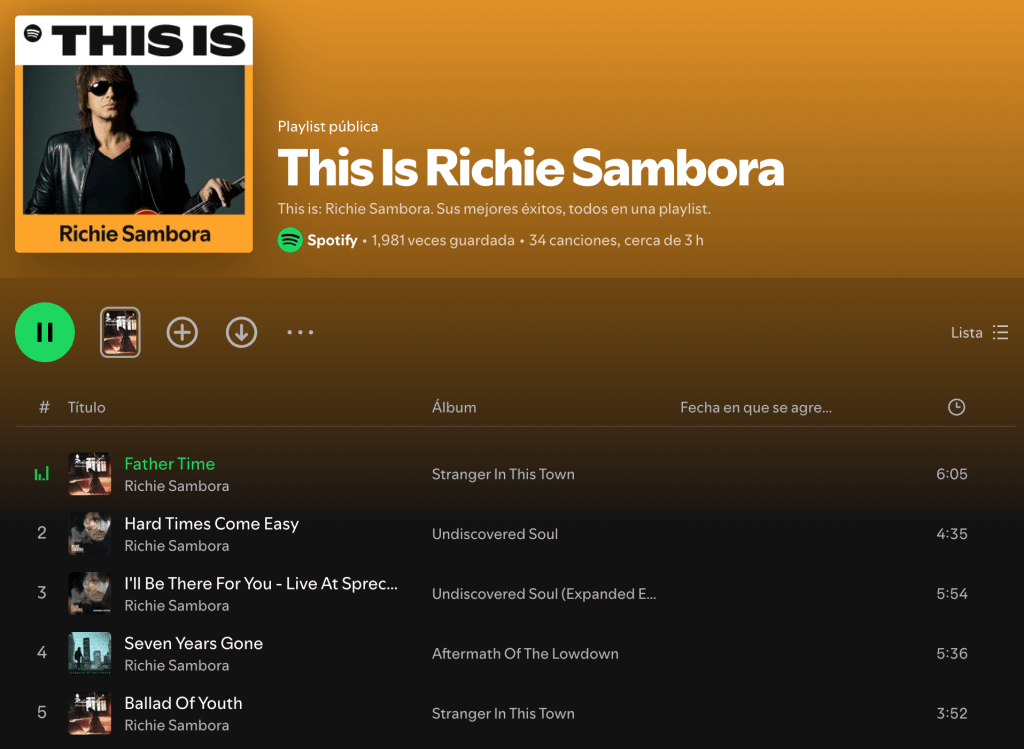
Sambora also sang lead vocals on tracks like “Stranger in This Town” and “Ballad of Youth,” from his solo work, further proving his multifaceted talent.
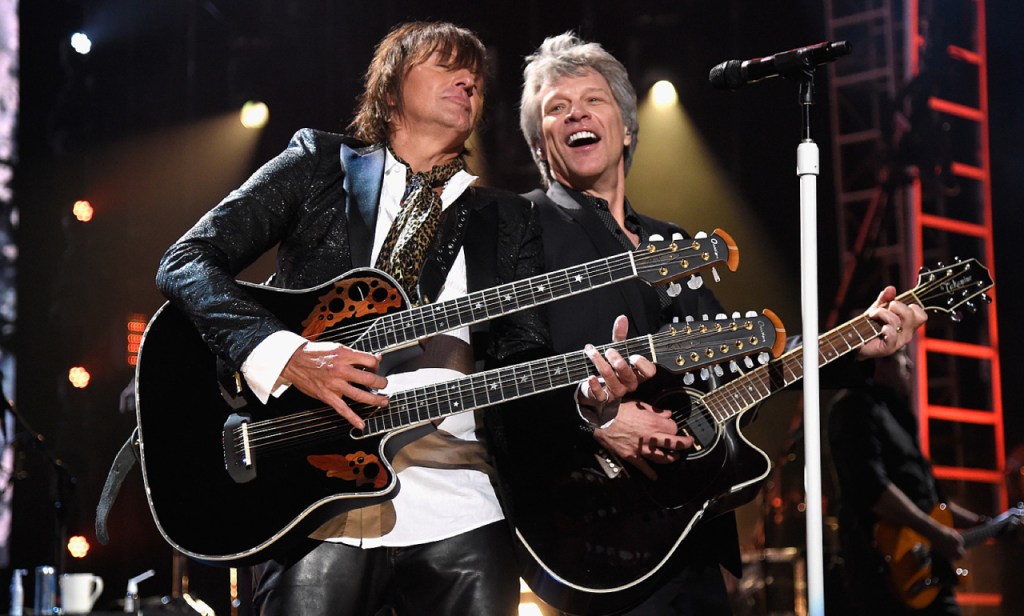
Gear and Signature Sound
Richie Sambora is closely associated with the Fender Stratocaster and Gibson Les Paul, but his live arsenal has also included double-neck guitars and custom Kramer models. His use of the talk box became iconic—first popularized by Peter Frampton but permanently embedded into mainstream rock through Sambora’s use on hits like “Livin’ on a Prayer.”
His live rig often featured Marshall and Mesa/Boogie amplifiers, Dunlop Cry Baby wah pedals, and a wide range of effects. His tone was notable for its melodic clarity, tasteful phrasing, and bluesy attack. Sambora’s guitar playing is less about speed and more about soul, choosing phrasing and bends over sheer technicality.
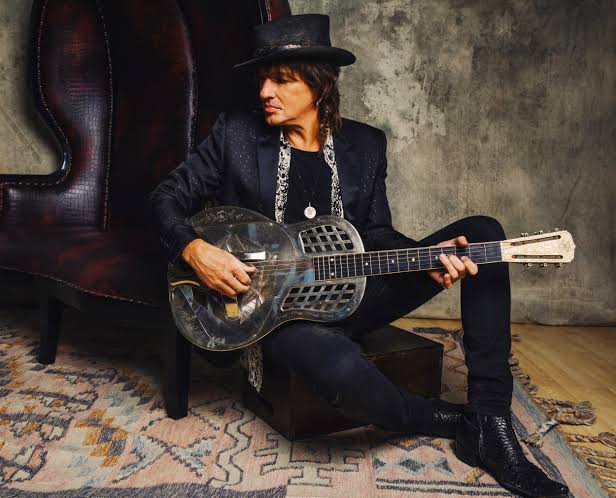
Solo Career and Collaborations
Outside Bon Jovi, Sambora released three solo albums: Stranger in This Town (1991), Undiscovered Soul (1998), and Aftermath of the Lowdown (2012). His solo work explored more personal themes and incorporated blues, soul, and pop influences.
In 2018, he partnered with guitarist Orianthi as the duo RSO (Richie Sambora + Orianthi), releasing the album Radio Free America, a genre-bending mix of blues, pop, rock, and country. The collaboration showcased his continued evolution and openness to new creative paths.

Legacy and Cultural Impact
Sambora’s contributions to music are far-reaching. As a co-writer, he helped Bon Jovi sell over 130 million records. His guitar solos became fixtures of classic rock radio, and his stage presence and charisma helped fuel the band’s global dominance. He was inducted into the Songwriters Hall of Fame in 2009 with Jon Bon Jovi.
Though he departed the band in 2013 to focus on family and personal recovery, Sambora’s legacy with Bon Jovi is enduring. His brief reunion with the band at the Rock and Roll Hall of Fame induction in 2018 was a moment of celebration and closure.

Conclusion: The Soul of Bon Jovi and Beyond
Richie Sambora remains one of rock’s most respected and beloved guitarists. His work with Bon Jovi helped define a generation of arena rock, but his talents stretch far beyond power chords and singalong choruses. He is a bluesman at heart, a songwriter of great sensitivity, and a performer who never lost sight of the music’s emotional core. Even as he continues to explore new musical directions, Sambora’s influence remains woven into the DNA of modern rock.
Bonus Track: 10 Essential Facts About Richie Sambora
- New Jersey Roots: Born in Perth Amboy, raised in Woodbridge Township.
- Multi-Instrumentalist: Plays guitar, piano, accordion, saxophone, and more.
- Talk Box Master: Popularized the talk box for a new generation.
- Hall of Fame: Inducted into the Songwriters Hall of Fame (2009) and Rock Hall with Bon Jovi (2018).
- Solo Success: Released three solo albums showcasing his bluesy, introspective songwriting.
- Philanthropy: Supports causes like Dream Street Foundation and the Herbie Hancock Institute.
- Acting Cameos: Appeared in TV shows like Ally McBeal and The Simpsons.
- Personal Struggles: Open about his battles with substance abuse and recovery.
- Daughter Ava: Father to Ava Sambora, an actress and model.
- Continued Innovation: Keeps exploring new sounds through projects like RSO with Orianthi.
 oscaronguitars.com
Leave a comment