
In the ever-evolving world of guitars, some brands have shone brightly only to disappear, leaving a lasting impact on the industry while others are practically forgotten. These important yet less-remembered brands remind us of the rich history and innovation in guitar craftsmanship. Though they may not have been commercial successes or may have faced business management pitfalls leading to their ultimate demise, they are nonetheless worth remembering.
1. Goya Guitars: The Swedish Craftsmanship
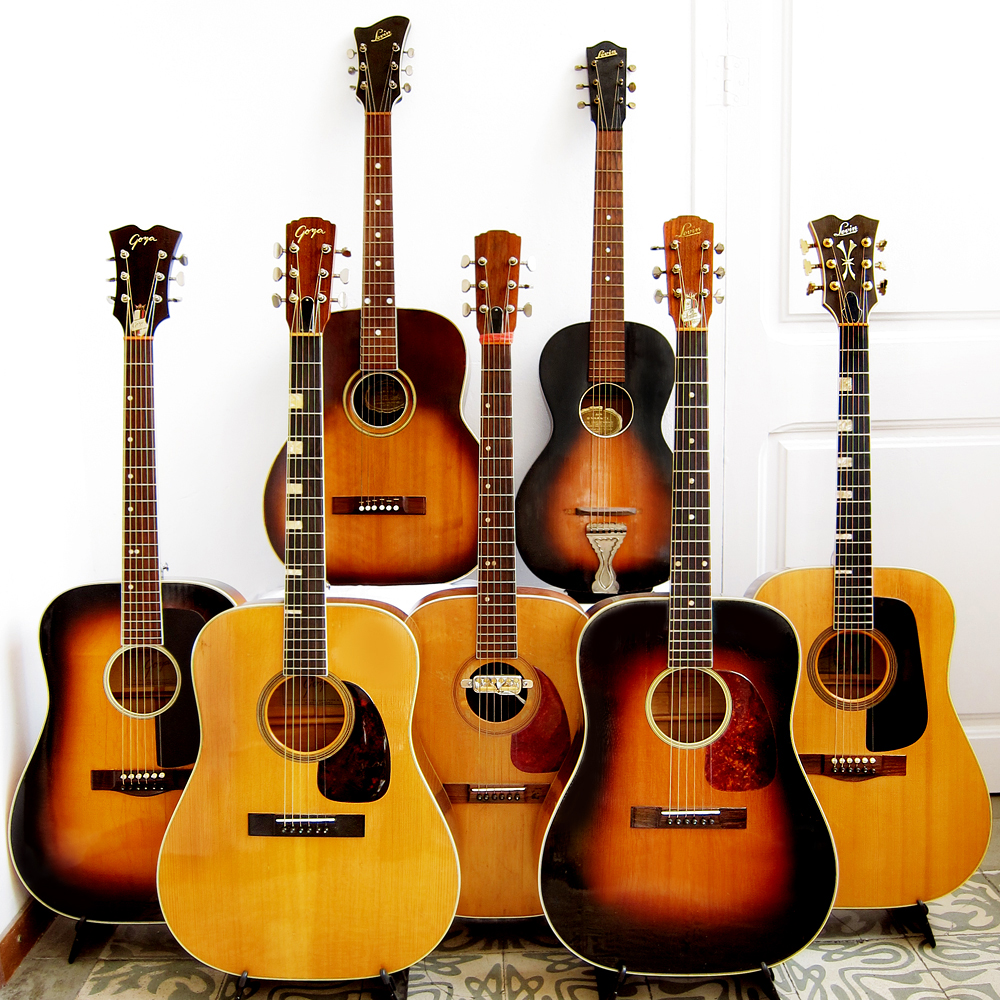
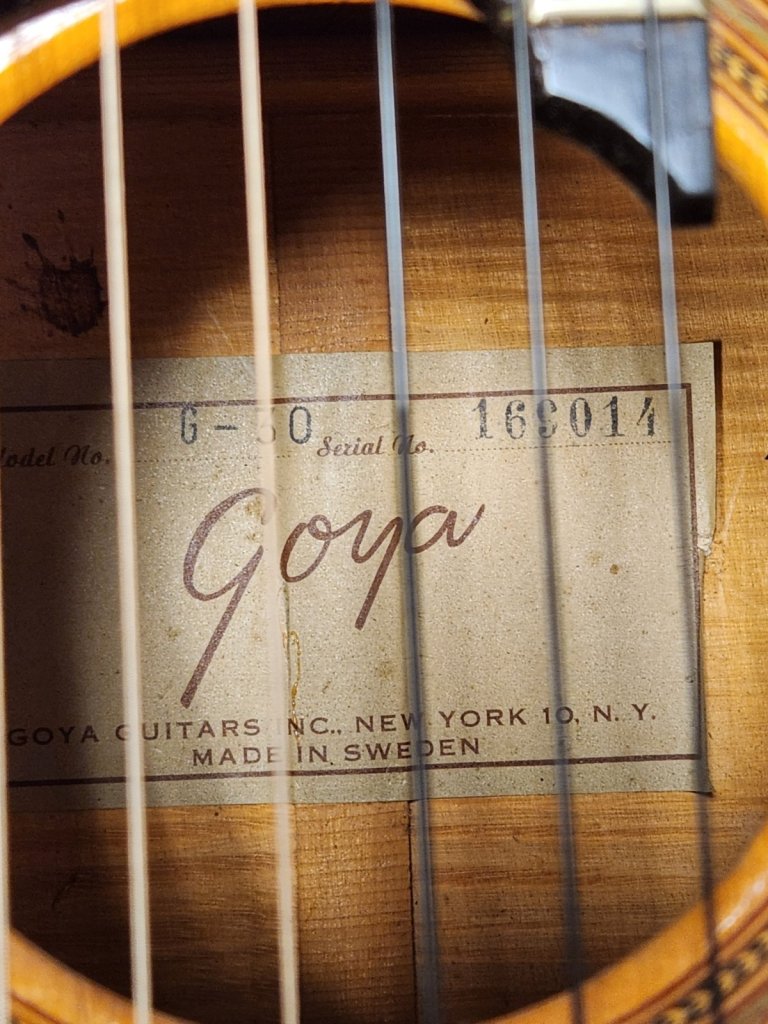
Goya Guitars began in the early 1950s as a Swedish brand known for high-quality acoustic guitars, made by the Levin Company in Gothenburg. Levin, established in 1900, was renowned for its craftsmanship. The Goya brand, created for US exports by the Hershman Musical Instrument Company, quickly gained fame for its unique sound.

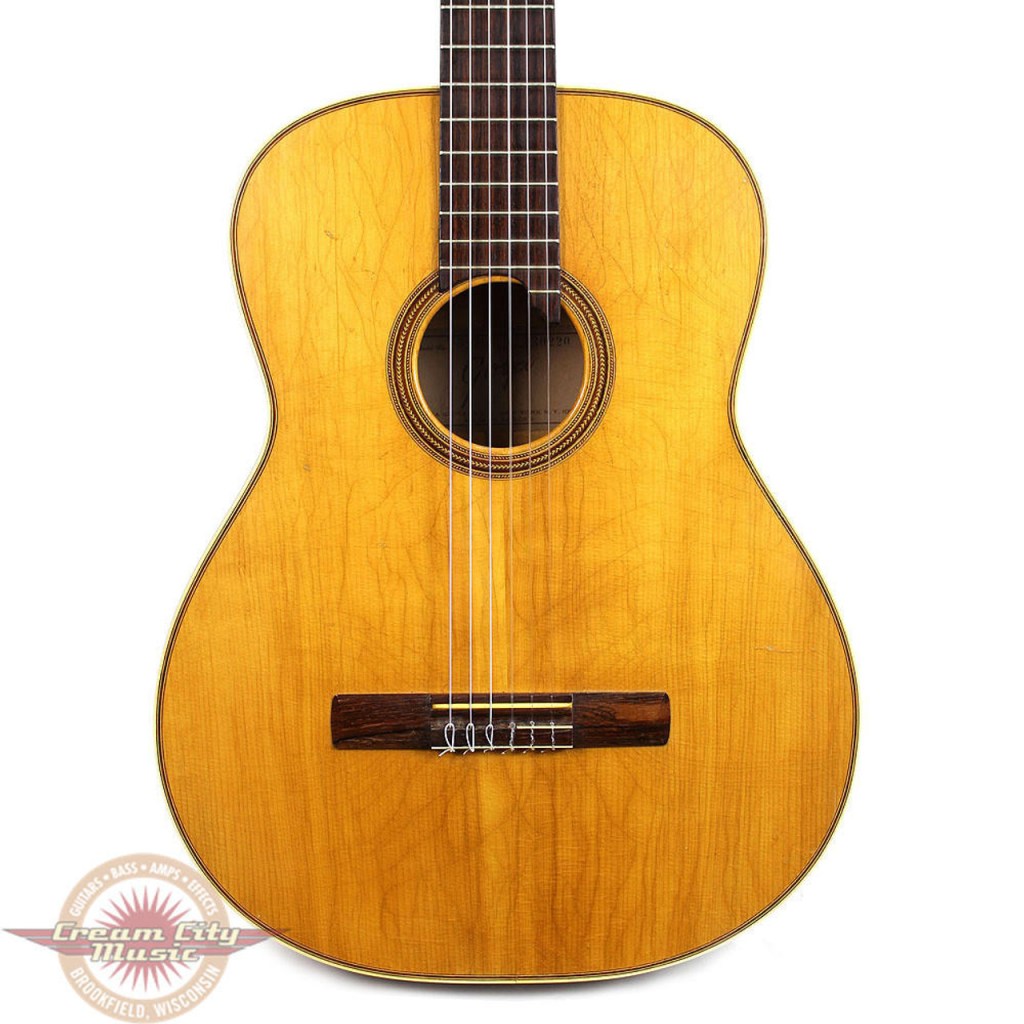
Popular models included the G-10, known for its bright tone and affordability; the G-13, with high-end materials like an alpine spruce top; and the G-45, a top-tier classical guitar with rosewood back and sides.
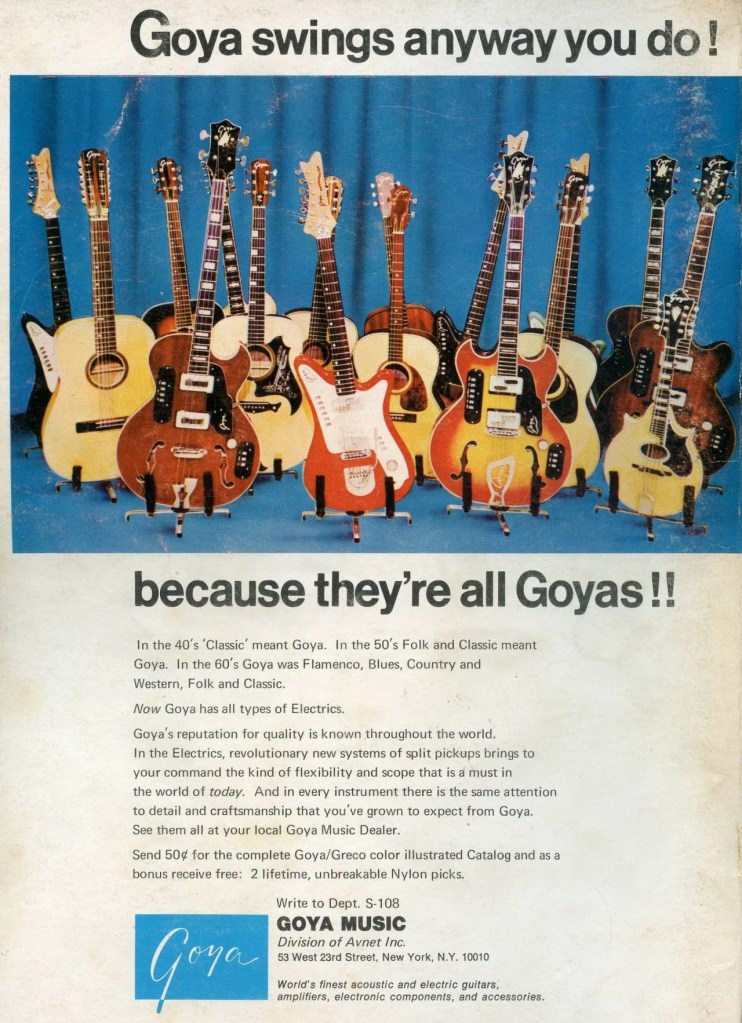
Distribution later moved to Kustom Electronics and Dude Inc. In 1975, C.F. Martin & Company acquired Levin, moving Goya production to Japan, Korea, and Taiwan before ending it in 1996. Despite ceasing production, Goya guitars are remembered for their quality and distinctive design.
2. Robin Guitars: The Shredder’s Choice
Robin Guitars, founded by David Wintz in Texas in 1982, quickly gained a reputation for their unique designs and high-quality builds. Wintz’s passion for guitars was ignited by the Beatles’ performance on the Ed Sullivan Show in 1964. By 1971, his visit to a vintage guitar shop in Houston deepened his fadscination, leading him to co-found Houston’s oldest guitar shop.
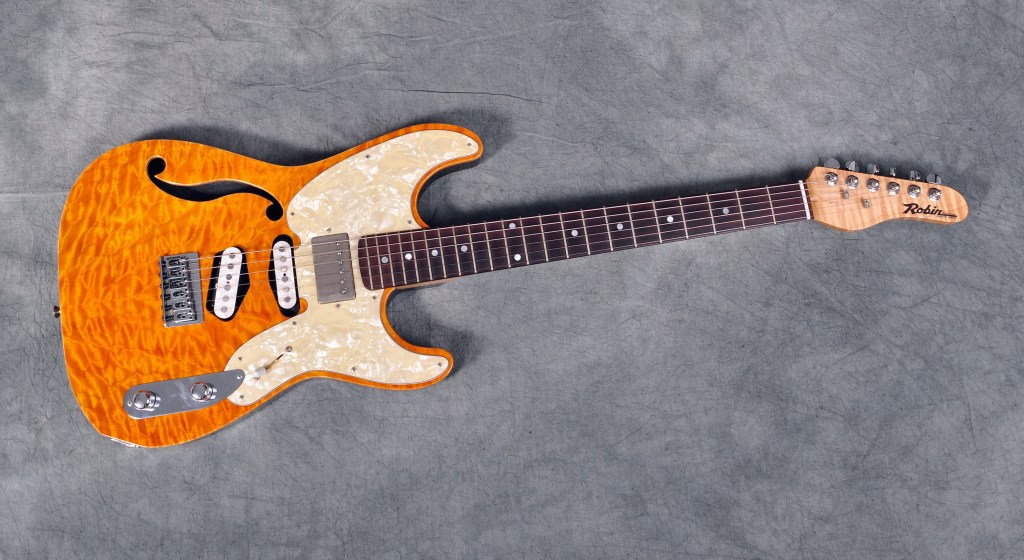
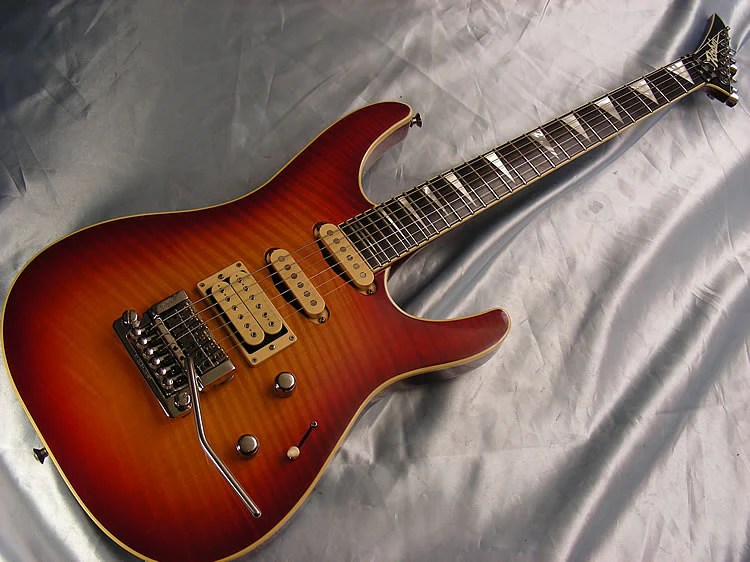
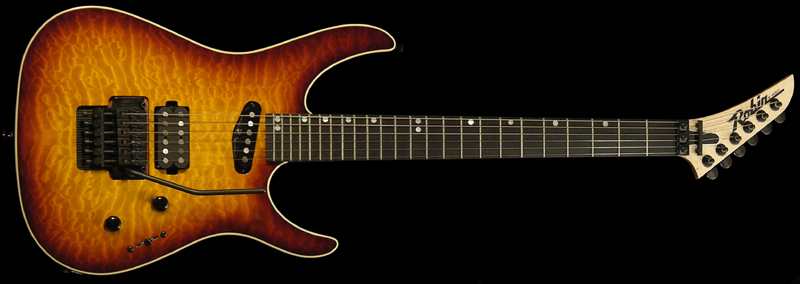
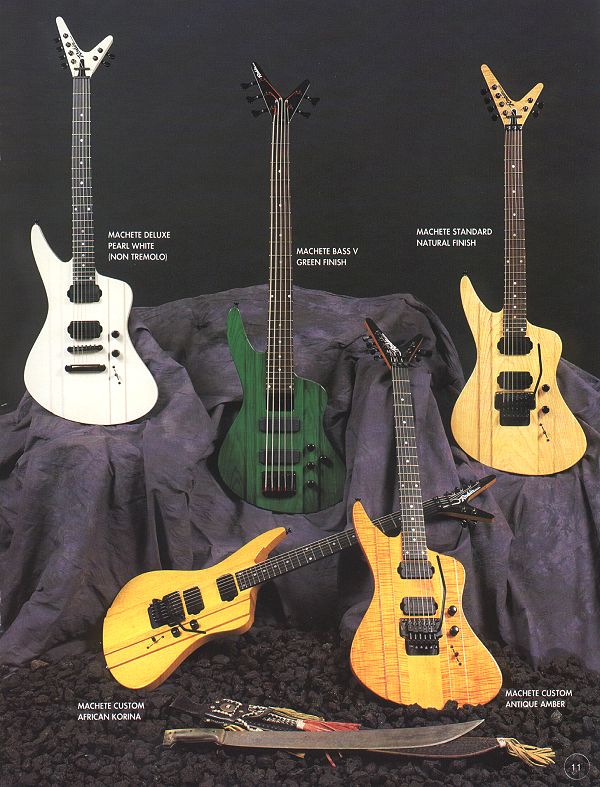
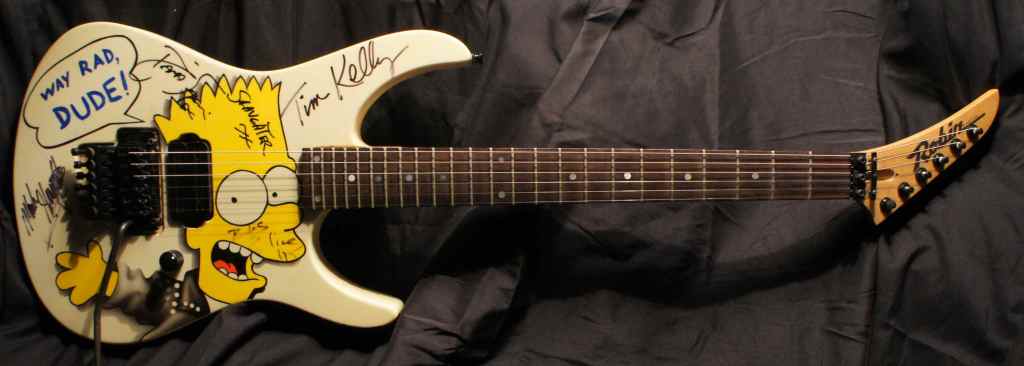
Robin Guitars became popular among hair metal bands of the 80s and 90s, used by artists like J. Yeunger of White Zombie. The brand was known for models like the versatile Ranger with its classic swamp ash body, the high-performing Medley with Rio Grande pickups, and the bold Machete with its powerful sound. Despite their success, Robin Guitars faced a decline in popularity in 2010 due to the waning interest in shredder-style guitars. But who knows? Maybe in this renaissance era of shredding, a much-needed comeback sounds really sweet.





3. Mosrite: The Surf Rock Icon
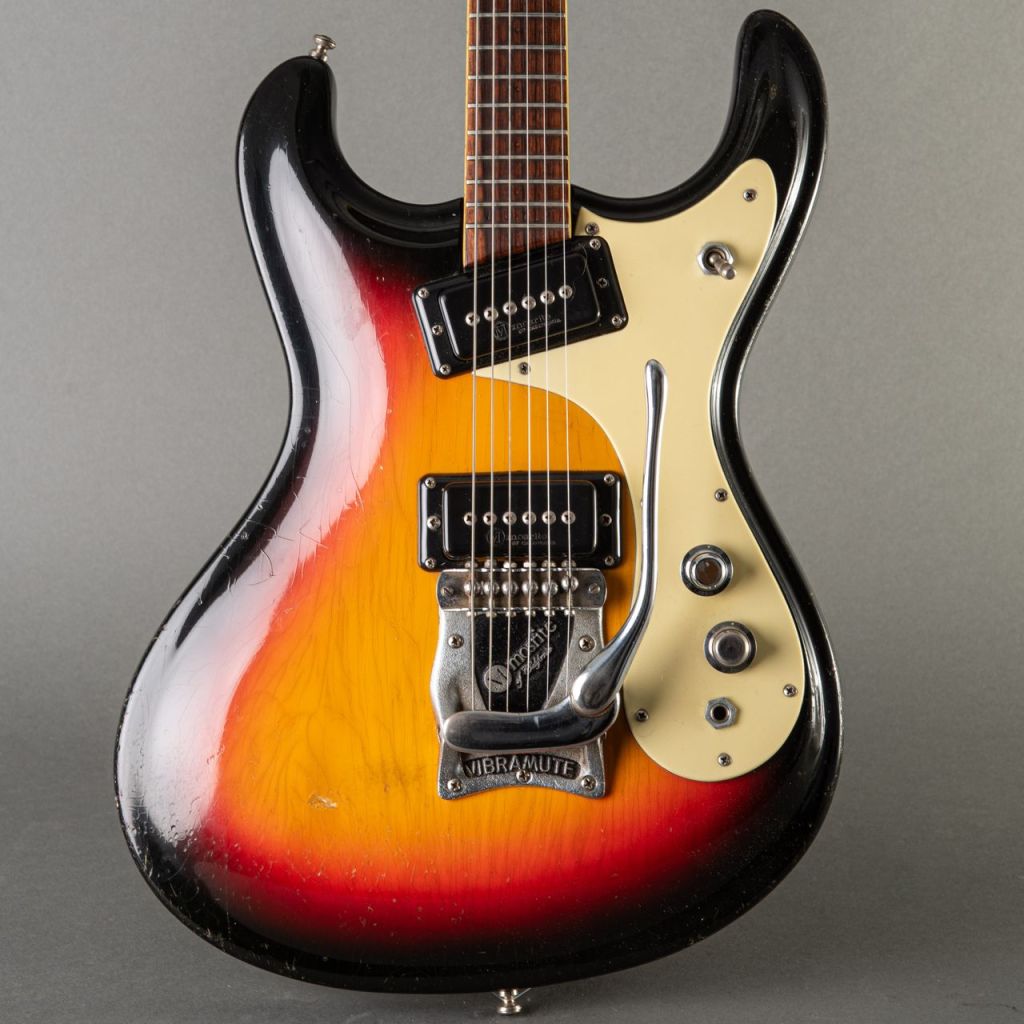
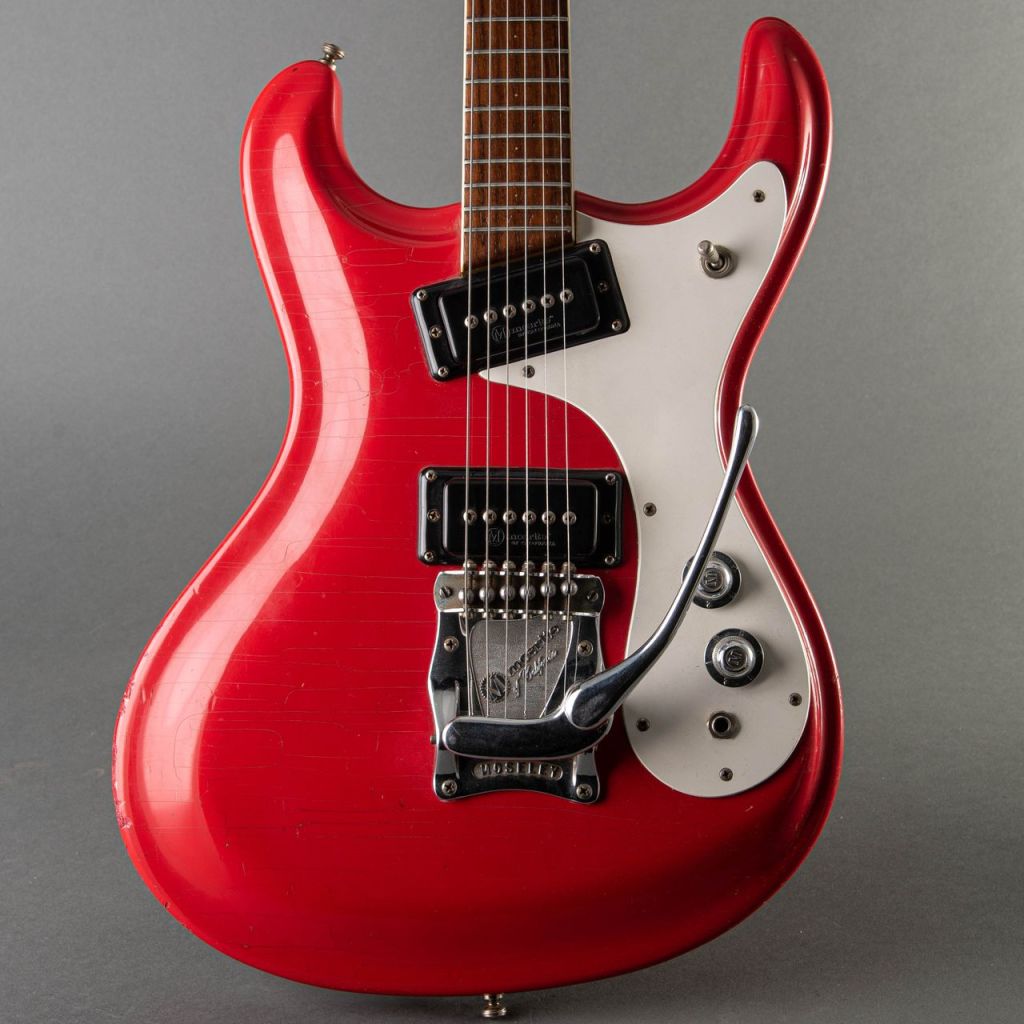
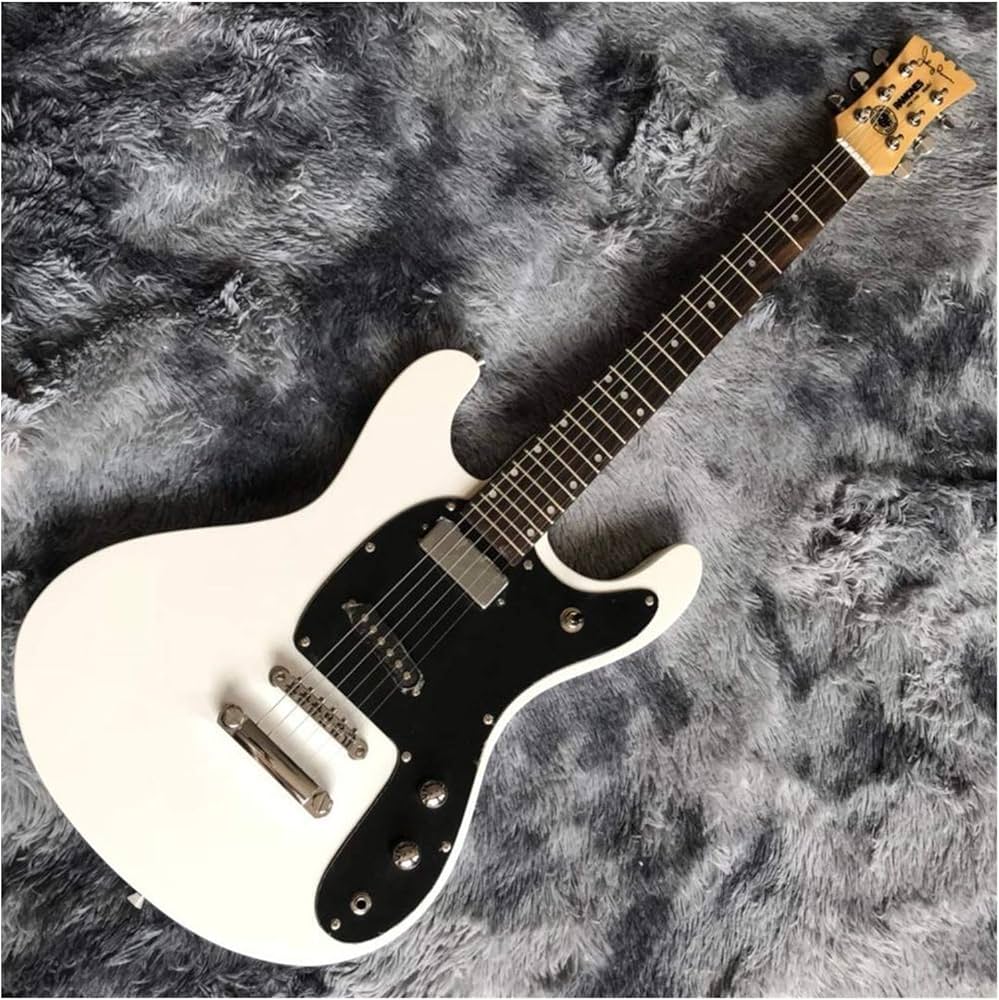
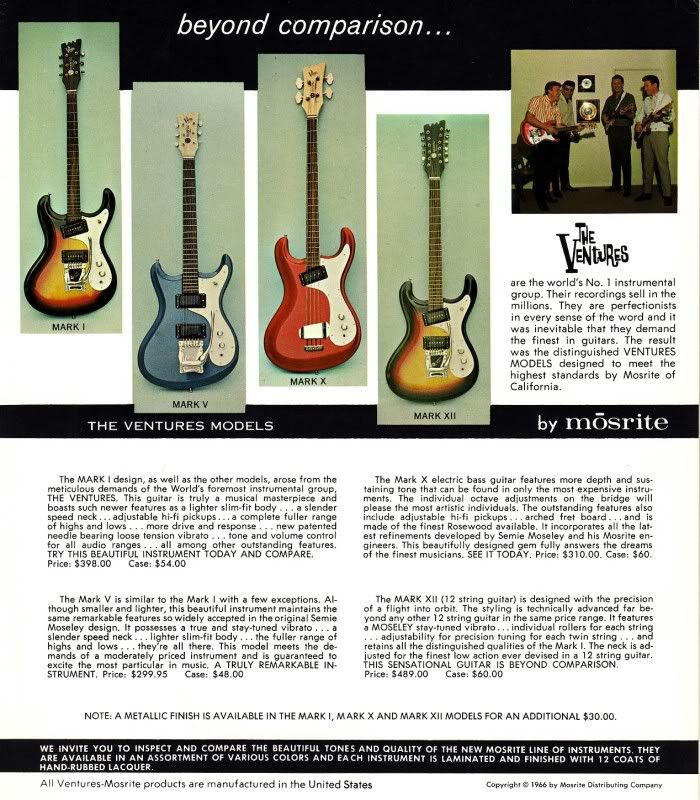
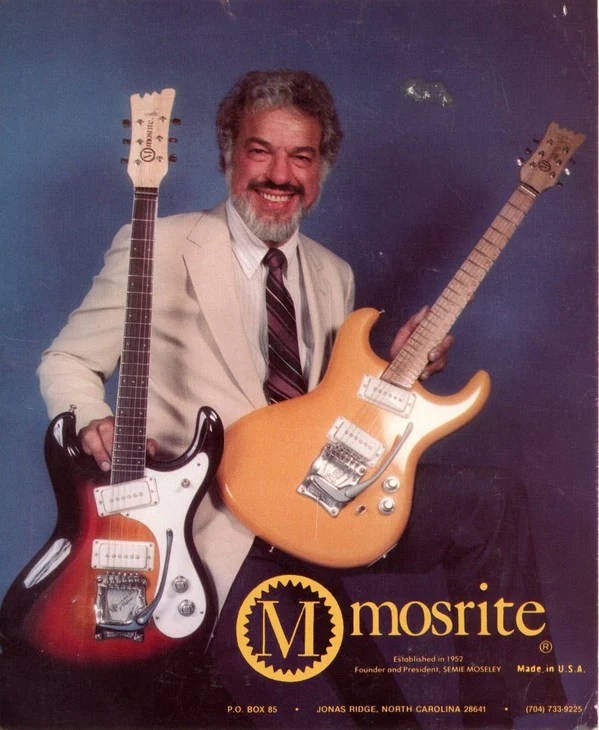
Mosrite guitars were born in Bakersfield, California, in 1952, founded by Semie Moseley. The brand quickly became synonymous with surf rock, largely thanks to their association with The Ventures, who had exclusive models designed for them.
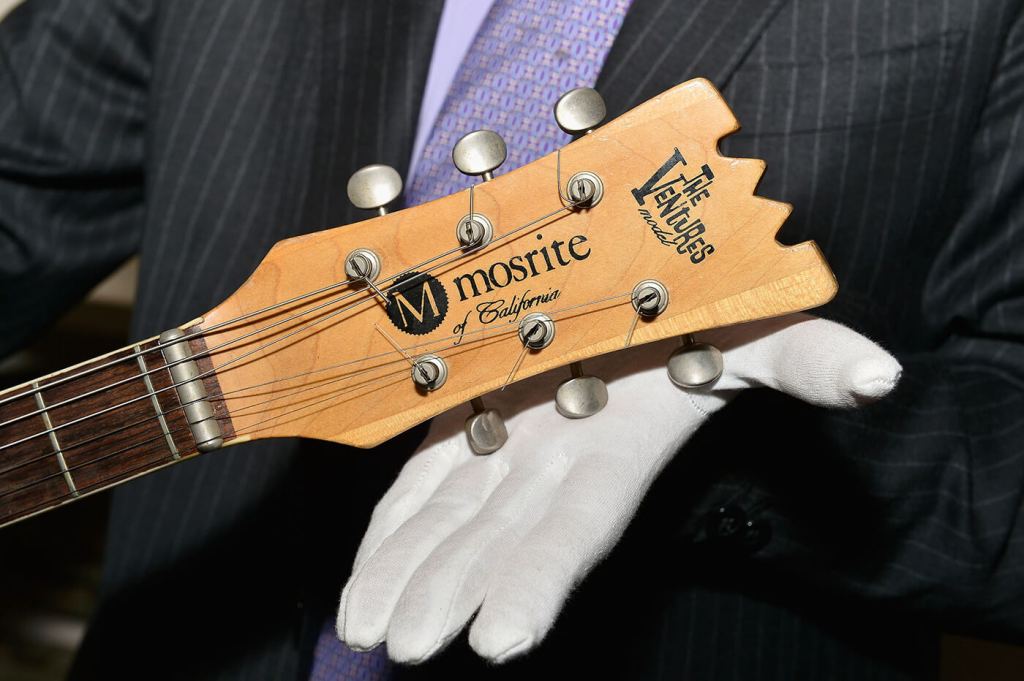
Mosrite’s unique, high-quality instruments were highly sought after during the 60s and 70s. Famous bands and artists such as Kurt Cobain and Johnny Ramone also played Mosrite guitars.
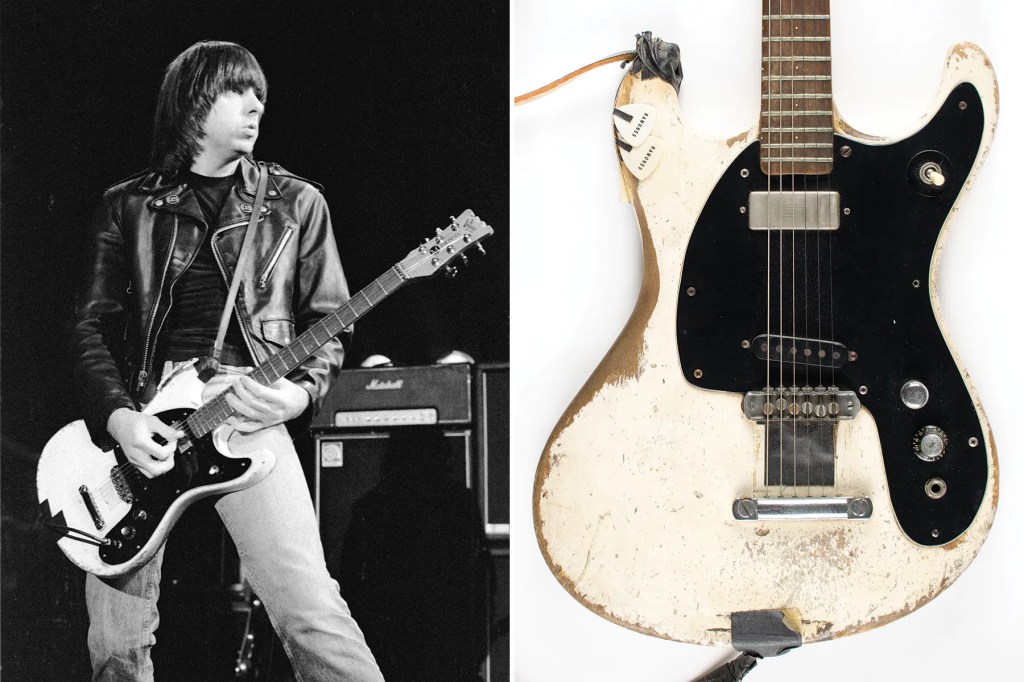
Notable models include the Mosrite Ventures Model, the Mosrite Celebrity, and the Mosrite Combo. One interesting quirk is the ‘upside down Stratocaster’ design, which provided a familiar yet somewhat strange vibe.
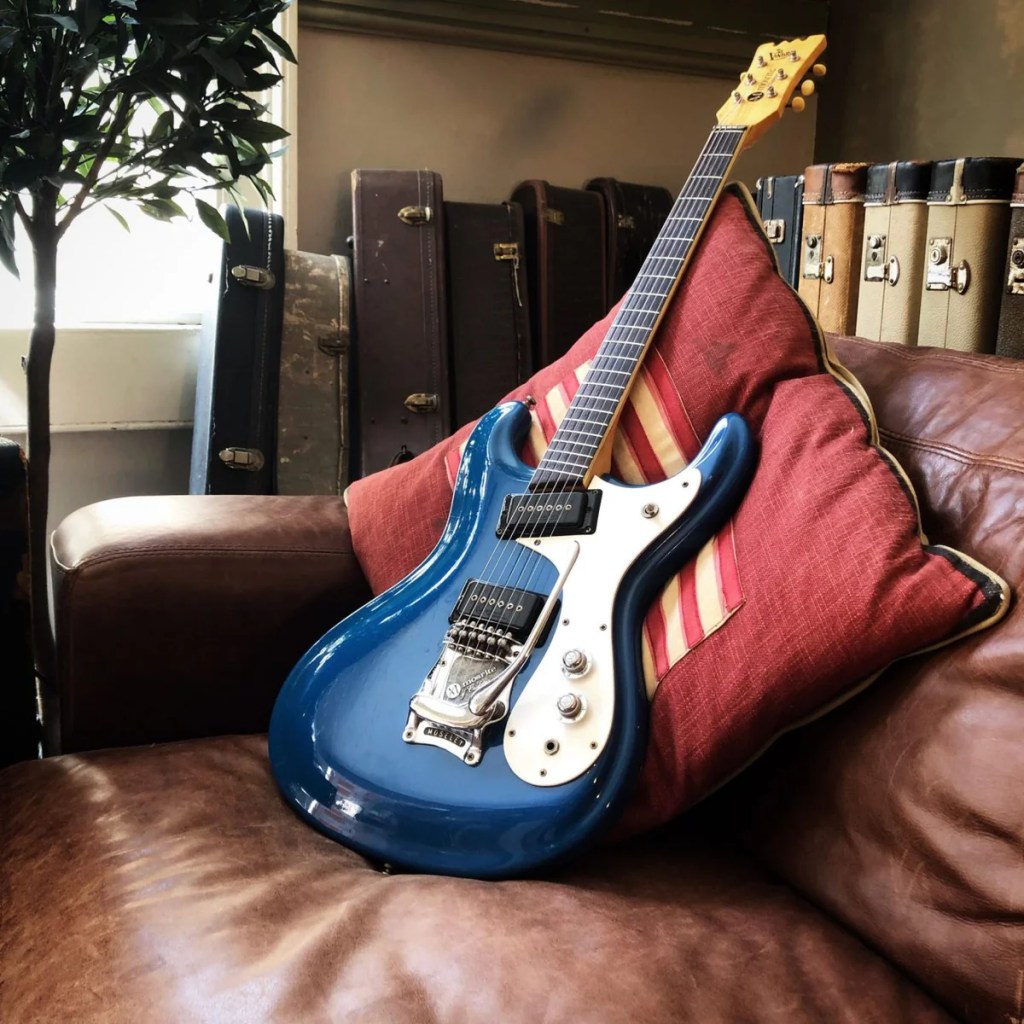
Financial troubles and legal issues led to the brand’s decline in the 70s. Despite several attempts to revive Mosrite, including efforts by Semie Moseley, the brand never regained its former glory. Mosrite’s legacy is cemented in its contribution to the surf rock sound and its distinctive influence on rock music.

4. Hamer Guitars: The Pioneer of Boutique Guitars
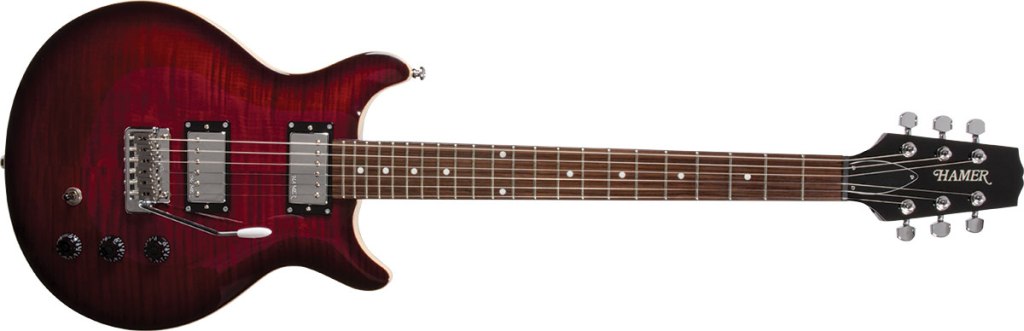
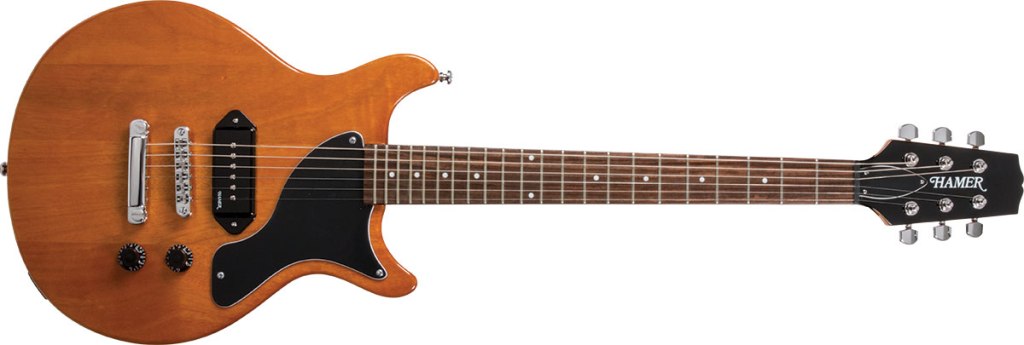
Hamer Guitars, founded in 1973 by Paul Hamer, Jol Dantzig, and John Montgomery in Illinois, was one of the pioneers in producing boutique guitars. The brand quickly gained a reputation for exceptional quality and craftsmanship.

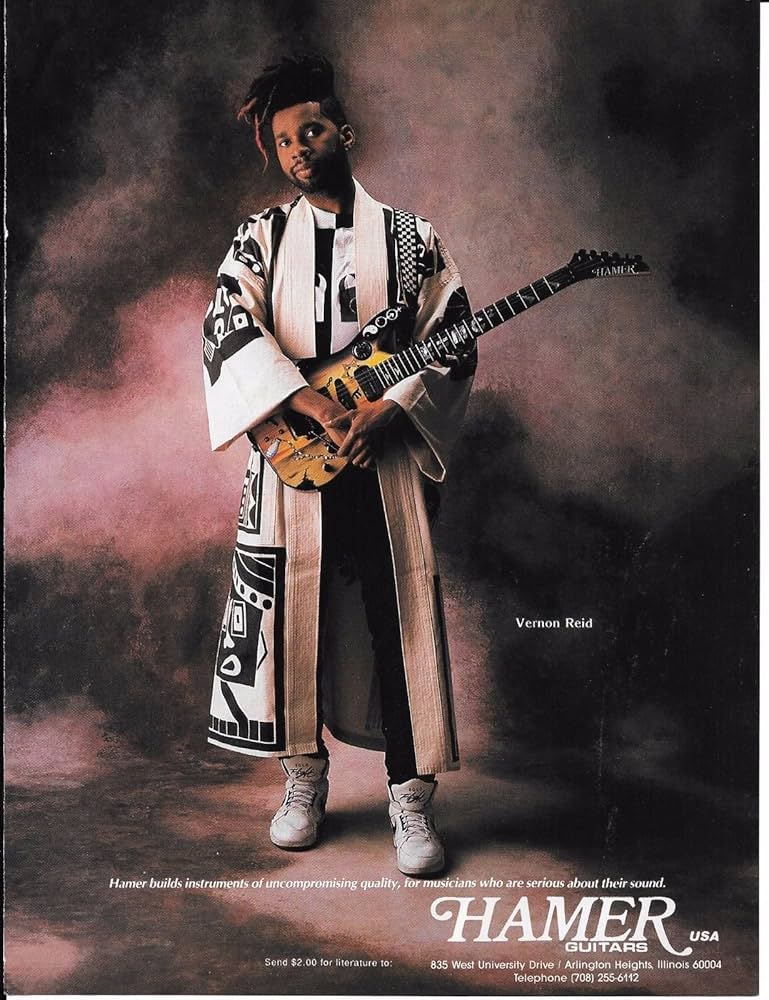
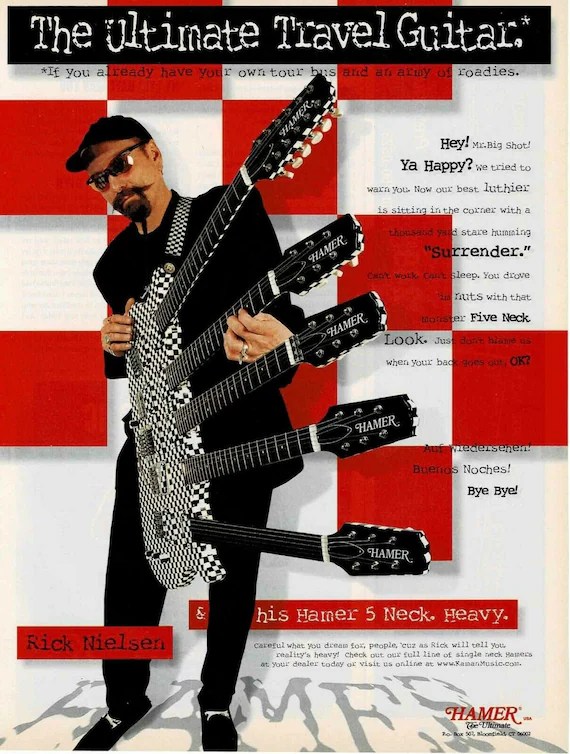
Iconic models like the Hamer Standard and the Sunburst became favorites among rock musicians. Notable users included Rick Nielsen of Cheap Trick and Glenn Tipton of Judas Priest. Despite their popularity, demand for Hamer guitars declined over the years, leading to the brand’s closure in 2012 under the ownership of Fender.
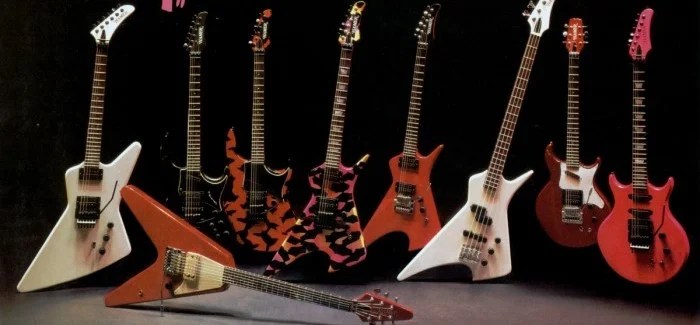
Nonetheless, Hamer’s impact on the boutique guitar market remains significant, remembered for their high standards and influence on custom guitar manufacturing.


5. Parker Guitars: Innovation with a Contradictory Aesthetic
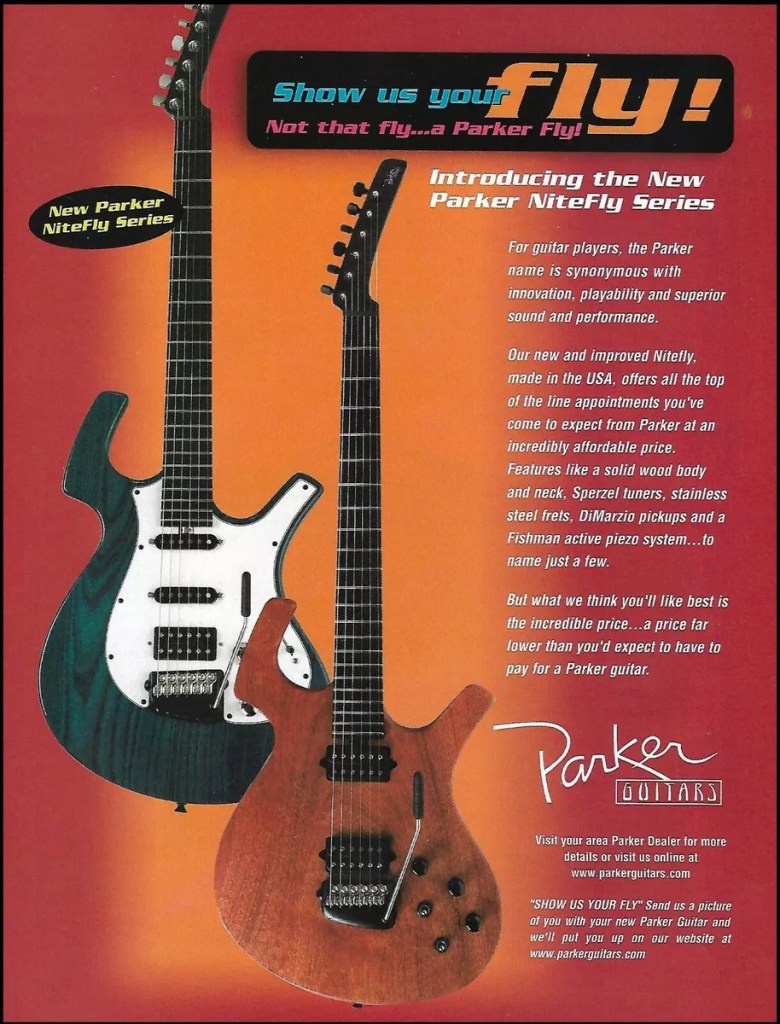
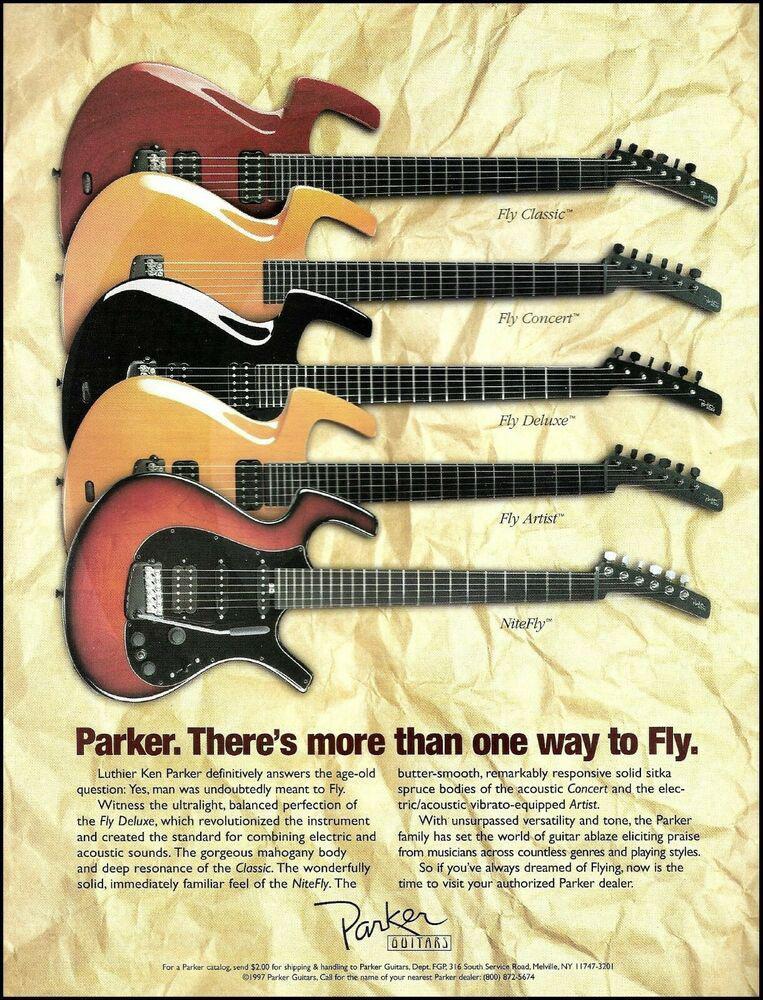
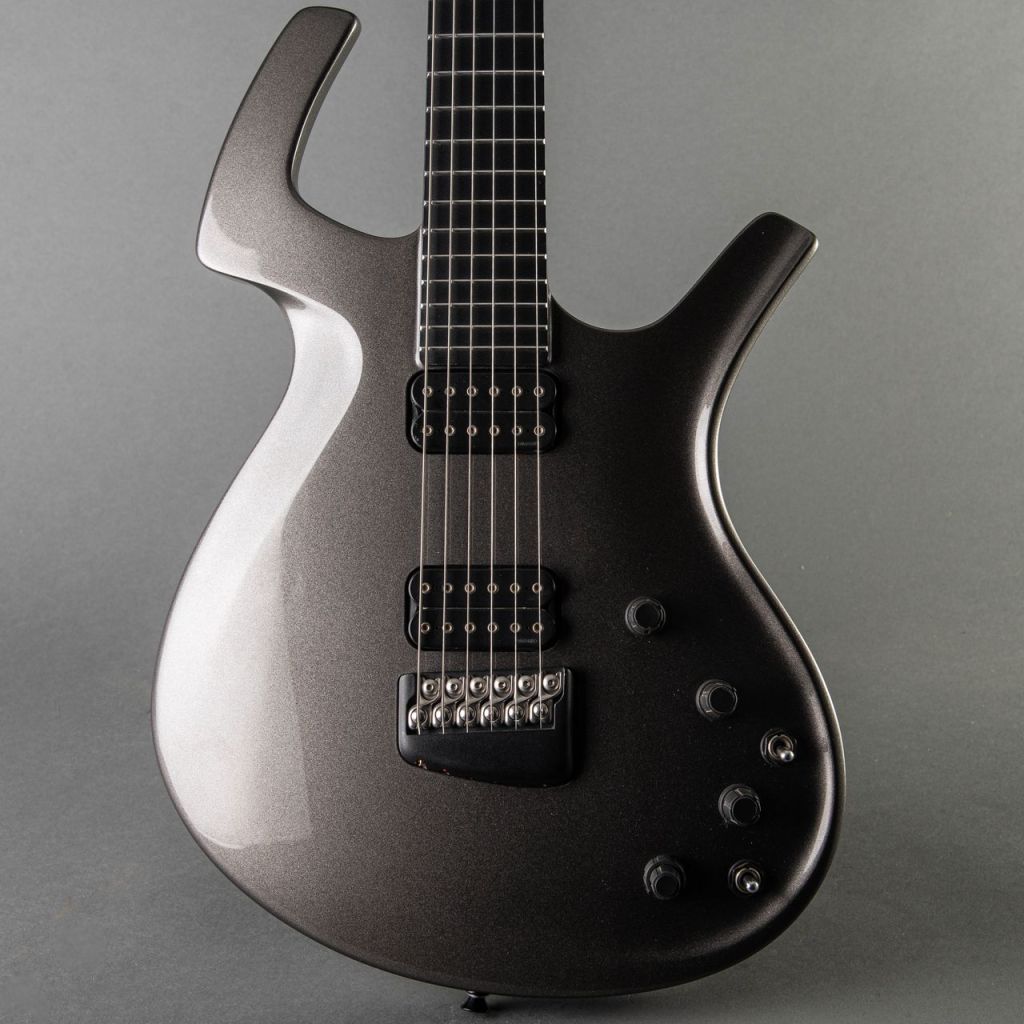
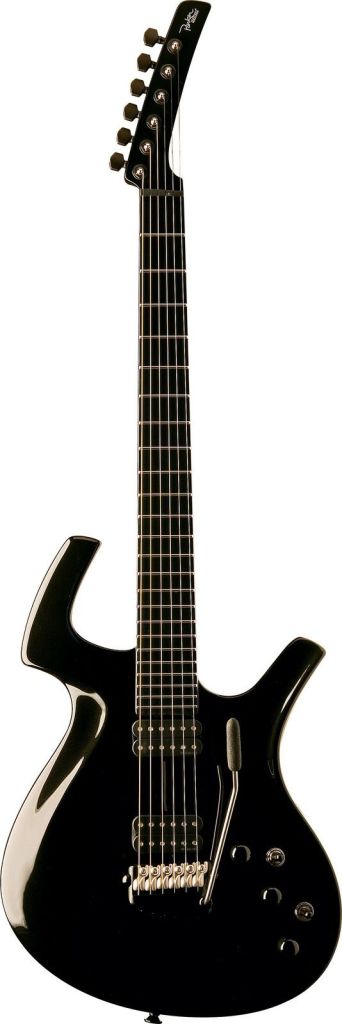
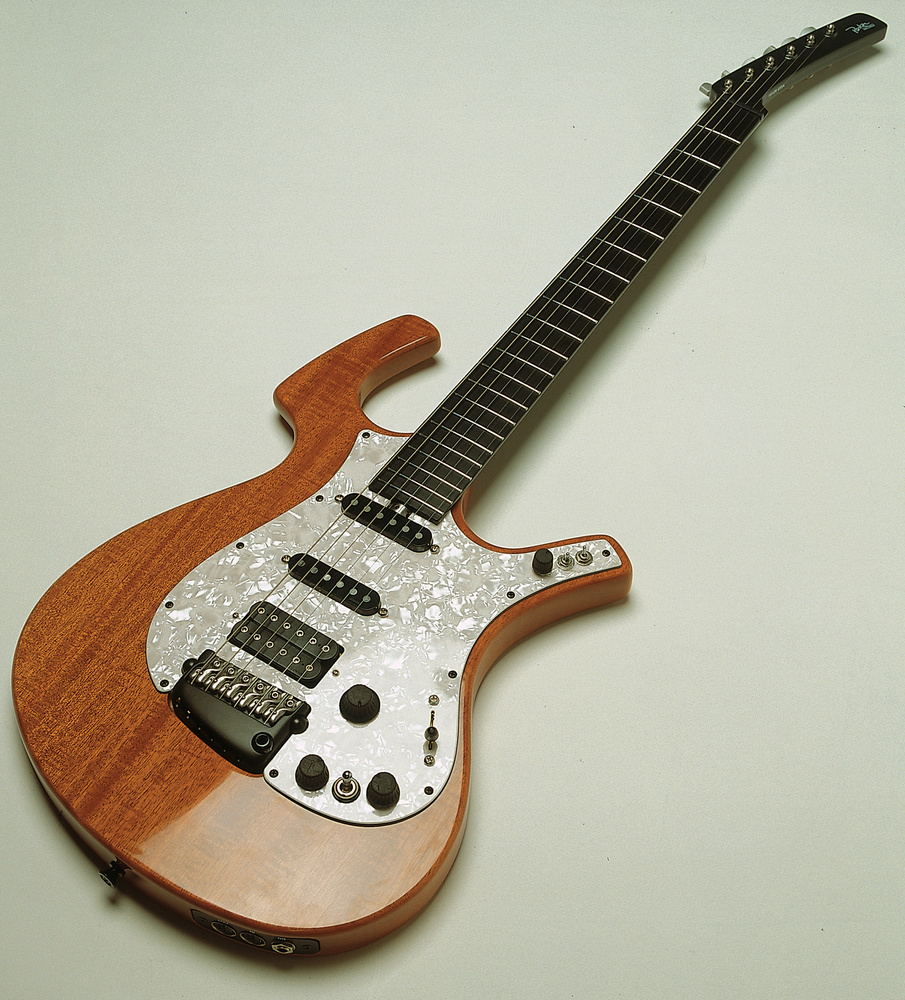
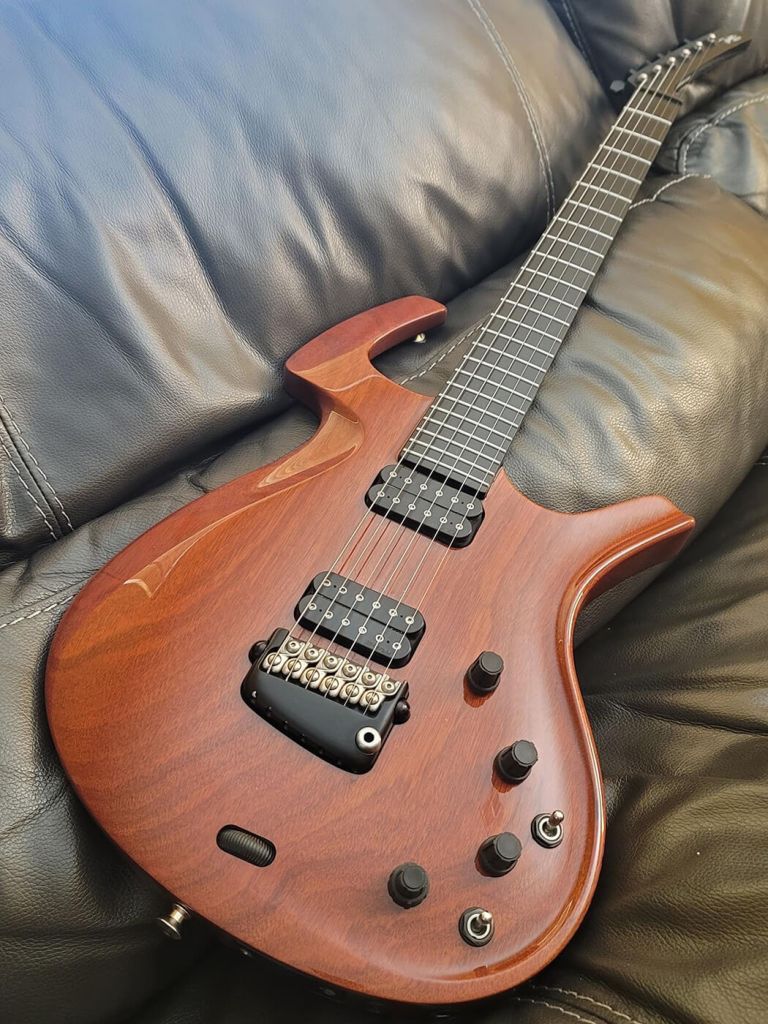
Parker Guitars, founded by Ken Parker in 1993 in Massachusetts, gained acclaim for its innovative and lightweight designs, particularly popular in the 90s. The brand was revolutionary, utilizing advanced materials like carbon fiber and unique electronics.
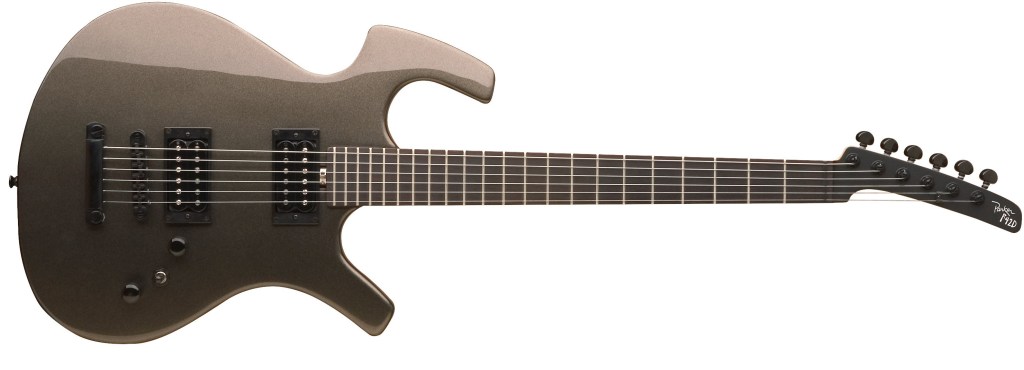
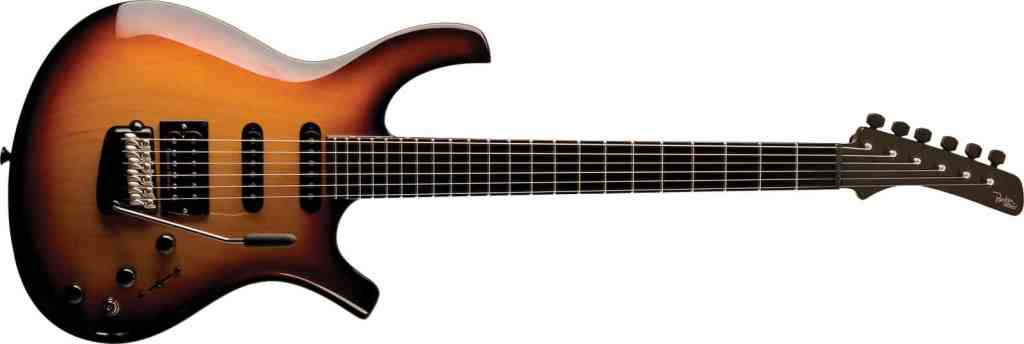
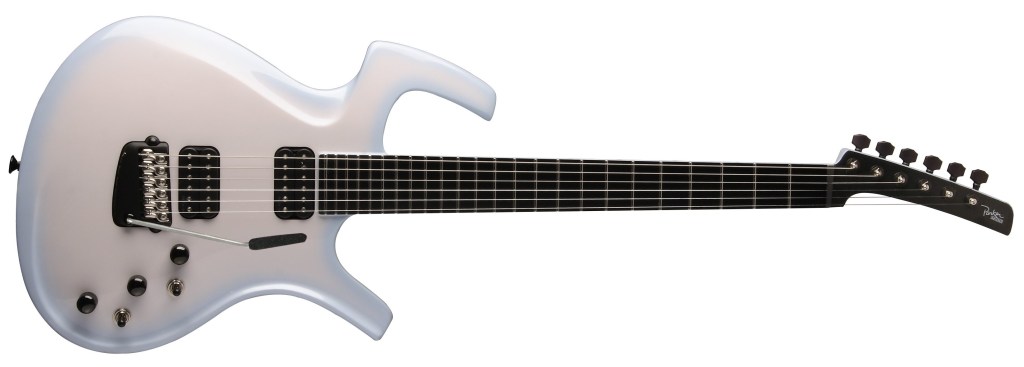
Iconic models include the Parker Fly and Parker NiteFly, which stood out for their ergonomic design and cutting-edge technology. Notable users included artists such as Adrian Belew and Vernon Reid. Despite their innovation, Parker Guitars faced financial difficulties in 2015 and underwent a change in ownership. Today, U.S. Music Corp. owns the brand. Parker’s legacy lies in its daring approach to risk and innovation, even if it didn’t always translate into commercial success.



Epilogue: The Legacy Lives On
These five guitar brands—Goya, Robin, Mosrite, Hamer, and Parker—each played a unique and influential role in the history of guitar craftsmanship. Goya’s Swedish artistry, Robin’s shredder appeal, Mosrite’s surf rock legacy, Hamer’s boutique innovation, and Parker’s futuristic designs all left an indelible mark on the music world. While their commercial journeys varied, with some facing financial and legal hurdles, their contributions continue to resonate with musicians and collectors alike. Remembering these brands not only honors their legacy but also celebrates the rich diversity and innovation that they brought to the guitar industry.


 oscaronguitars.com
Leave a reply to Oscar Colorado Cancel reply