
The Evolution of PRS Guitars
From Luxury to Accessibility
In the ever-evolving landscape of musical instruments, certain brands carve out their niche not just by the quality of their craftsmanship but also by their journey through the industry’s tough terrains. PRS Guitars stands as a beacon of such evolution. Starting as an emblem of luxury and exclusivity, PRS captured the hearts of musicians and collectors alike with their aesthetically pleasing designs and superior sound quality.
The Early Days
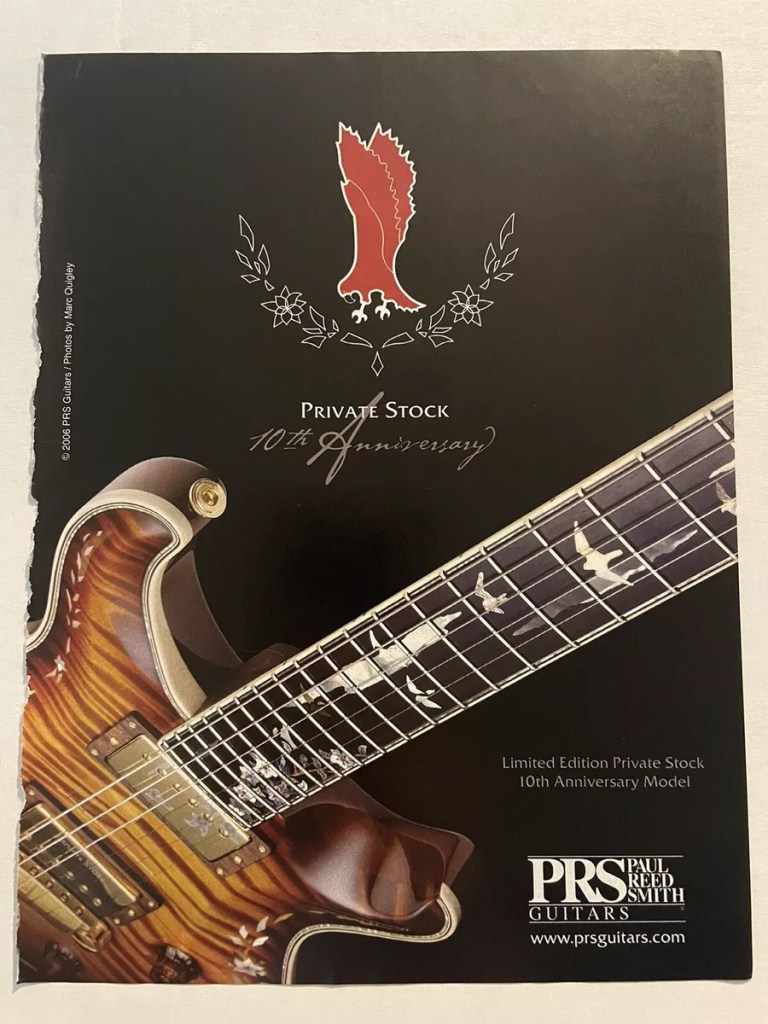
Years ago, PRS guitars were exclusive instruments that captivated everyone with their stunning looks, great sound, and excellent playability. However, they came with a steep price. In 2000, I acquired my first PRS—an American-made Custom 22. It quickly became my favorite guitar, although I always missed the bird inlays, opting instead for the half-moon inlays. This slight compromise was offset by its beautiful maple top, superb sound, and exceptional comfort. I don’t remember exactly how much I paid for it, but it was a substantial sum.
The Birth of the Santana SE
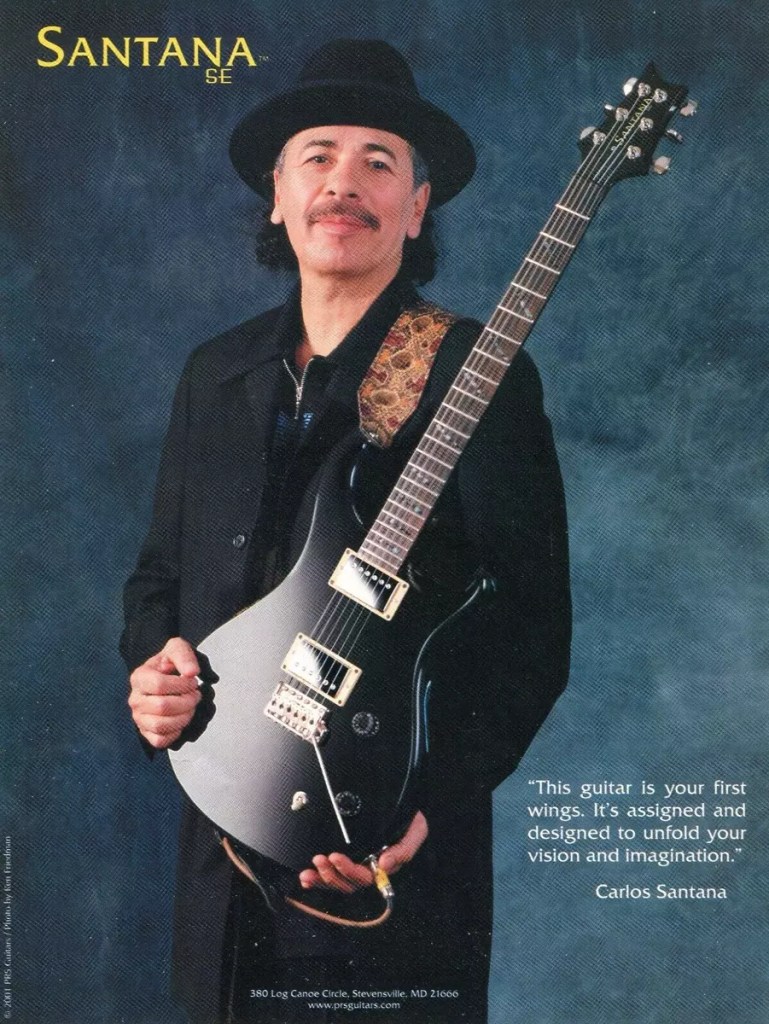
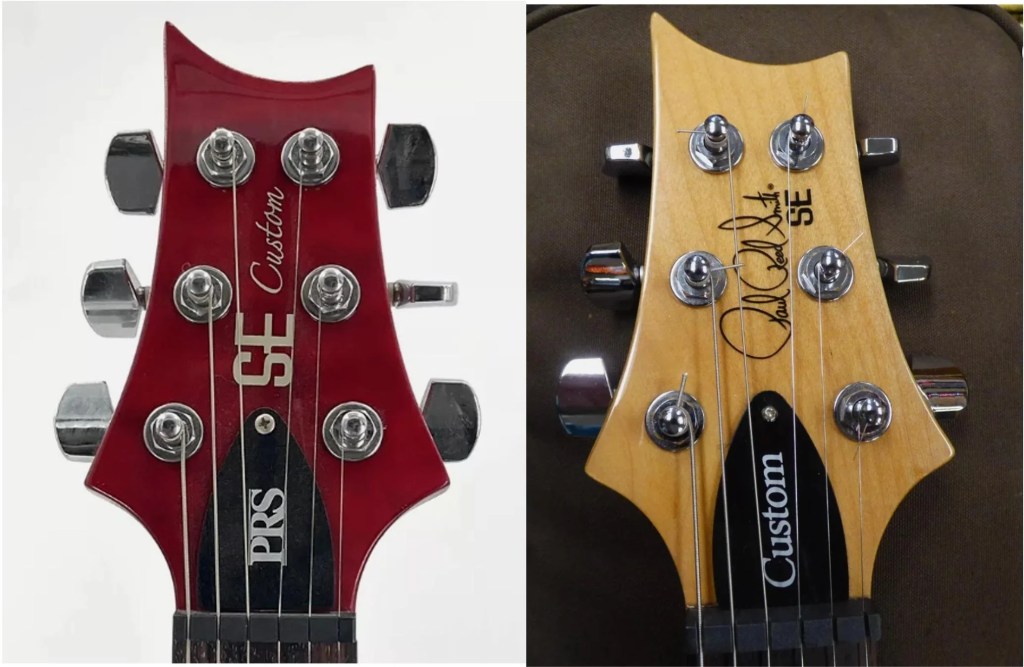
Not long after, in 2001, the Santana SE made its debut. Crafted in Korea, this model lacked the PRS branding on the front, with only a small mention on the back of the headstock. It was a more affordable version of Santana’s signature guitars, designed to bring his preferred style to a broader audience. As a Carlos Santana fan, the guitar’s affordability was a significant draw for me. The SE—allegedly standing for ‘Student Edition’—has outgrown its original designation. Nowadays, it seems like everyone at PRS prefers to forget the ‘Student Edition’ label, as the guitar lineup is much broader and not, by any means, aimed solely at students. Nevertheless, the birth of the Santana SE marked a pivotal moment in PRS’s history.
Expansion and Evolution
Growth into the Mainstream
The SE line did more than just evolve; it catapulted PRS to the major leagues of the guitar industry. I recently discussed lost or forgotten guitar brands on this blog, a conversation that highlights how many players have faded into obscurity. In contrast, PRS, once a small specialty luthier, ascended to the guitar Olympus, standing alongside venerable giants like Gibson and Fender—a no small feat. The transition from an elite brand to a mainstream powerhouse, without losing its prestigious aura, was significantly propelled by the SE line.

Partnerships and Production
A key strategic move was partnering with Asian manufacturers like Cor-Tek, who now produce the SE line. This collaboration has been crucial in maintaining high levels of craftsmanship while keeping prices affordable. For instance, the Indonesian-made PRS SE guitars, like the CE 24 Standard Satin priced at $499, offer very good quality at a fraction of the cost—almost half of what I paid for my original Santana SE after adjusting for inflation.
Industry-Wide Impact
Setting a New Standard
PRS’s strategy not only benefited them but also shifted the entire industry. Manufacturing in the Far East wasn’t new, but PRS managed to elevate the quality of instruments being produced. This shift forced other brands like Squier to improve their offerings, moving from low-grade alternatives to legitimate options for both novices and seasoned players—mirroring what Epiphone has always been to Gibson.
A Brand with Personality
Finding a Unique Voice
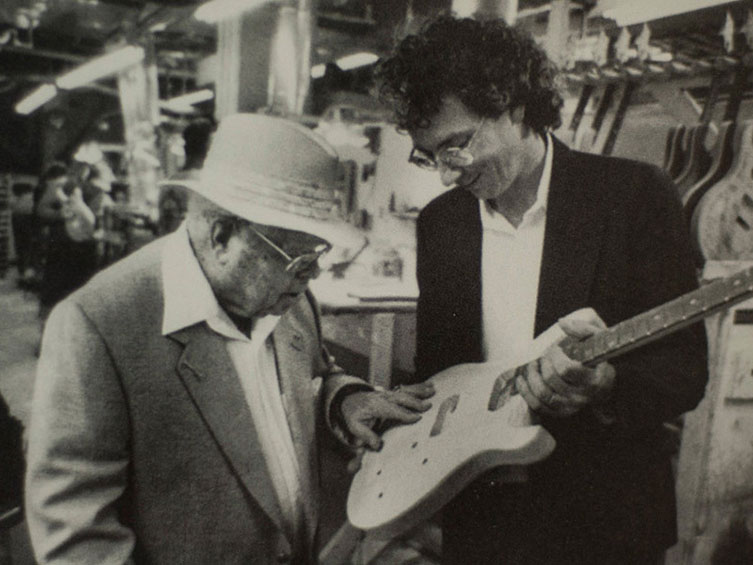
I know that some people complain about PRS guitars, saying that they lack personality or a distinctive tone. I respectfully disagree. The search for a unique personality has been in PRS’s DNA since day one. From the choice of woods for each guitar to the construction process and Paul’s hands-on involvement in developing pickups, there’s a keen understanding of how the multitude of variables involved affect the tone. Over the years, the brand has experimented extensively to find its own tonal voice. Appreciating a brand is also a subjective experience, often influenced more by individual expectations than by what the brand actually delivers.
Competing with Giants
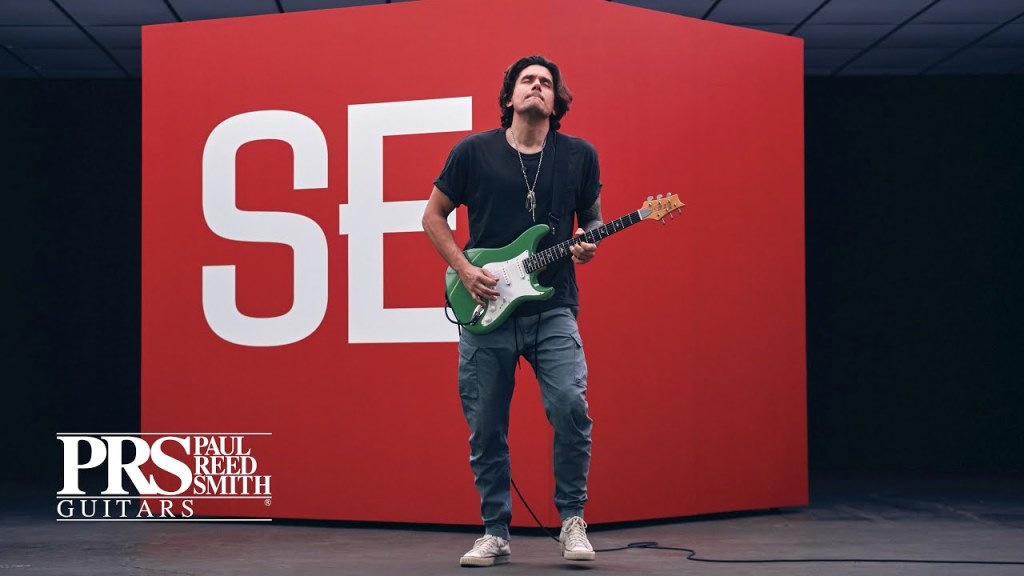
In the past, PRS primarily leaned toward the Gibson humbucking tone. However, PRS is moving into more direct competition with Fender, shifting from a ‘me too’ attitude to a ‘let’s rumble’ mindset. The PRS Silver Sky serves as an alternative to the classic bolt-on, triple single-coil guitar, clearly echoing the Stratocaster, while the brand-new PRE SE NF3 lineup targets the market that craves crystalline tones with a distinctive sound that’s no mere Fender clone but that is, at the same time capable of humbucker tones just by adjusting the volume and tone settings. One particularly interesting move by PRS, which neither Fender nor Gibson offers, is the ability to produce brighter, treblier sounds and the use of coil-split switches to create a truly versatile tonal palette.
Challenges Along the Way
Navigating Obstacles
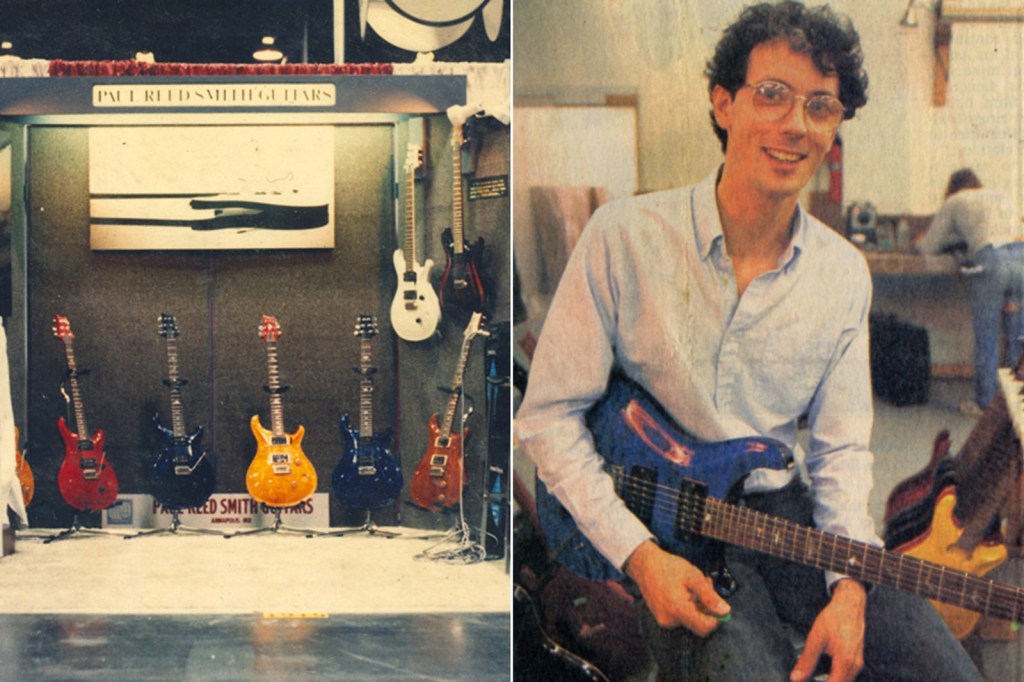
Things have not been easy for Paul Reed Smith. PRS Guitars has faced numerous challenges, including establishing credibility in a market dominated by giants like Fender and Gibson. A significant legal battle with Gibson over the Singlecut model threatened the brand but ultimately ended in PRS’s favor, reinforcing its position in the market. As the company expanded, particularly with the introduction of the SE line, maintaining quality standards became a major challenge. Additionally, adapting to evolving market demands has stretched both product offerings and financial sustainability.
Looking Forward
Continuing the Legacy
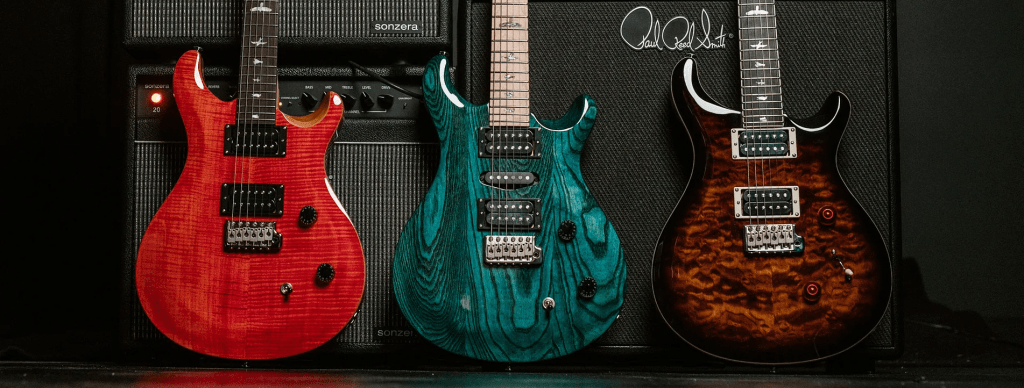
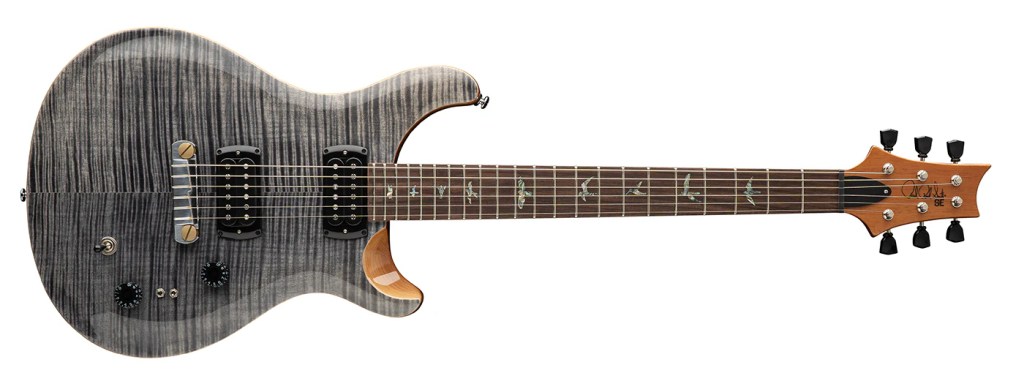
Today, the PRS SE lineup has expanded significantly, offering a wide range of models that cater to every player. These guitars provide quality craftsmanship without the high cost of American-made instruments, with prices ranging from approximately $500 USD to $1,600 USD. Beyond that price range, the U.S.-made S2 lineup begins. Notable models in the SE series include the affordable yet surprisingly capable SE CE entry-level lineup and the recent PRS SE NF3 for a fresh take on the S-Style that is, at the same time, different from the Silver Sky SE, influenced by John Mayer’s specifications. The Standard and Custom 24 are beautiful and incredibly versatile mid-tier instruments, while the DGT SE (David Grissom Trem), featuring custom pickups, is more oriented to aggressive rock and heavier blues styles. The Mark Tremonti SE delivers a powerful sound ideal for heavy metal and aggressive rock, while the McCarty models offer vintage-inspired aesthetics and tones that appeal to traditionalists. The SE line also includes sophisticated models like the SE Hollowbody II, which combines the warmth of a hollowbody with the strength of a solid body, and the SE Paul’s Guitar, which reflects features from Paul Reed Smith’s own instrument. And right at the top of the SE, and flirting with S2 territories and price, is the pricier SE Custo 24 semi-hollow Piezo. This variety highlights PRS’s commitment to offering quality and innovation across different price ranges, making it possible for both newcomers and seasoned players to find a guitar that suits their needs.
PRS SE vs. Epiphone and Squier
The SE series is PRS’s affordable entry-level line, yet it consistently surpasses budget alternatives like Epiphone and Squier. While PRS SE guitars come at a higher price point—especially compared to the many sub-$500 models from Squier and Epiphone—the difference in quality, craftsmanship, and overall performance is undeniable, making them a worthwhile investment for discerning players.
As someone who owns an Epiphone Les Paul Custom and a Squier 40th Anniversary Stratocaster, I can confidently say the difference is clear. The polished fretwork on the PRS SE is miles ahead of what you find on even these higher-end budget models. For example, the Squier’s hardware feels noticeably inferior, and its Indian Laurel fretboard doesn’t compare to the rosewood used on most PRS SE guitars. While the Epiphone Les Paul Custom is closer in quality to the PRS SE DGT or the PRS SE Custom 24, the standard Epiphone Les Paul models are subpar in nearly every category, further highlighting the superiority of the PRS SE line.
Criticism of PRS SE Guitars
While the PRS SE line is widely praised for offering high-quality guitars at affordable prices, it hasn’t been without criticism. Some players have reported hardware issues, such as unreliable pickup selectors and tuning instability, often linked to the use of budget-friendly components. Fretwork concerns, including fret sprout in varying humidity conditions, have also been mentioned. Additionally, aesthetic details—like the plastic-like appearance of fretboard inlays and occasional inconsistencies in finishes—have drawn some critique. Ultimately, while SE models deliver excellent value, they don’t fully replicate the premium feel and tonal richness of American-made PRS Core models, which may leave more discerning players wanting more.
Conclusion
In the end, the PRS SE series has shown through the years that quality and affordability don’t have to be mutually exclusive. While PRS has faced its fair share of challenges, from legal battles to maintaining high standards in a competitive market, the brand has managed to carve out a solid reputation. The SE series, in particular, offers a variety of models that cater to different tastes and styles, all while keeping costs within reach for a wider audience. It’s clear that PRS is committed to innovation and quality, but whether the SE line is the perfect fit for every player ultimately depends on individual preferences. Regardless, PRS continues to be a significant player in the guitar world, offering instruments that reflect both the brand’s heritage and its forward-thinking approach.


 oscaronguitars.com
Leave a reply to Epiphone Les Paul Custom Ebony: A Shiny Tribute to Gibson’s Legacy – OscarOnGuitars.com Cancel reply